
.webp)







How the University of Iowa Transformed Campus Safety with an LPR Perimeter
The University of Iowa improved campus safety and response times by deploying license plate recognition cameras to create a virtual perimeter, enabling real-time visibility, faster investigations, and stronger collaboration with law enforcement.

Overview
The University of Iowa’s Assistant Vice President of Campus Safety, Mark Bullock, was seeking new security measures to enable his team to more efficiently protect a large, complex campus.
Set in Iowa City, the university spans more than 1,900 acres and is closely integrated with the surrounding community. With more than 31,000 students and no clearly defined campus boundaries, maintaining safety presents ongoing challenges.
The Challenge
Managing safety across an open, high-traffic campus
Despite having a robust video camera system and dispatch center, the Campus Safety team faced growing concerns about the rise in violent crime near campus.
Their existing approach required:
- Reviewing large amounts of video footage
- Responding after incidents occurred
- Managing safety across a large, open environment
Bullock noted that a more effective solution would allow the team to respond in real time rather than relying on after-the-fact investigation.
The idea of using LPR technology had been discussed for some time. Conversations with peer institutions ultimately influenced the decision to explore a more proactive approach.
The Solution
Creating a virtual perimeter across campus
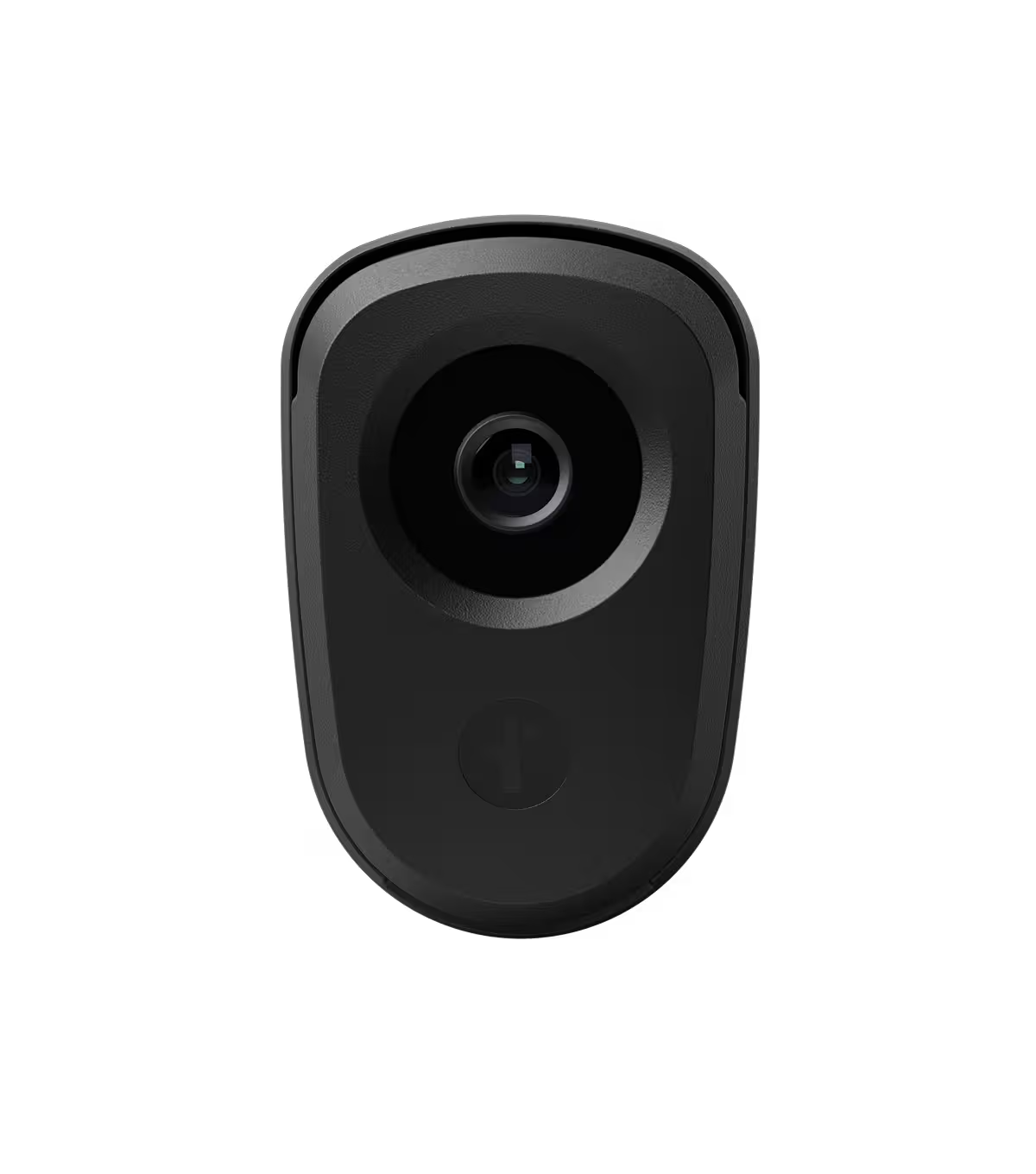
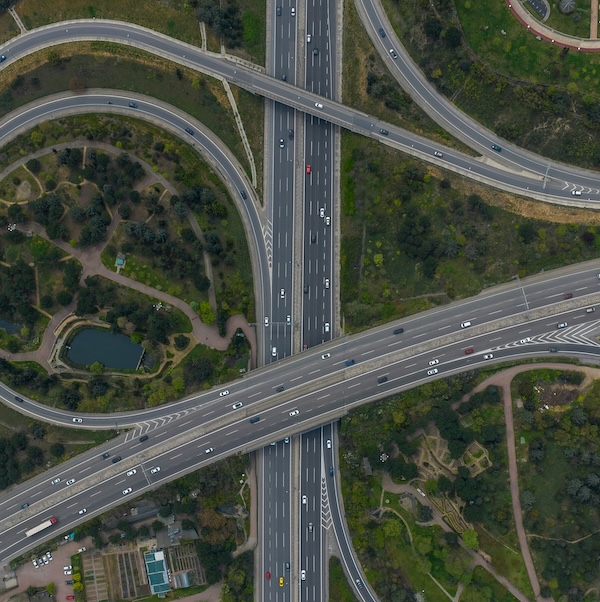
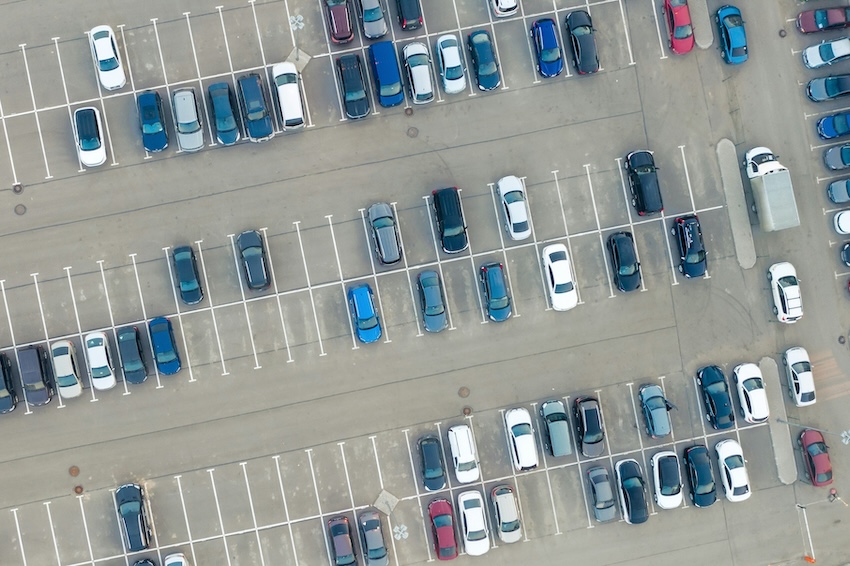
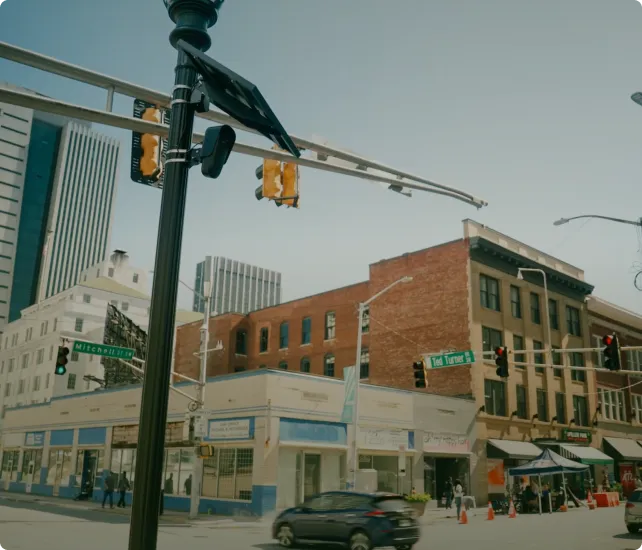
The University of Iowa deployed 28 LPR cameras to create a virtual perimeter, ensuring coverage of vehicles entering and exiting campus.
This allowed the team to:
- Monitor vehicle movement across campus
- Connect different areas of the university
- Gain real-time visibility into activity
The goal was to better connect two sections of campus separated by a river and improve overall situational awareness.
The Results
Improved safety, collaboration, and operational efficiency
The implementation of LPR technology delivered immediate value across several areas:
- Enhanced campus safety
- Improved collaboration with other agencies
- Faster and more effective investigations
- Greater operational efficiency
More rapid response to student welfare issues
With access to real-time data and alerts, the Campus Safety team can respond more quickly to potential threats.
The campus hospital is a major source of calls for service, particularly those involving student mental health.
In one instance, a person driving to the hospital while expressing dangerous intentions was identified and located quickly using vehicle data. This allowed the team to intervene and ensure the individual received appropriate care.
Bullock noted:
“One thing that’s been nice about Flock is that it does some of the work for us. Our response and our efforts can be a little bit more precise, effective and efficient.”
Expanding Collaboration
Strengthening partnerships with law enforcement and other universities
The system has enabled broader collaboration beyond campus boundaries.
In one case:
- A vehicle burglary occurred on campus
- The suspect vehicle was identified using LPR data
- The investigation extended over 100 miles to Altoona, Iowa
- Local law enforcement was able to apprehend the suspect
As Lieutenant Travis Tyrrell noted:
“We’ve built some pretty incredible relationships just based on how valuable our investigations team can be to surrounding agencies, and even at the state level.”
Bullock added that the network of cameras across college towns allows the university to identify connections between incidents across different locations.
Addressing Privacy Concerns
Built-in safeguards to protect students and staff
Initial concerns about privacy were addressed quickly.
The system includes:
- A 7-day data retention policy
- No selling or sharing of data
- A focus on vehicles, not individuals
Bullock explained:
“The system doesn’t care who’s driving the car. They just care about the car and the license plate… it seemed that the system itself had a lot of protections in place.”
Overall Impact
The University of Iowa’s Campus Safety team considers the system a valuable investment for both campus and community safety.
It has:
- Improved visibility into campus activity
- Strengthened partnerships with law enforcement
- Enabled faster and more effective response
Bullock summarized the impact:
“It’s nice to have something that can be both a resource to the campus, but also be a resource to our local law enforcement community in trying to address these emerging issues with crime that seems to be getting closer to campus over time.”
He concluded:
“I absolutely think we’re safer than before we had it, because we know more.”
Conclusion
A more connected approach to campus safety
By creating a virtual perimeter and leveraging real-time vehicle data, the University of Iowa has transformed how it approaches campus safety.
The result is a more proactive, collaborative, and informed strategy that protects both the university and the surrounding community.


Protect What Matters Most.
Discover how communities across the country are using Flock to reduce crime and build safer neighborhoods.