
.webp)





.avif)


Police Drones: How Agencies Use Them To Respond Faster and More Safely
Learn how police drones improve response times, enhance officer safety, and support evidence collection while building stronger community trust.

In emergencies—from active shooters to burglaries to missing-child alerts—fast police response times can mean the difference between a safe outcome and tragedy. But as police staffing shortages continue, it may be difficult for responding officers to reach scenes quickly enough.
Police drones play an important role for resource-strapped law enforcement agencies, improving response times, providing officers with a valuable aerial perspective, and reducing costs.
What are police drones?
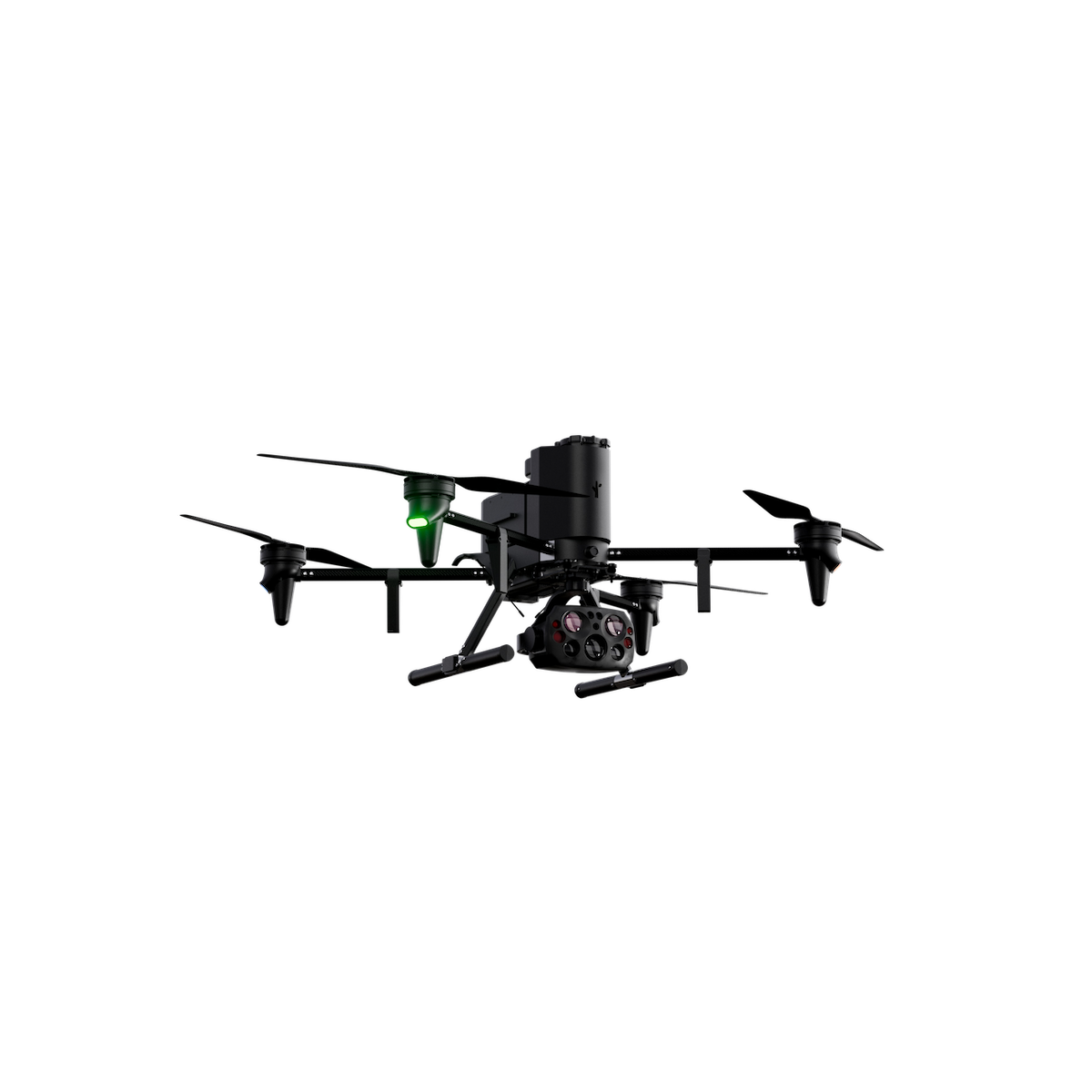
Law enforcement drones, also called Unmanned Aerial Vehicles (UAVs), are small aircraft that help officers find missing people, make more informed response decisions, and stay safe on the job.
Similar to consumer drones, these aircraft are equipped with cameras. But police drones are different from consumer-grade drones flown by hobbyists because:
- They’re designed to handle longer flights.
- They’re secure and compliant, protecting the data they capture.
- They have thermal sensors, optical zoom cameras, and night vision.
- Their rugged design can withstand weather, wind, and fluctuating temperatures.
- They can integrate with 911 systems, CAD, and license plate reader systems.
These features complement traditional police patrol and response methods, making drones particularly helpful for understaffed agencies.
What might police drone use look like in practice? The Chula Vista Police Department pioneered a Drone as a First Responder (DFR) program in 2018. Officers deploy drones to emergency calls and view a live video feed before arriving on scene, allowing them to plan the best operational response.
The average drone response time was 172 seconds—well below the average ground response time. The program also showed that drones could clear around 20% of calls without sending ground units, keeping officers available for higher-priority calls.
Key benefits of using drones in law enforcement
Modern police departments are turning to drones because they shrink the distance between a 911 call and an informed response. When officers know what they’re walking into before they arrive, they can move faster, stay out of harm’s way, lower operating costs, and improve evidence collection.
Faster emergency response
Drones often launch from docking stations located around the city. The drones can charge inside these stations until a call comes in. Flock drones arrive fast, with an average response time of 86 seconds. Once the drone arrives, it starts streaming video immediately, giving officers live insight into what’s happening on the scene.
With drone support, officers get the context they need to intervene early, resolve false alarms promptly, and reach suspects before they flee. For local businesses dealing with theft or after-hours break-ins, that speed limits property damage and improves protection at all hours.
Improved officer safety
UAVs serve as an extra set of eyes for police officers en route to an incident, giving them an opportunity to plan more strategic approaches to potentially dangerous situations. They can also be launched on scene by trained operators, providing visibility and protection in critical situations like:
- Foot pursuits
- Building searches
- Domestic disputes
- Wilderness or water searches
- Hazardous material incidents
- Armed or barricaded suspects
- Active shooter perimeter support
Reduced operational costs
Drones are much more cost-effective than helicopters or airplanes, or than sending multiple officers to a scene. In big cities like Los Angeles, police helicopters can cost $3,000 for every hour of flight. Helicopters are also not always available or can take time to deploy, and it’s hard to justify using them for routine calls.
Drones make efficient use of agency budgets and provide a wide range of aerial support. They’re also readily available to small police departments, not just those in big cities, making them accessible and affordable.
Comprehensive evidence collection
Drones collect high-resolution photos and videos from crime scenes, traffic accidents, and natural disasters. This data is stored securely until it’s needed for an investigation or a prosecution
Often, drone footage is better than officer bodycam footage because it captures a broader perspective with more context. It also typically records a clear timeline of the incident.
How law enforcement uses drones to respond faster
Agencies that rely on drones follow a structured playbook built for speed. The goal is simple: detect the call and either launch the drone immediately, or equip patrol officers to quickly deploy the drones on scene.
Typical rapid response workflow
- Alert and launch: When a 911 call comes in, a drone is often dispatched first to assess the scene. A trained operator receives the alert and launches the drone for immediate aerial context, which helps determine whether or not a patrol unit needs to be sent.
- Drone arrives on-scene: After launch, the drone operator flies to the coordinates your CAD provides. Alternatively, responding ground units can deploy drones on site.
- Live-stream video begins: The drone starts live-streaming video and thermal imaging and provides additional data. Officers get the context they need about the suspects, victims, and what’s happening at the scene before they arrive in person, or in areas they cannot access. Having this information helps them make smarter decisions and resolve issues more quickly.
Dispatch, drone pilots, crime analysts, and patrol supervisors all come together to make this response happen. The speedy launch and aerial perspective are especially valuable in situations like missing children calls, burglaries in progress, or panic alarms from schools.
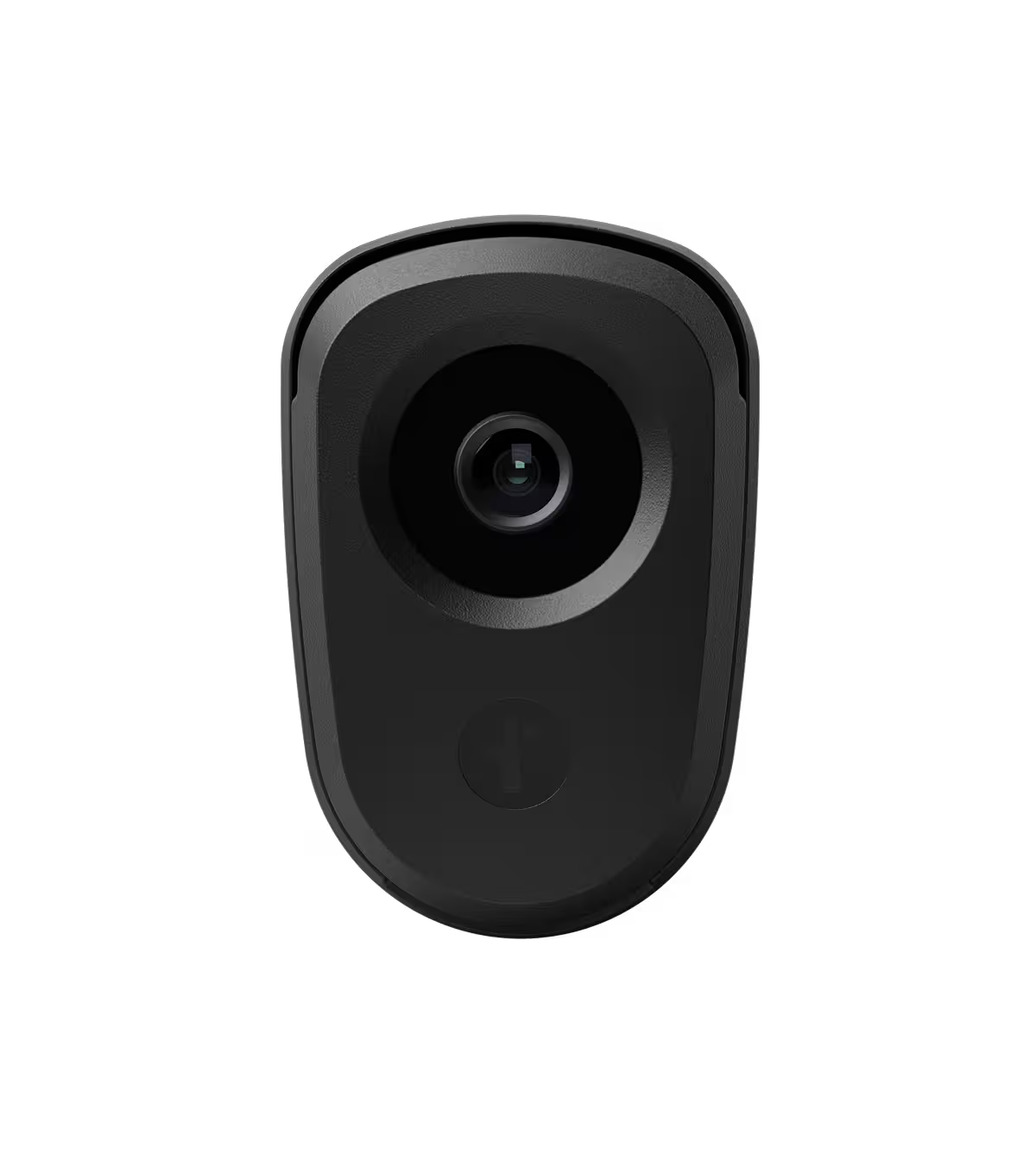
Another example of how this might work is with license plate reader (LPR) camera-triggered launches. Imagine the LPR camera picks up the plate of a stolen vehicle. With Flock Safety LPR cameras, the device immediately sends the GPS coordinates and an image of the vehicle to the Flock DFR system.
With one click, the drone operator can deploy the drone to that location. The operator can then cross-reference the LPR image to confirm the vehicle, and the drone launches in mere seconds.
Technologies enabling faster response
Police drones are equipped with sophisticated technology that accelerates launch, extends range, and ties drones into the safety systems already operating across a community. These technologies work together to get aircraft in the air quickly and deliver reliable intelligence to responding units:
- Automated launch systems: These systems deploy drones without human intervention, allowing them to launch within seconds rather than several minutes.
- BVLOS-enabling systems: Beyond visual line of sight (BVLOS) refers to operating an unmanned aircraft that you cannot see. Under federal regulations, you’re allowed to operate a drone BVLOS when using 3D radar. 3D radar lets police drones fly farther afield, covering more ground while remaining compliant.
- Integrations with existing systems: Drones should be able to connect with the other infrastructure you already use, like license plate readers, security cameras, alarm systems, and gunshot detection systems. Businesses with Flock Safety products can even share real-time alerts with police agencies to facilitate even faster responses to commercial property incidents.
Common missions for drones in policing
Agencies rely on drones for missions where speed, visibility, and efficient resource use matter most:
Search and rescue operations
Drones equipped with thermal cameras can detect heat signatures in missing-person cases. They can cover the same area in minutes that a ground search team would take hours to comb, especially in densely wooded areas. Drones can also scout ahead to give officers an idea of potential hazards before volunteers push in.
Vehicle-related crimes
From the air, drones are good at locating stolen vehicles, responding to hit-and-runs, and supporting pursuits. Police drones are particularly beneficial when integrated with license plate reader camera systems. Say a stolen vehicle passes a Flock camera owned by a local business. The camera will send an alert to a drone, which launches within seconds, locates the vehicle, and sends a photo of the vehicle and its geolocation to the drone operator.
Retail/organized theft response
Organized retail crime (ORC) is becoming more frequent and more violent. A recent study found an 18% increase in the average number of shoplifting incidents between 2023 and 2024. Threats or acts of violence during shoplifting incidents also increased by 17%.
Drones offer a quick response to theft reports. Their aerial perspective makes it easier to locate suspects who might be fleeing across parking lots, side streets, or behind buildings. This footage can also be shared with retail security teams to improve coordination across sites and agencies.
Fire support
Traditional police calls aren’t the only areas where drones can help. Drones are often deployed to fires, as well. For example, depending on what’s needed for a particular mission, FDNY might use a UAV to track the direction a fire is moving, identify firefighter escape routes, or give the incident commander a 360-degree view of the situation. Similar to police calls, drones often arrive before firefighters, providing a helpful view of the best approach paths and improving firefighter safety and situational awareness.
Overcoming challenges and privacy concerns with police drones
If you’re looking to launch a drone program, you might have trouble building community trust or internal buy-in for police drones. Take a look at these potential concerns and the reality of each situation:
- Concern: Drones are intrusive.
- Reality: Public safety drones respond only to well-defined incidents and must follow specific policies. Drones only launch when a documented call comes in or a defined sensor alert triggers. And by doing so, they reduce the need for unnecessary officer presence.
- Concern: Drone programs take jobs from police officers.
- Reality: Drone programs are intended to speed up response times and help with staffing shortages. They don’t replace humans or make decisions, and are deployed along with (not in place of) officers.
- Concern: Drones aren’t regulated.
- Reality: Drones are subject to FAA policies and regulations. Each drone flight is well-documented in a public video log, with metadata for all video footage. Drone operators also must be certified to fly a small unmanned aircraft system (sUAS).
- Concern: Launching a drone program is overwhelming due to the training, tech, and policy involved.
- Reality: Today’s solutions—like Flock DFR—come with docks, software, services, and white-glove support to simplify adoption. You don’t need deep aviation expertise. Flock will walk you through the rest, from waivers to installation to training.
Implementation tips for drones in law enforcement
Agencies that stand up successful drone programs focus on clear policies, skilled operators, and the right technology stack. The guidance below helps law enforcement agencies build effective programs that scale and deliver reliable results.
Start with regulatory compliance
Flying drones isn’t as simple as purchasing them and getting them in the air. Police in the U.S. must maintain compliance with one of two regulatory paths: FAA Part 107 or the Certificate of Authorization (COA), which allows you to run more advanced missions, like flying at night or over people.
You’ll need to keep a human in the loop to oversee your drones and make decisions. Your drones can be automated, but not fully autonomous. And there will be ongoing paperwork around airspace coordination, compliance updates, and waiver applications—all areas where Flock Safety provides turnkey support.
Get training and certification
While Part 107 certification is required for drone operators, modern DFR systems (including Flock’s) are designed to let officers or trained civilian staff safely pilot drones.
In training, pilots will learn:
- SOP adoption
- Technical flight basics
- Emergency procedures
- How to handle evidence
- Integration with dispatch
With Flock, you get SOP templates and other training resources to help equip operators with the skills and knowledge they need.
Use robust data management and security
It’s a common civilian fear that drones will collect personal data or handle footage inappropriately. But drone programs have strong, clear privacy guardrails built in:
- Clear data retention timelines
- Encrypted storage (cloud or on-premises)
- Audit trails for all logins, accesses, and exports
- Limits on data collection (no facial recognition, no personally identifiable information, etc.)
Flock’s DFR platform also connects directly to the agency’s existing Flock evidence ecosystem. That integration preserves chain of custody, carries over metadata, and keeps drone footage organized alongside other case assets so investigators can move from footage to evidence review without extra steps.
Find funding and budget strategies
Finally, drone programs are significantly more affordable than police helicopters. They also increase ROI by arriving at the scene more quickly and reducing the need for unnecessary officer dispatches. Many police departments fund drone programs via:
- Federal grants (DOJ, DHS)
- State-level appropriations
- Private or business partnerships
- Asset forfeiture
Flock DFR utilizes a subscription-based model. Hardware, docks, software, upgrades, and services are all bundled together. When you pay for everything together, your costs for each budget cycle are predictable.
Building a safer community with drones and law enforcement
When a police drone program is structured effectively, it helps create a safer community. Faster response times, heightened officer safety, and better evidence collection are just a few of the benefits your agency will see. And these also extend to businesses that rely on law enforcement for security support.
Explore how Flock Safety’s drones can help you stay on top of crime in your community: Book a demo today.


Protect What Matters Most.
Discover how communities across the country are using Flock to reduce crime and build safer neighborhoods.