
.webp)








Are Flock Products Discriminatory?
Flock’s License Plate Recognition technology is built to reduce bias by focusing only on crime-linked vehicles, not people, helping law enforcement replace broad, discretionary stops with precise, data-driven responses. By limiting unnecessary interactions and supporting measurable public safety outcomes, Flock aims to advance both safety and equity together.

Are Flock Products Discriminatory?
The short answer is no.
Flock’s public safety technology is not discriminatory. In fact, it is designed to reduce bias, limit unnecessary police interactions, and make public safety more equitable.
But this question deserves more than a one-word response. It deserves context, transparency, and facts.
The Concern: Technology and Bias
It’s understandable why people ask whether public safety technology could be discriminatory. Historically, policing in America has included patterns of disproportionate stops and harmful interactions with Black and Brown communities. Any new tool used in law enforcement must be examined carefully. That’s exactly why Flock built its technology the way we did.
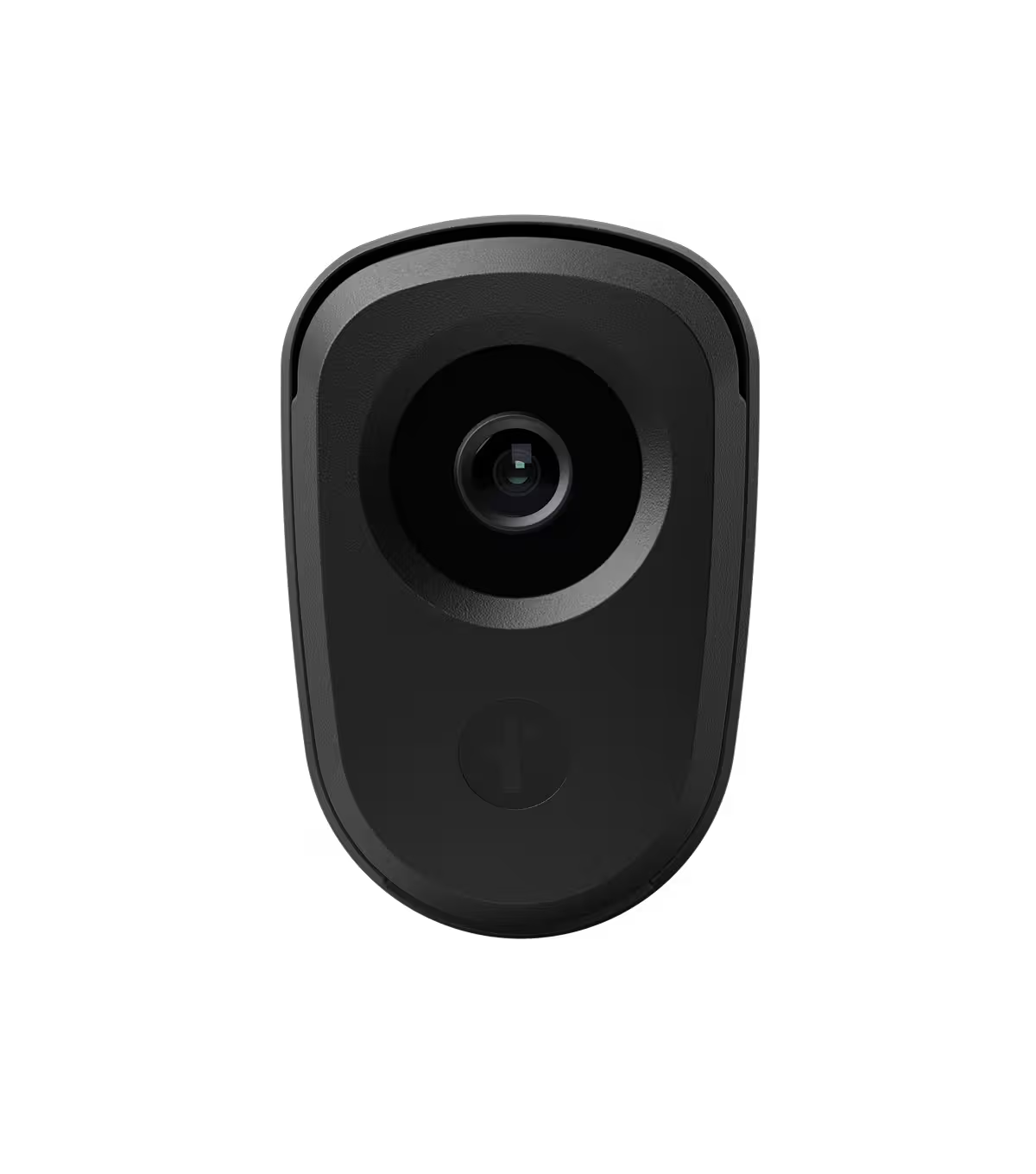
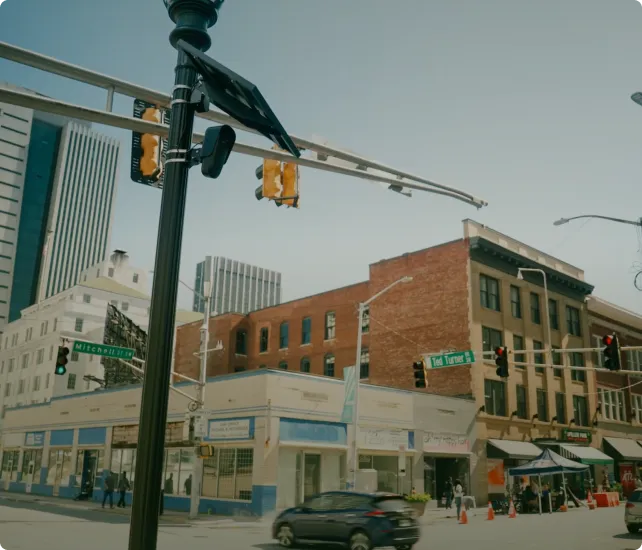
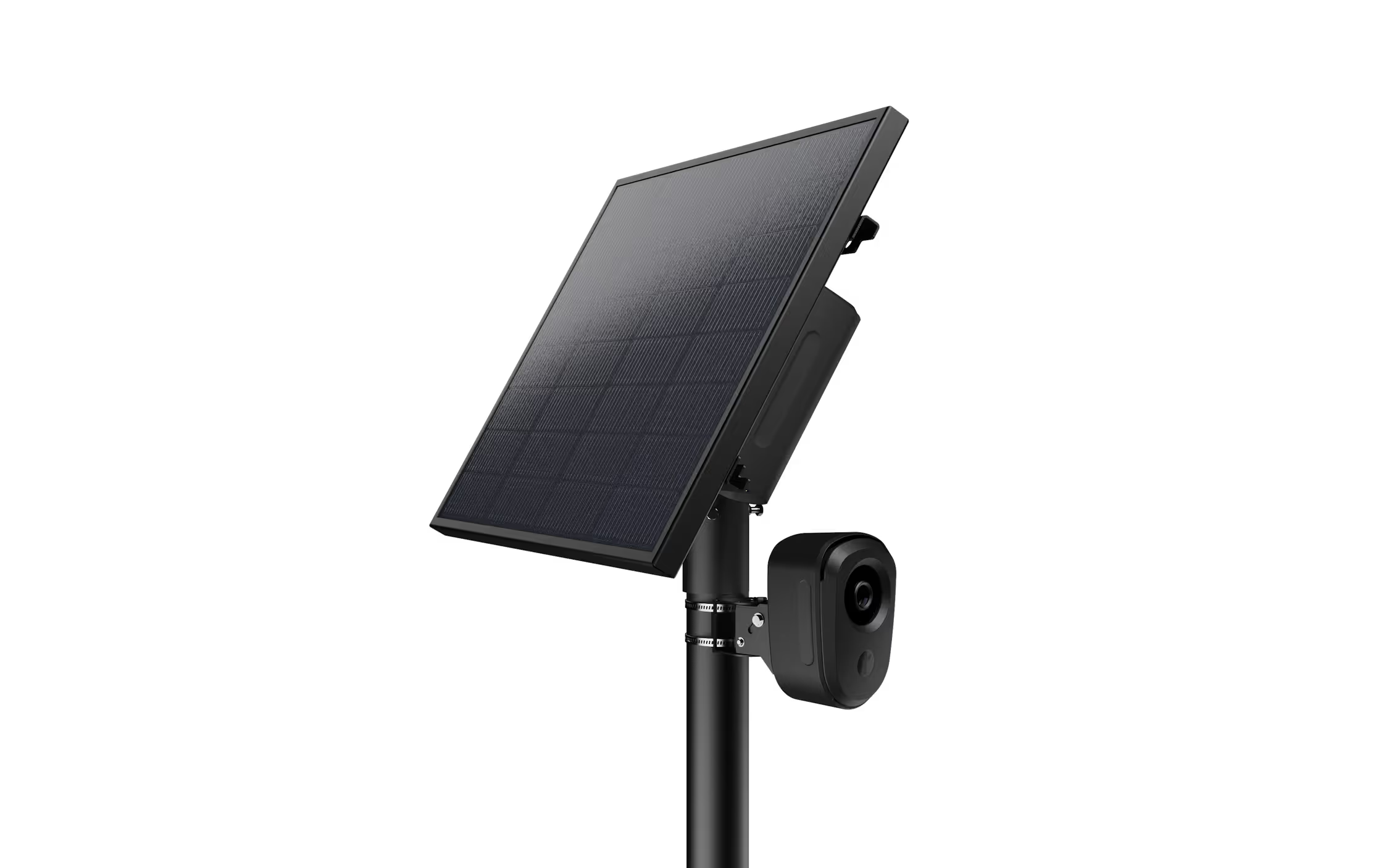
Flock License Plate Recognition (LPR) cameras are designed to detect vehicles, not people. They do not use facial recognition. They do not collect demographic information. They do not identify race, gender, or ethnicity. In fact, even if a person walks in front of an LPR camera, a detective on the back end cannot search for or find that person in the data. LPRs capture objective vehicle information, such as license plate number, make, model, and color, and only generate alerts when a vehicle is associated with a reported crime.
This design is intentional. It removes subjective judgment from the equation.
The “Old Way” of Policing vs. Precision Policing
For decades, policing often relied heavily on eyewitness descriptions.
An officer might hear:
“We’re looking for a white Ford.”
“The suspect was driving a blue Jeep.”
What happened next?
Officers would stop every vehicle matching that general description in the area. That meant multiple drivers, often entirely innocent, were pulled over and had unwelcome interactions with law enforcement simply because their car looked similar. Those stops could lead to frustration, fear, and unnecessary escalation. And historically, those broad stop practices have disproportionately affected communities of color.
This is exactly the kind of dynamic that creates distrust.
Flock changes that.
Instead of stopping every white Ford or blue Jeep in a radius, officers receive alerts only when a specific license plate associated with a reported crime is detected. Not every vehicle of a certain color. Not every driver in a neighborhood. Just the one vehicle that matches the reported plate. That’s precision policing. It reduces unnecessary stops. It reduces guesswork. It reduces broad, discretionary sweeps. And that reduction in discretion helps reduce bias.
Do community leaders and activists support Flock technology in their neighborhoods?
The Historic Oakland Branch of the NAACP recently expressed strong support for the continued and expanded use of Flock’s LPR cameras in Oakland. In a letter to city leaders, President Cynthia Adams wrote:
“In a moment when our communities are demanding both public safety and equitable justice, Flock Safety’s LPR technology offers a powerful tool to reduce bias in policing. These cameras are designed to detect only vehicles associated with a crime, removing the subjective judgment that too often leads to disproportionate stops and harmful interactions with Black and Brown residents. It is a clear example of how technology can support safer, fairer policing.”
That’s an important point.
Communities want safety and equity. They are not mutually exclusive. Technology that narrows enforcement to specific, crime-linked vehicles, rather than broad visual descriptions, can help deliver both.
Real Results, Not Rhetoric
The impact of LPR technology is measurable.
In Oakland, Flock LPRs have been used to address serious issues, including:
- Human trafficking
- Illegal dumping
- Sideshows
- The epidemic of auto theft
Human trafficking is particularly urgent in Alameda County, which has been ranked among the highest hot spots for human trafficking in the country. Sixty-one percent of trafficking victims in the county are African American.
When technology helps law enforcement identify and intercept vehicles involved in trafficking, it disproportionately protects vulnerable communities who are most affected.
The National Center for Missing & Exploited Children (NCMEC), which runs the nation’s Amber Alert program, has endorsed Flock’s partnership. They stated:
“The partnership with Flock Safety, established in May 2021, has been instrumental in enhancing our capabilities. By utilizing technology like Flock’s License Plate Recognition (LPR) camera system, we have seen remarkable results. Over 100 missing children cases have been resolved thanks to the swift action enabled by this technology.”
Over 100 missing children have been recovered in partnership with NCMEC. And that adds to the thousands of missing people Flock has helped local police recover before an Amber alert is issued.
Those are not theoretical outcomes. Those are lives.
How does Flock act as a law enforcement multiplier during staffing shortages?
Departments across the country, including the Oakland Police Department, are facing staffing shortages.
When officers are stretched thin, they have less time for community engagement and proactive presence. LPR systems act as a law enforcement multiplier, providing real-time alerts so officers can respond quickly to confirmed crime-linked vehicles instead of spending hours reviewing footage or conducting broad vehicle stops.
The NAACP Oakland Branch emphasized this as well:
“With the Oakland Police Department facing ongoing staffing shortages, Flock LPR cameras act as a force multiplier. Instead of pulling officers away from communities to complete paperwork or review footage, these systems provide real-time alerts that help law enforcement act swiftly and efficiently, allowing more officers to remain out in the community where they are most needed.”
Efficiency here is not about speed for its own sake. It’s about precision. The more targeted the response, the fewer unnecessary interactions occur.
Evidence from Across the Bay

Just across the Bay in San Francisco, Mayor Daniel Lurie recently credited Flock with helping reduce auto thefts by 41% in a single year, while arrests for those crimes increased by 46%.
That combination matters. Accountability up. Crime down. This is what happens when enforcement becomes more targeted instead of more generalized.
Oakland, and every city facing similar challenges, deserves the same results.
So, Are Flock Products Discriminatory?
No.
Flock products do not identify race. They do not target neighborhoods based on demographics. They do not rely on subjective descriptions. They do not expand broad discretionary stops.
Instead, they narrow law enforcement action to vehicles that have been objectively linked to reported crimes.
By reducing guesswork and limiting unnecessary stops, Flock’s technology helps reduce the very conditions that historically produced discriminatory outcomes.
In a time when communities are demanding both safety and justice, precision matters. Accountability matters. Results matter.
Outdated narratives and political posturing should not stand in the way of tools that demonstrably reduce crime, recover missing children, protect trafficking victims, and limit unnecessary police interactions.
Public safety and equity are not opposing values. When technology is built thoughtfully and deployed responsibly, they reinforce one another.
And that is exactly what Flock is designed to do.


Protect What Matters Most.
Discover how communities across the country are using Flock to reduce crime and build safer neighborhoods.