








Flock Drone as First Responder and License Plate Reader Cameras Give Officers Context When Every Second Counts
Flock’s license plate readers and Drone as First Responder give police real-time context before they arrive on scene, helping keep officers and the public safer, with built-in privacy and accountability controls.

The first minutes of an emergency shape everything that follows. Officers who have context about what is happening at the scene can make better-informed decisions, and communities can get a response grounded in clearer details. Flock’s license plate reader cameras (LPRs) and Drone as First Responder (DFR) technology were built to put that context in responders’ hands as early as possible.
Real Cases Where Minutes Made the Difference
On Tuesday, Oct. 20, Aurora, Colorado police responded to Rangeview High School at 3:46 p.m. after two men who came to pick up family members got into a road-rage argument. It escalated to a physical confrontation, and then a shooting. No one was hurt, but the shooter sped away as dismissal time approached.
School Resource Officers gathered witness details about the suspect and vehicle. Analysts in Aurora’s Real Time Information Center then used Flock license plate reader camera data, city cameras, and Drone as First Responder resources to help identify the fleeing vehicle and relay its location to officers. The 35-year-old suspect was arrested at 4:04 p.m., about 18 minutes after the shooting was reported. Officers recovered a firearm, and no students were injured. The timeline shows how connected technology can support responders.
In Pittsburg, Kansas, officers used public safety cameras and Flock cameras to narrow down a suspect vehicle after an armed individual fled the scene. Major Adan Nance said officers made an arrest in under an hour and 20 minutes.
In Brookville, New York, officers received a call about a man who was suicidal with a gun and fled the area. Brookville Police Department officers entered his plate number into the Flock system, located him, and were ready to take him to the hospital within 20 minutes of the first call. In that case, the goal was to get a person in crisis safely to care, and speed helped support that outcome.
In Lompoc, California, two Flock drones launch from the police department roof and cover a 3-mile radius around the station. From Aug. 1 to Oct. 6, the department used its drones on 225 calls, including welfare checks, disturbances, traffic stops, and suspicious circumstances. The average response took 98.1 seconds, and the drone beat officers to the scene 61 percent of the time. Since Aug. 1, the department says its drones have helped locate 144 subjects.
Sgt. Scott Morgan described one September incident. A wanted person ran from officers after being spotted at a gas station. The drone operator saw him hiding in a yard and guided officers right to him, and the arrest ended without further incident. Morgan summed up the department’s view of the program: the drone makes things “much, much safer for the officers and the community in general.”
Evidence Officers Can Act On
“Technology gives us real-time data,” retired Fort Worth Police Department Chief Neil Noakes said.
When a plate reader flags a vehicle potentially tied to a violent incident, or a drone streams live video from above a scene, officers get information they can review and corroborate instead of relying on assumptions alone.
“You’re developing suspects a lot faster, and it’s more reliable than just your eyewitness testimony,” Noakes said.
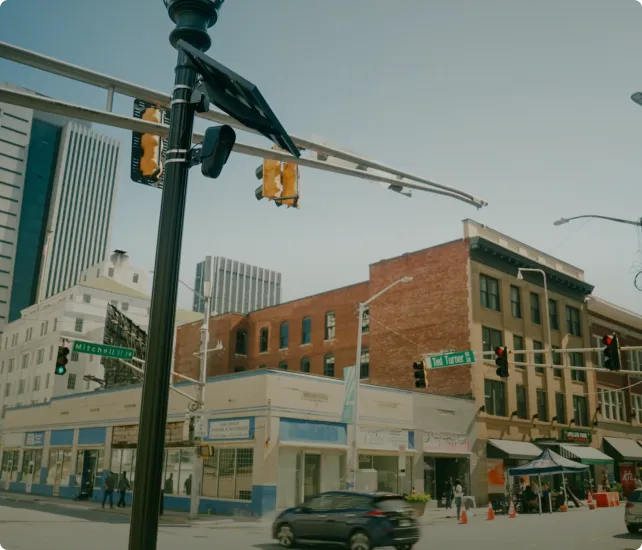
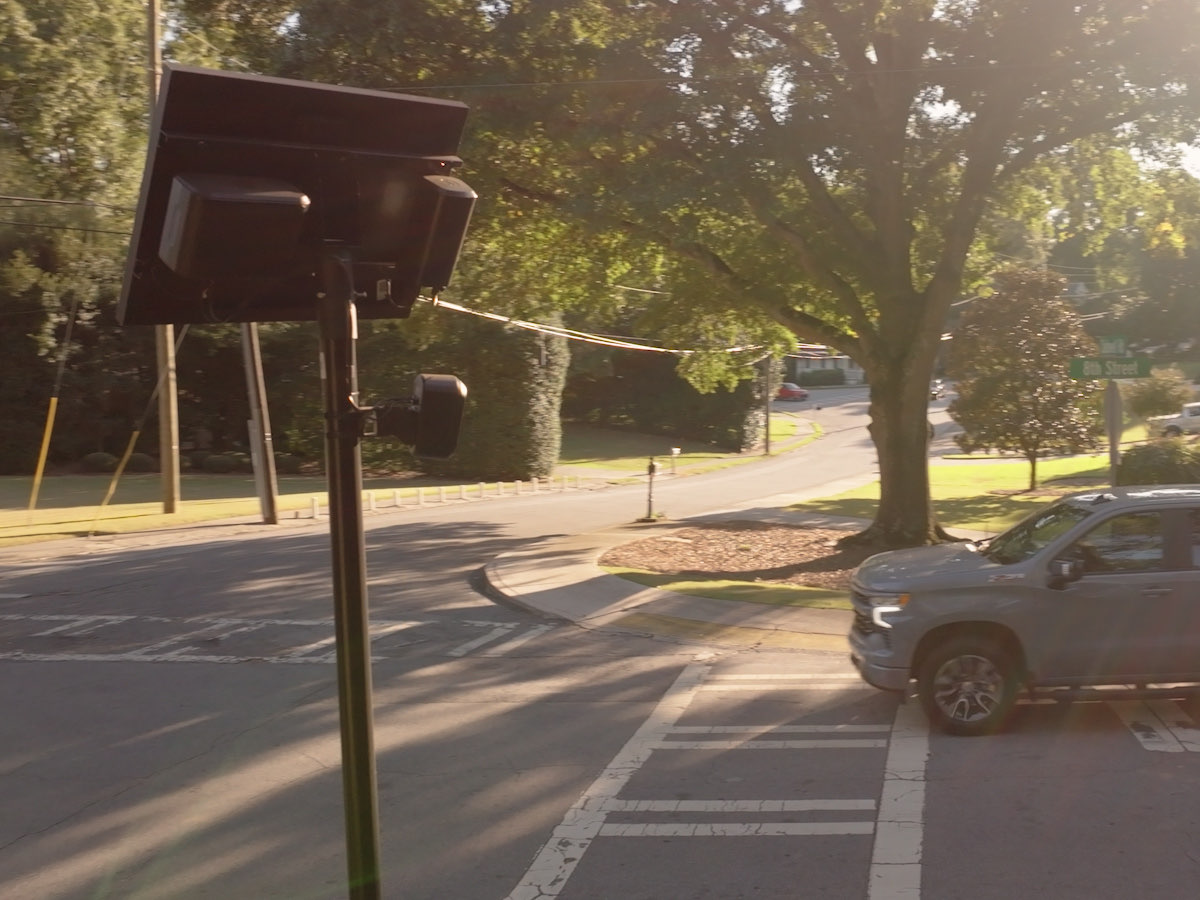
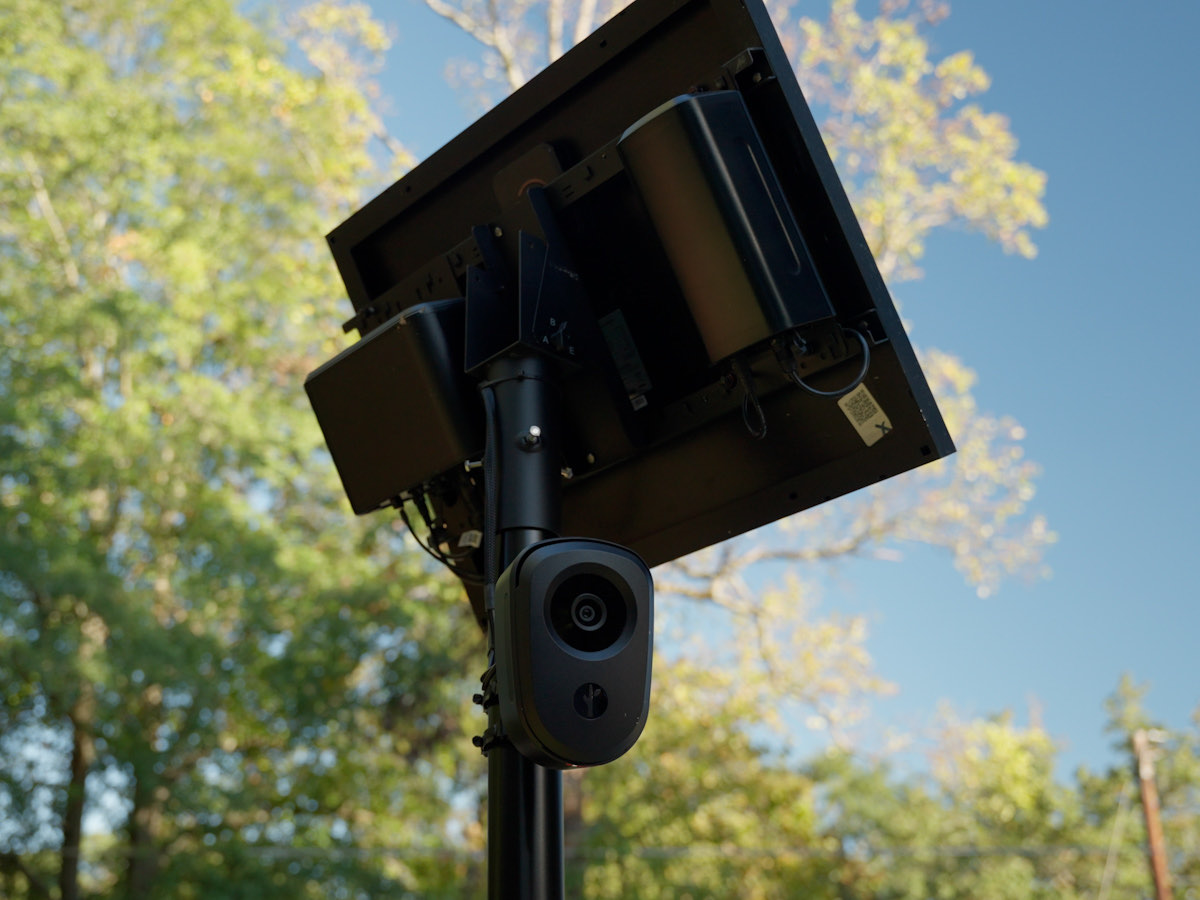
Flock LPR supports this in several ways:
- Investigative alerts when a vehicle matches a hot list, giving officers a lead to review and corroborate;
- Flexible search for full, partial, and temporary plates, plus Vehicle Signature to generate leads from limited information;
- Connected sightings across jurisdictions, so agencies can securely collaborate with customer-authorized trusted partners;
- Built-in controls for privacy, auditing, and accountability, with customers deciding how their data is shared and accessed.
Drone as First Responder Helps Officers See the Scene Before They Arrive
Drone as First Responder (DFR) gives responders earlier visibility into the first moments of a call. Flock DFR can help agencies launch a drone early in a response, so dispatchers and officers can see relevant scene context while units are still en route.
With the right approvals and workflows in place, docked drones can be dispatched to the coordinates of a 911 call, a license plate reader camera alert, or a gunshot detection alert, consistent with agency policy and applicable FAA requirements, then stream HD video with thermal, low-light, and zoom capabilities to responders’ devices.
Results from agencies already flying DFR show what is possible, including reaching calls for service within 86 seconds and a reported 89% increase in subjects located. Dunwoody PD safely apprehended an armed and dangerous suspect in under an hour. Alhambra PD safely located a missing elderly woman living with dementia within minutes.
Flock Alpha Is Built for Faster DFR Response
Flock Alpha, purpose-built for DFR, extends these advantages:
- Up to 60 mph flight speed, helping agencies get visual context to a scene before officers arrive;
- 2,000 ft zoom, with the ability to read license plates from that distance, plus thermal and low-light optics that help responders assess visible conditions more clearly;
- 50 square miles of range, with four independent cellular modems designed to help keep the mission connected if one network fails.
Calm Starts With Knowing
Information supports clear thinking. When an officer approaches a scene with a live view of what may be happening, including visible safety risks and how people and vehicles appear to be positioned, they have more context to assess risk before they arrive.
“We can actually see what we’re walking into before we even walk into it,” Noakes said.
Flock designed DFR to reduce cognitive load. Easy-to-use flight operations, augmented reality overlays, one-click workflows, and automated safety features let operators focus on the scene and relay what they see. Dispatchers can listen to the call while the drone is in the air, which gives officers both video and the tone of the caller’s voice.
“Without the live 911, we wouldn’t have been able to get the tone of the voice,” Fort Worth Police Department Sgt. Erik Lavigne said.
Better information can also support a more measured response. When a drone feed gives responders enough context to determine that a call may be a false alarm or a manageable situation, they can adjust their approach.
In Elk Grove, 1 in 5 calls are resolved without dispatching patrol, freeing officers for emergencies that need them.
Privacy and Accountability Are Built In
Community trust is essential to any public safety technology. Lompoc’s program shows how transparency can work. Its flight dashboard lets residents see details about drone responses and flight paths online. The City Council unanimously approved a two-year trial, and when residents raised privacy questions, a Flock representative explained that program settings, agency policy, and public transparency measures govern camera use during flight.
Flock’s platform includes auditing and compliance controls designed to help agencies manage access, use, and accountability, and DFR auto-generates flight logs and mission reports to help agencies document flights and support FAA and agency reporting workflows. Flock also supports agencies with FAA regulatory compliance, SOP development, and training.
What Faster Context Means for Your Community
For law enforcement leaders, faster context supports safer, better-informed decisions. For local government leaders, it extends the reach of understaffed departments. For residents, it can mean clearer information during a school threat, faster support in a missing-child search, or a person in crisis reaching care sooner.
“You can do months and months and months worth of investigative police work in a matter of hours,” Bakersfield Police Department Lt. Chris Bagby said.
FAQs
How do Flock LPR and Drone as First Responder help officers before they arrive on scene?
Flock LPR and Drone as First Responder give responders earlier context by turning vehicle information, alerts, and live aerial video into information officers can use while en route. LPR can help identify and locate vehicles tied to an incident, while DFR can stream live video from above the scene so dispatchers and officers can better understand what is happening before arrival.
What can officers do with Flock license plate reader data during an active investigation?
Flock LPR can send instant alerts when a vehicle matches a customer-defined or National Crime Information Center (NCIC) hot list. Agencies can also search full, partial, and temporary plates, use Vehicle Signature to generate leads from limited information, and securely collaborate with trusted partner agencies when connected sightings may support an investigation.
How does Flock Drone as First Responder work with 911 calls and other alerts?
Flock DFR can launch a docked drone to the coordinates of a 911 call, LPR hit, or gunshot detection alert. The drone streams HD video with thermal, night vision, and zoom capabilities to responder devices, helping dispatchers and officers assess the scene and relay relevant context before ground units arrive.
What privacy and accountability controls are included with Flock LPR and DFR?
Flock includes auditing and compliance controls, and customers decide how their LPR data is shared and accessed. For DFR programs, Flock auto-generates flight logs and mission reports after flights to support FAA and agency reporting requirements, and agencies can use transparency tools such as public flight dashboards to help inform the community.
Explore More


Protect What Matters Most.
Discover how communities across the country are using Flock to reduce crime and build safer neighborhoods.