
.webp)







Flock Safety Calls on Mobile Network Operators to Help Accelerate Drone Public Safety Operations
Leading public safety technology provider urges telecoms industry to expose 5G programmable network capabilities to support Drone as First Responder and mission-critical aerial operations

May 7 2026, London: Flock, a leading provider of public safety technology, supported by GSMA Fusion, today called on mobile network operators (MNOs) to accelerate the deployment of programmable mobile network capabilities to support the next generation of Drone as First Responder (DFR) and mission-critical public safety operations.
Public Safety Agencies Rapidly Expanding Drone Operations
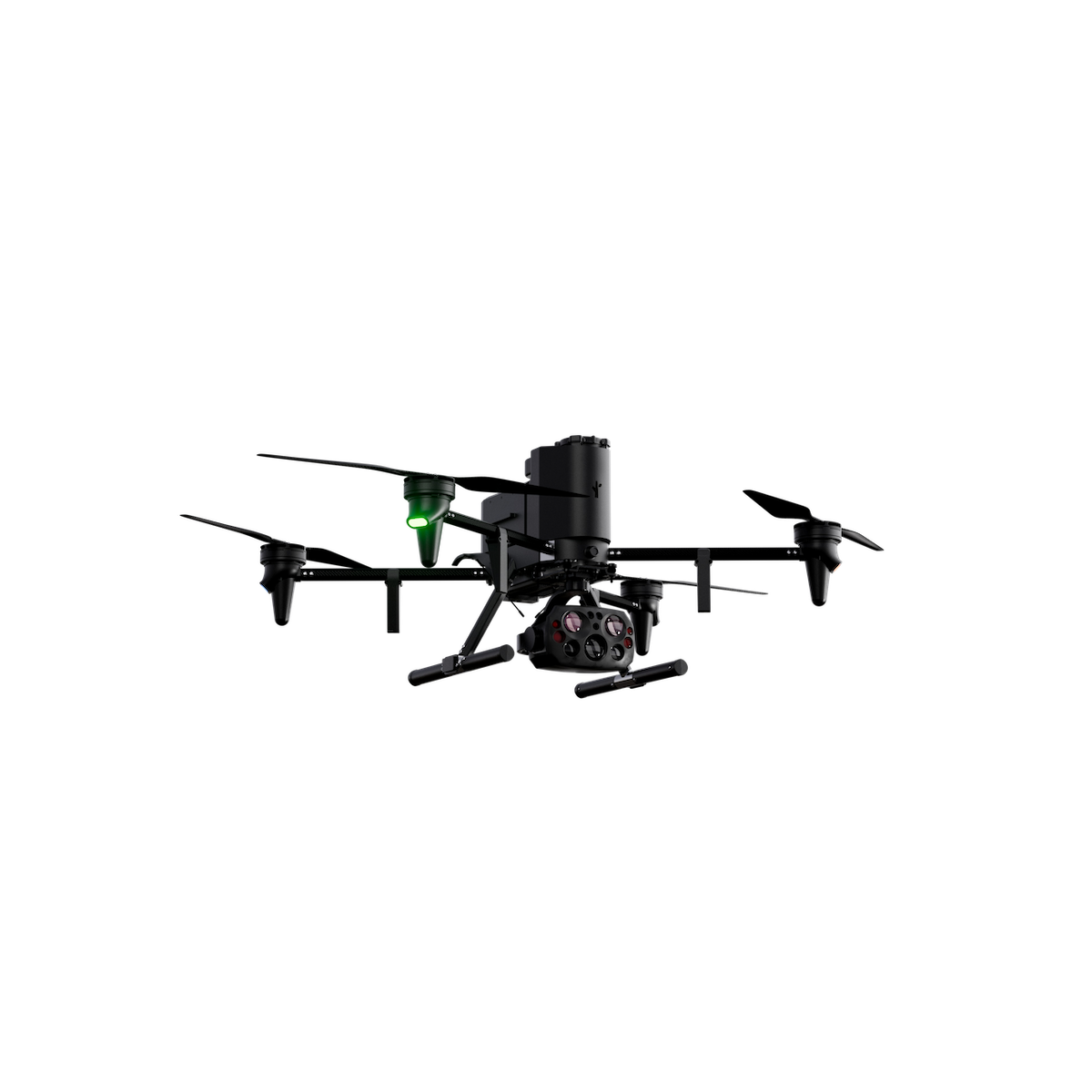
The call comes as public safety agencies increasingly deploy drones to improve emergency response times, enhance situational awareness, and protect frontline personnel. In the United States alone, around 300 agencies – including firefighters, paramedics, and police forces – adopted DFR capabilities in 2025, signaling a rapid shift from pilot programs to mainstream operational deployment. As these services scale, they place growing demands on mobile networks, requiring assured performance, low latency, resilience, and seamless interoperability across operators.
Today, many public safety drone operations rely on commercial cellular networks for command and control, real-time video, and telemetry. While current networks can support basic functionality, they are not consistently optimized for aerial, mission-critical use cases. Drone traffic is typically treated as best-effort data, resulting in variable performance under load and increased operational risk during critical incidents.
Flock Publishes Network Requirements for DFR Deployments
To address this, Flock has published a Statement of Requirements defining the network capabilities needed to support safe, scalable, and interoperable public safety drone operations. Developed in collaboration with GSMA Fusion, part of the GSMA Open Gateway initiative, the guidance outlines how programmable networks and standardized APIs can enable consistent, high-performance connectivity for DFR deployments across regions and operators.
Flock’s requirements are informed by real-world deployments of connected public safety technologies, including license plate recognition, video intelligence, and now unmanned aerial systems. Its expansion into Drone as First Responder operations has further highlighted the need for assured connectivity, particularly as drones are dispatched ahead of responders to deliver live aerial intelligence in time-critical situations.
Key Capabilities Needed for Mission-Critical Connectivity
Key capabilities highlighted in the Statement of Requirements include:
- Assured high-priority, low-latency connectivity for real-time video and mission-critical data
- Dynamic network performance management using Quality on Demand
- Real-time and predictive network awareness to enable adaptive operations
- Prioritized and resilient command and control traffic
- Seamless interoperability across operators and markets
- Policy-driven resource allocation for aerial devices
“Public safety agencies are increasingly relying on drones to deliver faster, safer, and more informed responses,” said Trevor Pennypacker, Aviation Principal Product Manager at Flock. “However, the connectivity these operations depend on is highly variable and largely outside of the control of the operator. We need networks that can recognize and prioritize mission-critical aerial traffic, ensuring consistent performance when it matters most.”
“Drone as First Responder is one of the clearest examples of where programmable networks can deliver real impact in the aviation space,” said Barney Stinton, Market Development Lead for Aviation at GSMA Fusion. “By exposing capabilities such as Quality on Demand, network insights, and identity through standardized APIs, operators can enable safe, scalable public safety drone operations while unlocking new value from their networks.”
Programmable Networks Create a Path to Scalable Public Safety Operations
By exposing network capabilities through initiatives such as GSMA Open Gateway and the CAMARA Network API framework, mobile operators can transition from best-effort connectivity to assured, policy-driven network behavior. Alongside GSMA Open Gateway, GSMA Fusion acts as a demand-side bridge between industries and the global mobile ecosystem, making it easier for public safety agencies and technology providers to access advanced network capabilities through standardized APIs.
The collaboration between Flock and GSMA Fusion represents a significant step toward aligning public safety requirements with global telecom capabilities, creating a clear pathway for scalable deployment of Drone as First Responder services.
Industry Collaboration Needed to Advance Next-Generation Emergency Response
Over the next 24 months, Flock plans to continue expanding its DFR deployments across the United States, providing opportunities for mobile network operators to collaborate on implementing these capabilities and demonstrating the value of programmable networks in supporting critical public safety infrastructure.
Flock invites mobile network operators, the GSMA, and industry partners to work together through the Open Gateway framework and CAMARA APIs to enable safe, resilient, and scalable public safety drone operations.


Protect What Matters Most.
Discover how communities across the country are using Flock to reduce crime and build safer neighborhoods.