
.webp)






How Communities Can Extend Public Safety Visibility During Summer
License plate readers (LPR) and video help city departments extend coverage, coordinate more effectively, and respond faster to increased summer activity, seasonal events, and public safety demands.

The Challenge
Summer brings larger crowds, more events, and more activity to public spaces.
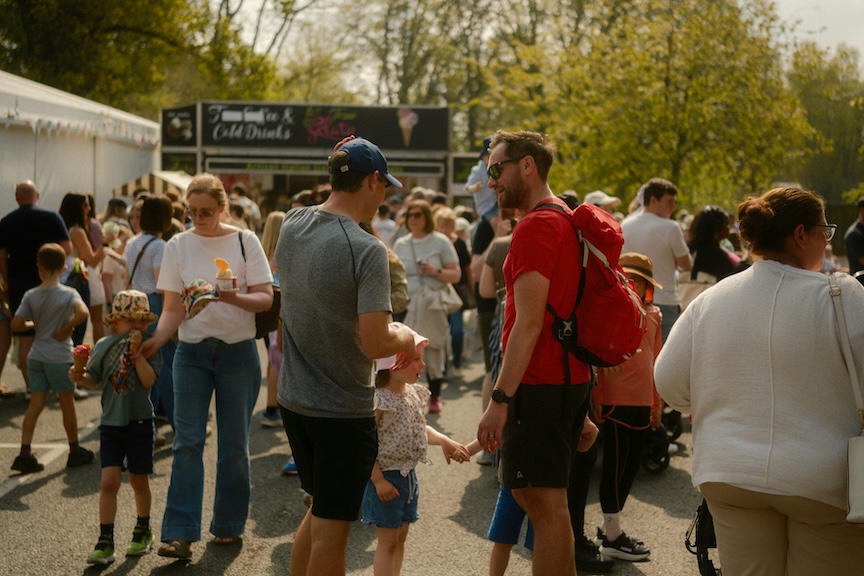
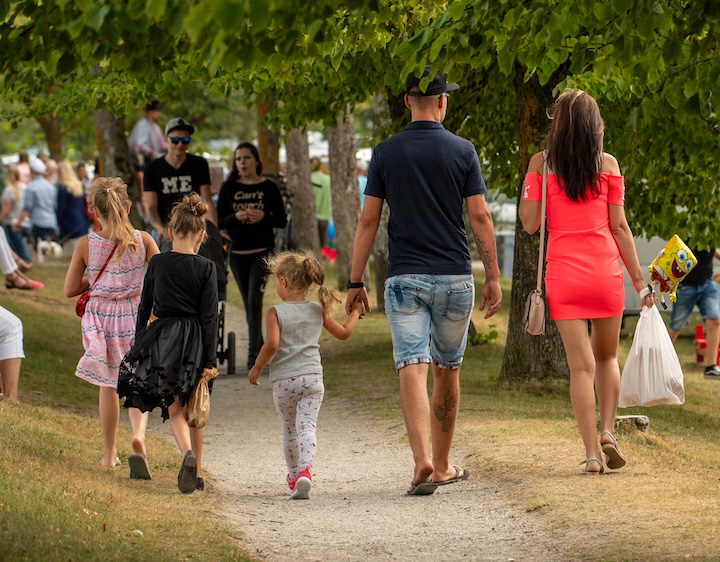
Parks fill with families. Recreation programs expand. Seasonal programming, like festivals, concerts, farmers' markets, and Fourth of July celebrations, brings thousands of people together. Construction projects accelerate. School campuses, trailheads, beaches, community pools, and entertainment districts all see more activity.
Summer can also coincide with an increase in violent crime in some communities. National reporting has found that some forms of violence, including shootings and aggravated assaults, can rise during summer months. Holidays such as the Fourth of July often require additional planning as agencies prepare for larger gatherings and increased public activity.
Recent incidents have led some communities, including Highland Park, Illinois, and Philadelphia, Pennsylvania, to revisit summer event safety planning and cross-department coordination.
During the summer months, city departments need to maintain safety across more locations and in places that often were not designed around permanent security infrastructure. Many have limited access to wired power or network connectivity. Others only require additional coverage during seasonal events or periods of heavy use.
Summer creates a citywide coordination challenge:
- Law enforcement agencies coordinate patrols across festivals, concerts, sporting events, and holiday celebrations while continuing to answer calls for service throughout the community.
- Parks and Recreation teams oversee athletic fields, community centers, trails, and public parks where hundreds of residents gather each week.
- Public Works departments support road closures, construction projects, special events, and critical infrastructure while monitoring equipment and public assets spread across the city.
- Public Housing Authorities manage multiple properties, parking areas, playgrounds, and common spaces with teams responsible for large geographic areas.
Every department faces these seasonal demands, often with leaner teams as summer vacations reduce available staff. But the challenge extends beyond staffing.
When an incident occurs, departments often spend valuable time collecting information from separate systems, reviewing video from different sources, or relying on eyewitness accounts that provide only part of the picture.
Clear visibility allows agencies to understand what happened faster, coordinate resources with confidence, and move from response to resolution more efficiently.
The Solution
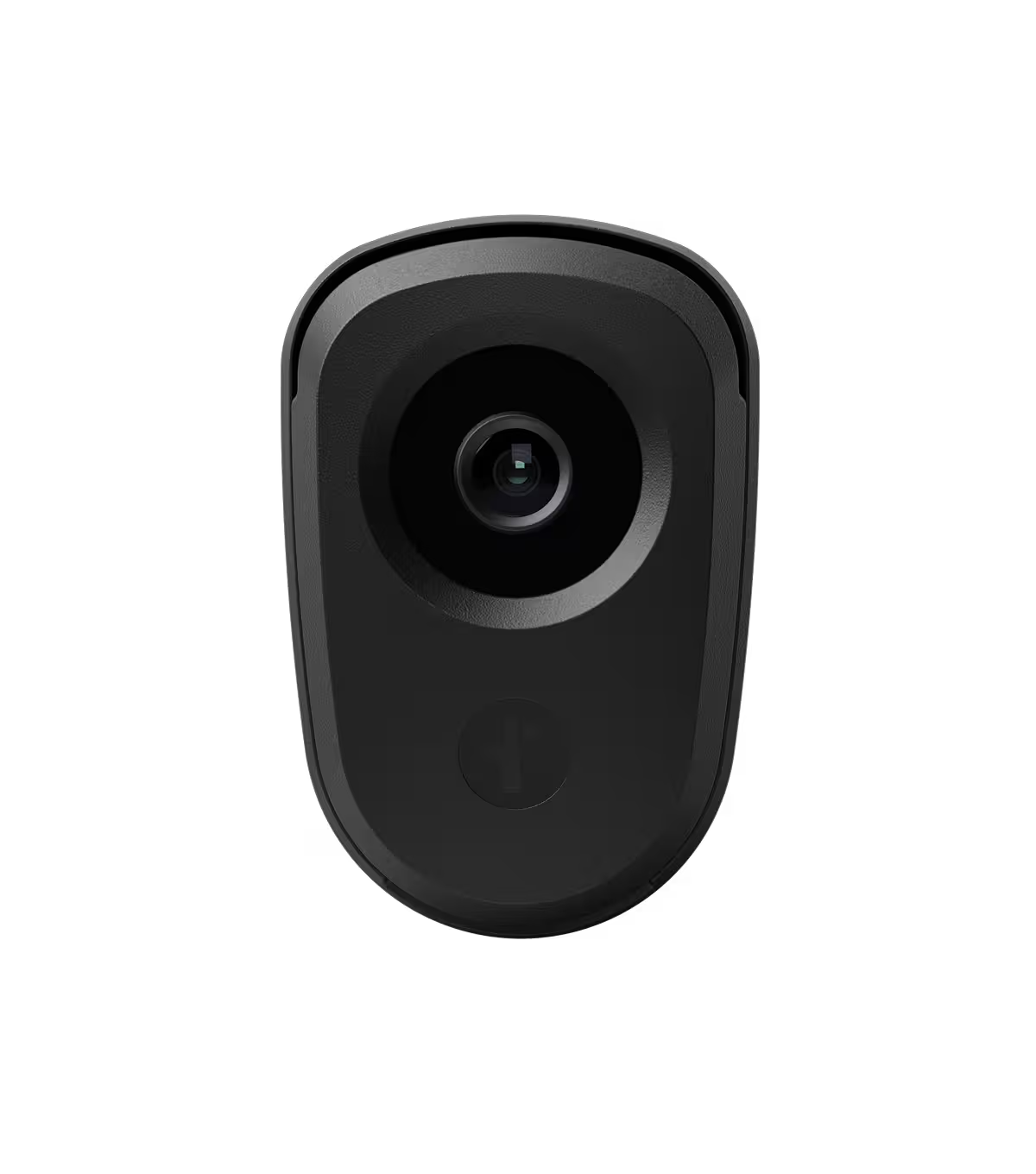
Without flexible deployment options, seasonal event spaces and remote public areas can become operational blind spots precisely when departments need visibility the most. By combining license plate reader cameras (LPR cameras) with video cameras, Flock helps agencies extend coverage into approved public locations that need additional visibility during seasonal activity. Rather than limiting coverage to places where power and networking already exist, solar-powered, wireless deployment allows departments to add coverage where it can have the greatest operational impact without requiring existing infrastructure.
An LPR camera captures structured vehicle data, including when and where a vehicle was seen. Video adds surrounding context by showing relevant activity before, during, and after an incident. For larger areas, Dual Lens PTZ cameras can provide both broad situational awareness and detailed views of unfolding activity. Rather than choosing between monitoring the wider scene and investigating specific activity, agencies can maintain awareness while accessing the details that matter.
Together, LPR and video cameras create a more complete picture that supports operational decisions and investigations across multiple departments.
Law enforcement can identify suspect vehicles through LPR, quickly review surrounding activity with connected video, and build stronger investigative timelines without switching between systems.
Parks and Recreation staff can review recorded video following vandalism, property damage, or unauthorized activity, helping teams understand what occurred and identify repeat incidents across multiple facilities.
Public Works departments can investigate illegal dumping, equipment theft, damage to infrastructure, and activity around remote job sites while maintaining better awareness across public assets.
Public Housing Authorities gain visibility in approved, publicly visible common areas, including entrances, parking areas, playgrounds, and shared community spaces, while giving authorized staff access to relevant footage when incidents occur.
Emergency response teams and event organizers can maintain situational awareness of vehicle traffic, access points, and changing conditions during concerts, festivals, sporting events, and holiday celebrations. Shared visibility helps departments coordinate resources when conditions change and maintain awareness throughout an event.
When LPR cameras and compatible video cameras are connected through Flock, authorized staff spend less time moving between systems or gathering footage from multiple locations. Investigators and operations teams can move from an alert to relevant supporting video in the same connected workflow, helping them verify incidents faster, understand surrounding activity, and reduce the time required to locate evidence.
Together, LPR and video cameras can help investigations move faster, strengthen evidence, supplement eyewitness accounts, and support faster operational decisions across city departments.
The Takeaway
Every summer brings more activity, more visitors, and more responsibility for local governments.
Better visibility helps city departments protect more places with the resources they already have.
By connecting LPR cameras and compatible video cameras through Flock, Flock helps law enforcement, Parks and Recreation, Public Works, Public Housing Authorities, and emergency management teams extend coverage to hard-to-reach locations, coordinate more effectively, and respond with greater confidence.
When departments have appropriate access to shared visibility across the spaces they help manage, they can make faster decisions, improve coordination, and help keep communities safe throughout the busiest season of the year.
Speak to an expert about how combining LPR and video can support coordinated summer operations.
FAQs
Q: How can communities extend coverage for summer events and busy public spaces?
A: Cities can use Flock’s solar-powered, wireless LPR cameras and connected video to extend visibility in approved locations with limited existing infrastructure. This can include parks, trailheads, parking lots, athletic complexes, school campuses, construction sites, housing properties, and event venues.
Q: How do License Plate Readers and video work together for investigations?
A: LPR shows when and where a vehicle was present, while video provides surrounding context before, during, and after an incident. Together, they help teams build clearer timelines, review relevant activity, and find supporting evidence without moving between disconnected systems.
Q: Which city departments can use shared video and LPR visibility during the summer?
A: Flock can support authorized users in law enforcement, Parks and Recreation, Public Works, Public Housing Authorities, emergency management teams, and other city teams. Shared visibility helps departments coordinate around busy public spaces, seasonal programs, road closures, community events, housing properties, and remote public assets.
Q: What types of locations are a good fit for wireless video and LPR deployment?
A: Flock’s wireless license plate reader cameras and connected video can be a strong fit for places with seasonal crowds, limited infrastructure, or changing coverage needs. Common examples include public parks, event entrances, parking areas, entertainment districts, trailheads, construction zones, housing communities, and temporary venues.
Photo Credit:


Protect What Matters Most.
Discover how communities across the country are using Flock to reduce crime and build safer neighborhoods.