








How Flock License Plate Reader Cameras Work: What They Capture, What They Don’t, and the Guardrails Around Their Use
Flock license plate readers capture still images of vehicles at specific moments, and a recent Valdosta, Georgia case shows how those sightings, combined with clear rules and auditable records, can support serious investigations.

Residents want clear answers about license plate readers (LPR). Does Flock use facial recognition? Does it know who is driving? Can police follow anyone they want? Who can see the images? How long are they kept?
This article takes each question in turn. It explains what Flock LPR captures, what it can and can't show, and the guardrails around its use. This video also covers the same topics visually:
What Flock LPR Captures
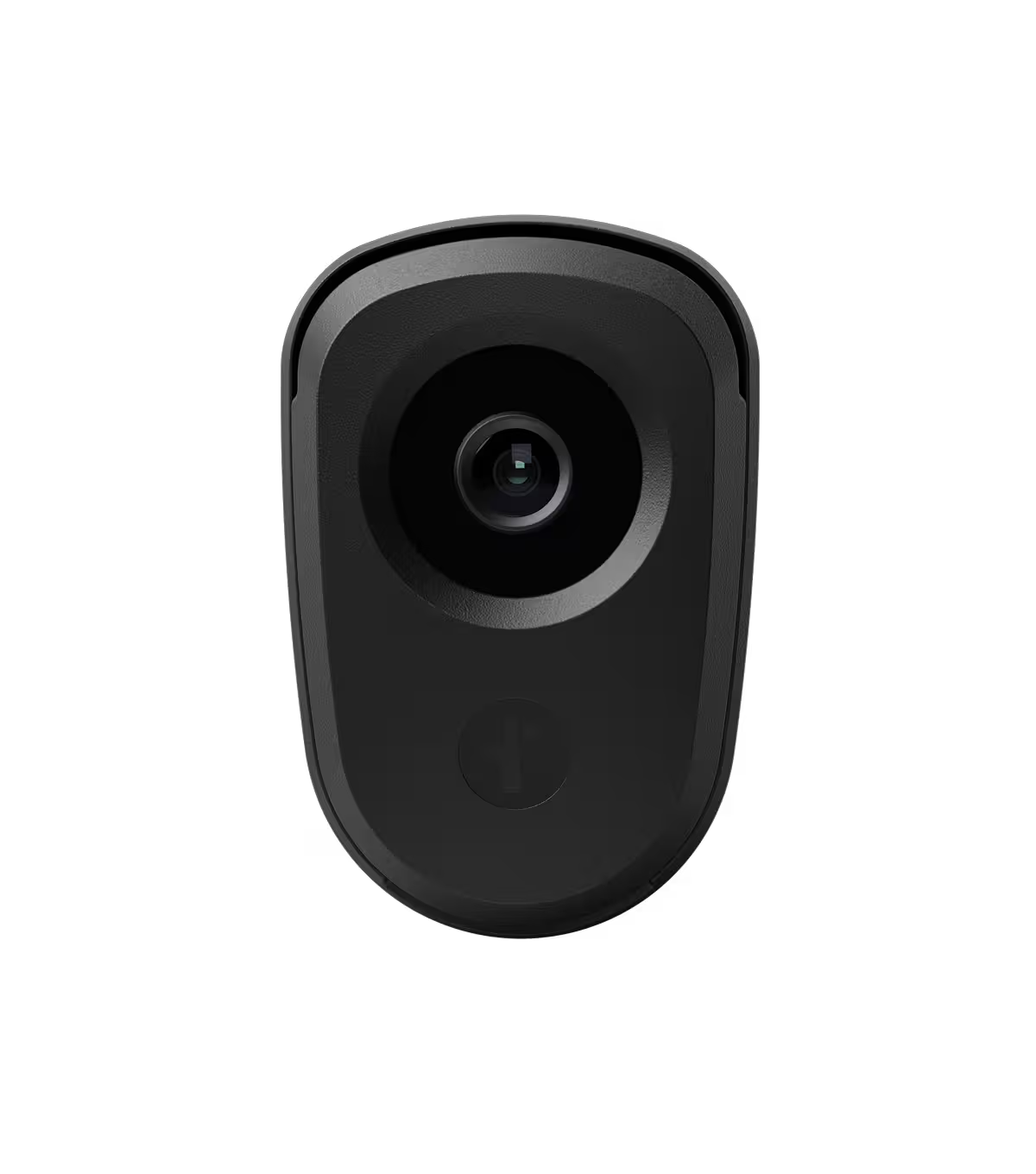
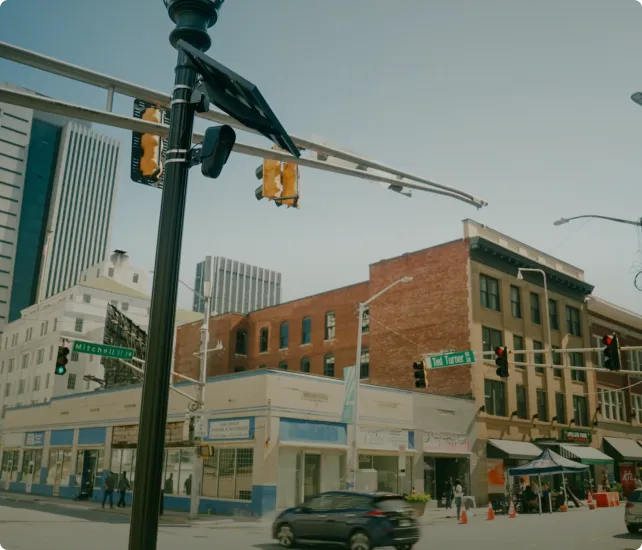
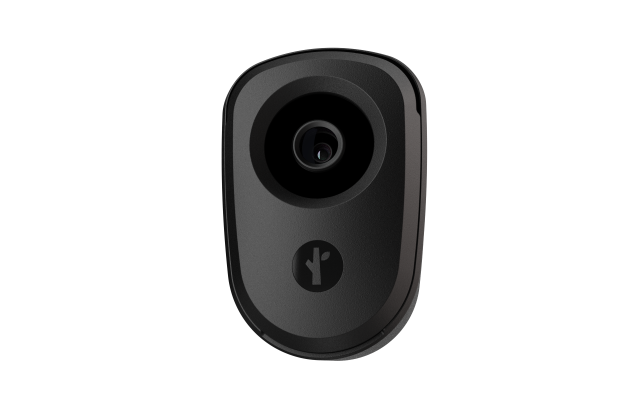
When a vehicle passes a Flock LPR camera, the camera captures a series of still images. The system processes those images for details like the vehicle's make, color, direction of travel, time, location, and, when visible, the license plate.
A Separate Sighting is Created Each Time a Vehicle Passes by a Camera
If the same vehicle passes another Flock LPR camera, it logs another image. Each time a vehicle passes by a camera, it creates a separate sighting.
When viewed together, those sightings help investigators understand where a vehicle was seen over time. That can provide leads when investigators are searching for missing people, stolen vehicles, or suspects in violent crimes.
What Flock LPR Can Show, and What It Can't
- Flock LPR shows still images at specific cameras and specific moments in time.
- Flock LPR can't show continuous movement between sightings or real-time vehicle location.
- Flock LPR cameras do not use facial recognition or identify drivers.
These limits directly answer two of the community's biggest questions: Flock cameras don't use facial recognition technology, and they don't identify who is driving.
With a human in the loop, Flock LPR pairs technology with officer judgment. Flock recommends that officers confirm the plate number and hot list status before initiating a traffic stop.
Case Example: Flock LPR Assists Valdosta Police Department Investigation
A case in Valdosta, Georgia shows how LPR images work alongside traditional detective work.
Valdosta Police detectives learned about a reported sexual assault involving a 16-year-old.
A Flock license plate reader camera helped Valdosta Police Department (VPD) verify the suspect’s vehicle was in the area around the time of the assault, according to the department's press release.
Detectives arrested the suspect without incident. He faces charges of sexual abuse of a minor and burglary. VPD says the investigation is active and may lead to additional charges. Timely evidence, like an LPR image, can help investigators act quickly and keep the case moving.
Who Can See the Images
Customers own their data and control access. Flock does not sell customer data or share it without authorization. Policy, role-based controls, and auditability limit access to customer data.
Data sharing is off by default. Flock disables federal sharing where it is legally prohibited, and excludes federal agencies from the statewide and nationwide networks.
A sharing relationship with a federal agency requires a three-step confirmation from the local agency, and Flock has no contract with ICE. Network Audit provides visibility into outside-agency searches, while the originating agency's Organization Audit retains the full logged search information.
Every Search Is Documented, Permanently Logged, and Auditable
Every law enforcement search must include a documented search reason and required offense type, and all searches will require case codes by the end of 2026. Admin-enabled filters can automatically block prohibited searches, such as immigration or reproductive-health queries, where law or policy forbids them.
The originating agency's audit record permanently logs search information, creating a record agencies can use to oversee how the system is used.Audit tools help agencies review search activity and address potential misuse. Audit Assistance, now mandatory for all law enforcement customers, surfaces atypical search patterns and flags them for administrator review through a documented workflow.
Together, these tools keep users accountable and give agencies the information they need to oversee their own programs.

LPR Accountability Safeguards at a Glance
- Every LPR search is permanently logged with a documented reason and required offense type, and case codes will be required for all searches by year-end;
- Audit Assistance is mandatory for all law enforcement customers;
- Offense type filtering lets agencies control which crime types can be searched on their cameras, for both internal and external users;
- Every external access request requires explicit agency approval, and Flock does not auto-share data;
- 7-day recommended retention, with Evidence Mode to preserve data for active investigations;
- Multi-factor authentication required for every customer;
- Data encrypted with AES-256 at rest and TLS 1.2 or higher in transit
- Annual independent penetration testing by Bishop Fox, with results published and a Coordinated Vulnerability Disclosure program for researchers;
- Public Transparency Portals that publish policies, usage metrics, and access rules.
Agencies Control Who Can Access Their Data
Flock customers own their data. Flock does not sell customer data or share it without permission. Offense-type filtering lets agencies decide which offense types are permitted when they search their camera network, and any federal request requires explicit approval. Agencies stay in control of their data and who it is shared with.
How Long Are Flock LPR Images Kept?
Local agencies set their LPR data retention period based on agency policy and applicable law. Flock recommends a 7-day retention period for law enforcement customers. Once the applicable retention period ends, LPR data is permanently deleted and irrecoverable unless agencies preserve it as evidence for a specific case. Evidence Mode lets agencies preserve data for active investigations without extending retention for everything else.
How Flock Data Is Secured
Flock protects data with multi-factor authentication (now required for every customer), encryption, and administrative oversight. Data is encrypted on the device with AES-256, travels to the cloud over TLS 1.2 or higher, and stays encrypted with AES-256 in the AWS cloud until its scheduled deletion.
Flock also holds itself to the highest security standard by commissioning independent security testing. In 2026, Bishop Fox conducted a penetration test with full access to Flock’s source code and system architecture, covering hardware, software, mobile apps, and cloud infrastructure. Flock published a summary of the findings, and customers can download the full report and the retest report. Read the Bishop Fox findings.
A small subset of images helps improve how Flock recognizes vehicles and license plates. Those images are stripped of the time and location they were captured and of the agency that captured them.
Promoting Community Transparency on LPR Use
Residents can see how their local agency uses Flock through a Flock Transparency Portal. When an agency publishes one, the portal shares agency policies, data retention settings, data usage information, access rules, and success stories. Portals also help officials share rules clearly and reduce repetitive public-records requests.
Responsible use starts with clear rules. Flock recommends that every agency define:
- How LPR technology is used
- Who can access LPR data
- How long LPR data is retained
- How LPR use is reviewed
Ongoing training helps authorized users understand those rules, and regular audits and reporting show how the program is working. Local agencies and communities both help set expectations for how this technology is used.

FAQ
What does Flock LPR capture when a vehicle passes a camera?
Flock LPR captures still images of vehicles at specific moments. A sighting can include vehicle make, color, direction of travel, time, location, and, when visible, the license plate.
Does Flock LPR use facial recognition or identify drivers?
No. Flock LPR does not identify drivers. Flock LPR cameras do not use facial recognition. Flock LPR is designed to capture vehicle sightings, not determine who is driving.
Can Flock LPR track vehicles in real time?
Flock LPR does not show continuous movement between sightings or real-time vehicle location. Each sighting reflects a vehicle image captured at a specific moment in time.
Who controls access to Flock LPR data?
Flock customers own their data and control who can access it. Law enforcement searches require a documented reason and a required offense type, and Flock logs and audits search information. Learn more here: What is Flock?


Protect What Matters Most.
Discover how communities across the country are using Flock to reduce crime and build safer neighborhoods.