
.webp)







Not All License Plate Readers are Equal: When Plate Data Fails, How Do Investigations Continue?
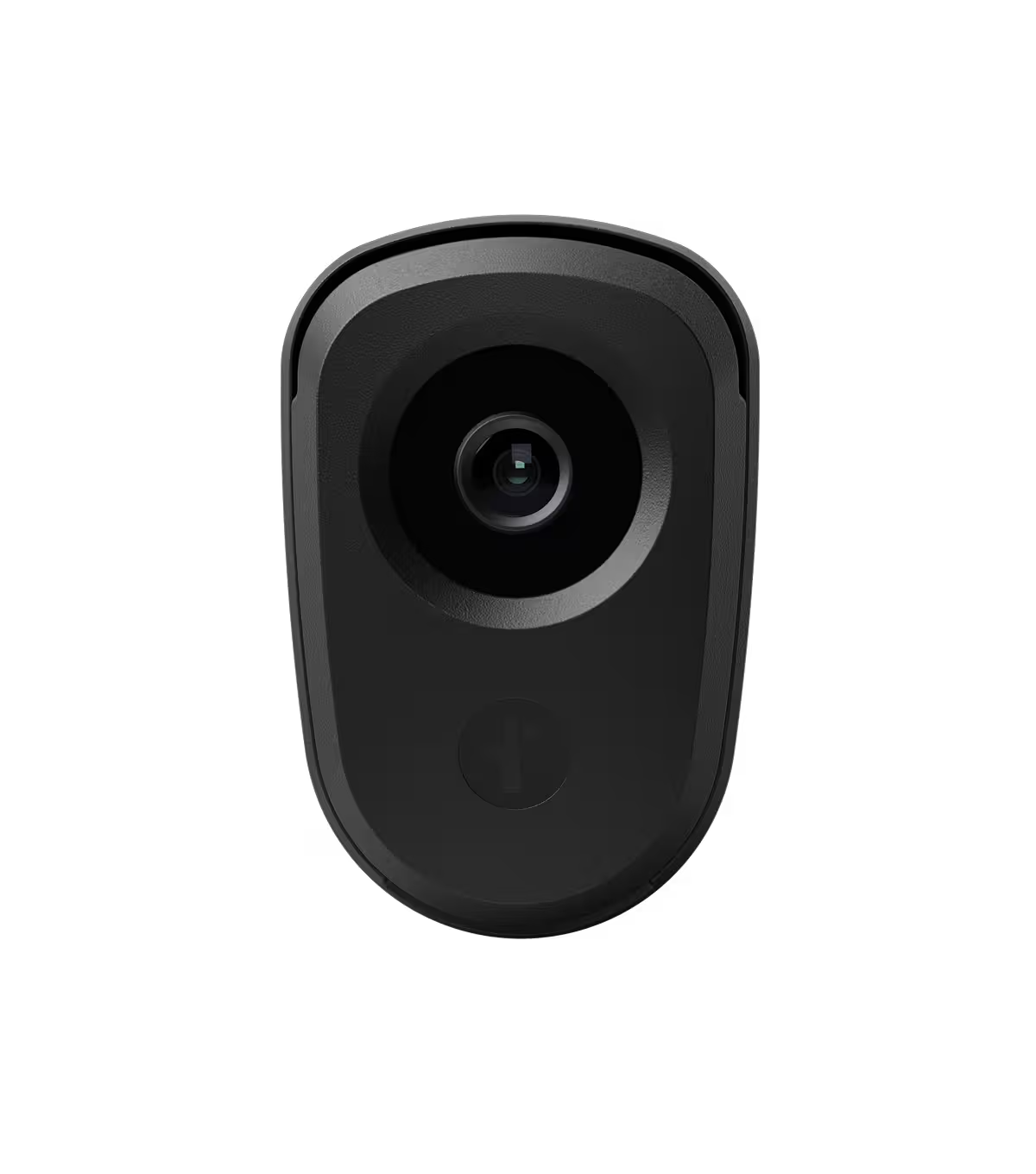
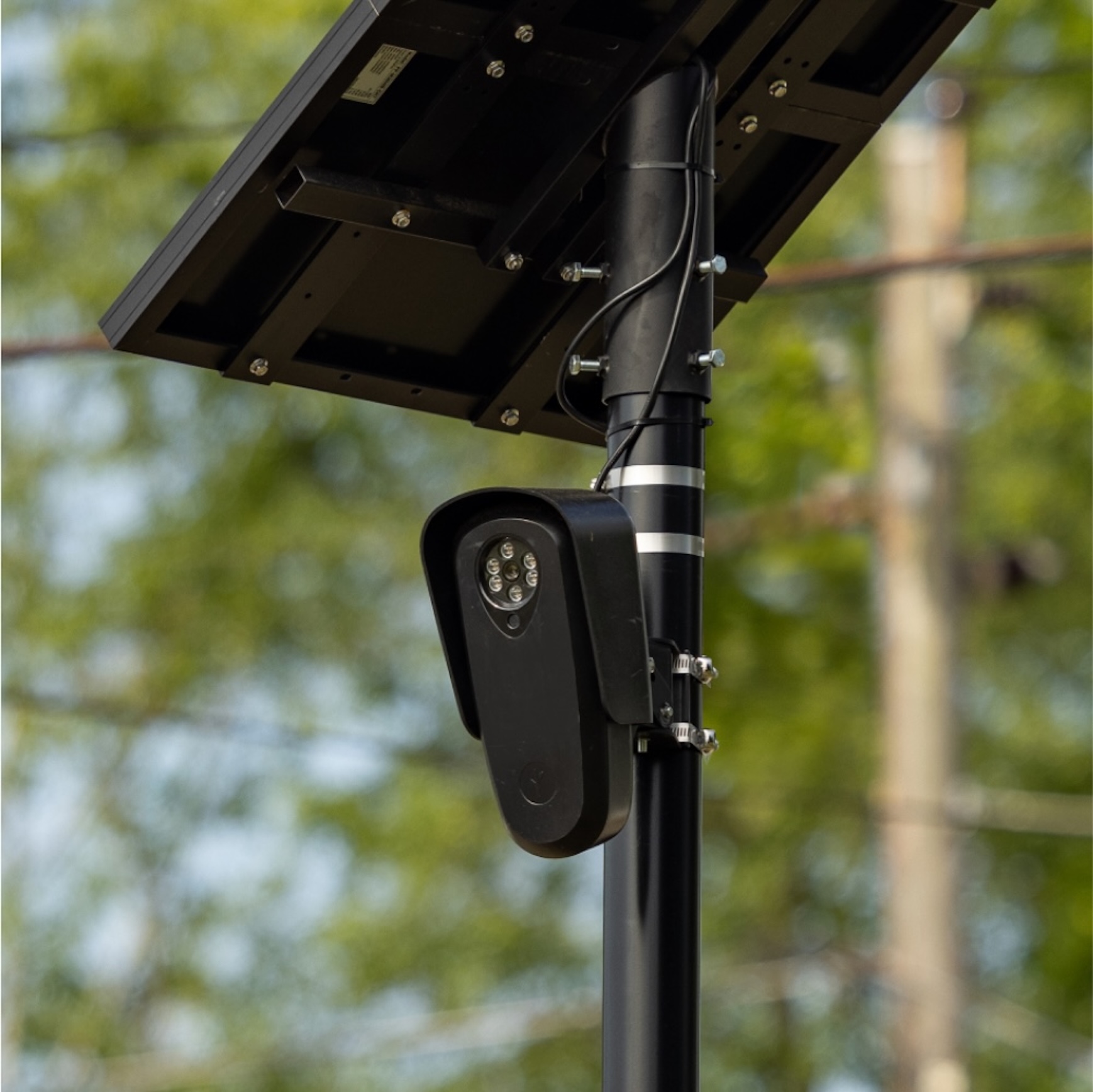
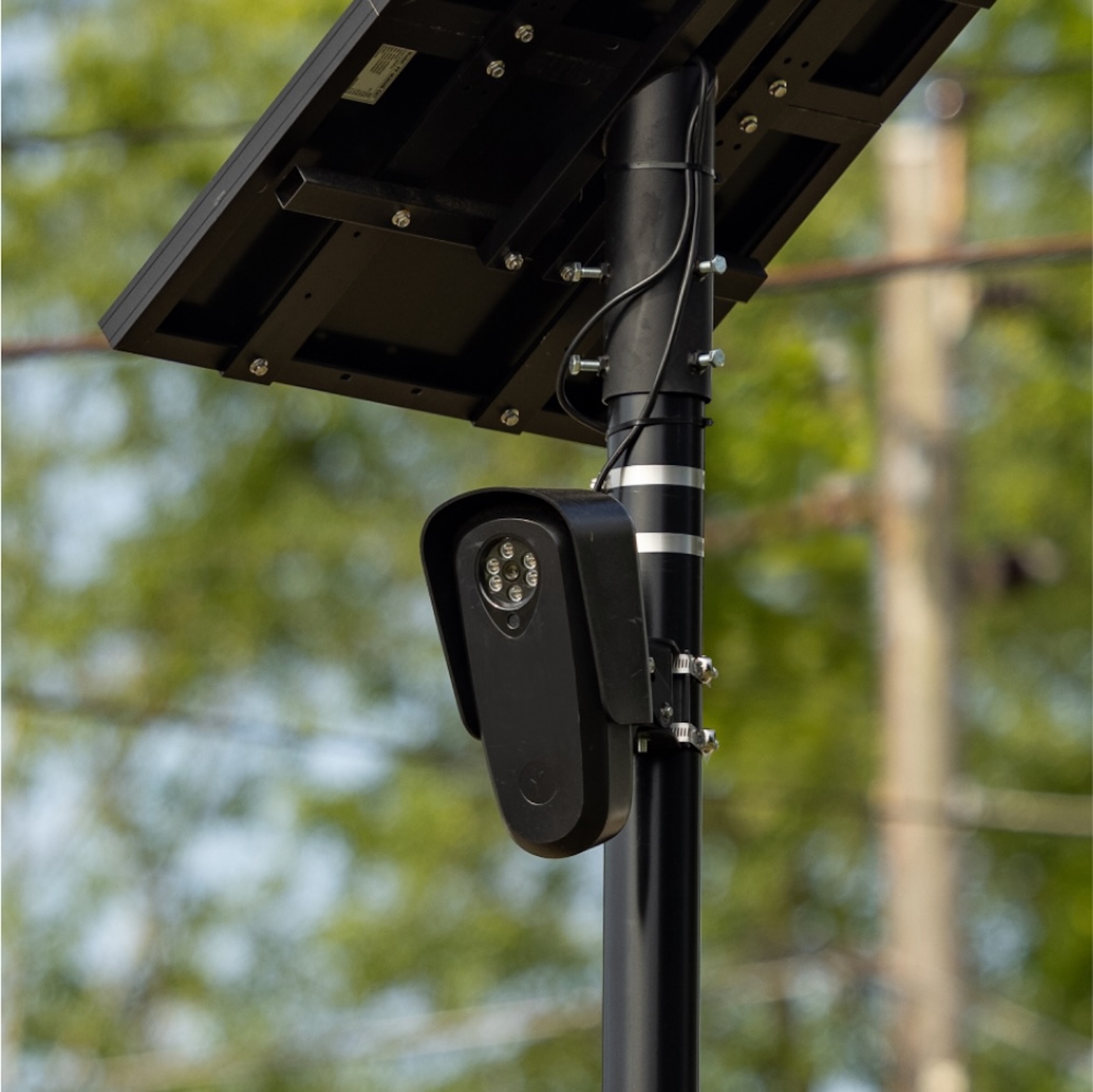
When license plate data breaks down, investigations still need to move forward. Flock LPRs combine license plate reads with vehicle identification to reduce false positives, accelerate response times, and enable agencies to act with confidence in real-world conditions.

License plate readers (LPR) are now a standard tool in modern policing. LPRs help teams move faster, cover more ground, and connect incidents that might otherwise stay isolated. But anyone who has worked a case knows the reality: license plates are not always reliable.
License plates are often swapped, covered, falsified, stolen, altered, misread, or replaced with temporary or paper tags. Sometimes they are simply unreadable.
License plate reading is powerful, but it’s only part of the picture. Strong investigations combine plate data with broader vehicle identification to deliver clarity even when details are incomplete.
That’s the perspective Flock is built on: vehicle identification should work even with partial plate data by leveraging AI, network intelligence, and purpose-built hardware. Flock unites these capabilities to help agencies move faster and stay effective when no single data point tells the whole story.
What happens when a plate is swapped, covered, or missing?
A plate read can initiate an investigation, but without distinguishing vehicle characteristics, it does not always confirm that investigators have identified the correct vehicle. Investigations require confidence that the vehicle matches the case, that the data can withstand review, and that time is not being wasted on the wrong lead.
Traditional LPR systems primarily focus on text recognition, which criminals understand and exploit. When plates are swapped, covered, stolen, or missing, incomplete or incorrect reads force investigators to manually review large volumes of results, slowing progress and increasing the likelihood that cases remain unresolved.
Flock is designed with the understanding that plate data is only the starting point. Vehicle identification sits at the center of the investigative workflow, allowing investigators to confirm vehicles using observable characteristics such as make, color, body type, and other visible details rather than relying on plate text alone. Flock FreeForm™ supports plain-language search, instead of rigid filters. Searchable vehicle data and real-time alerts replace hours of manual review, helping teams move quickly and stay focused on active leads.
False positives are reduced before they reach investigators through native state identification and attribute-level matching built directly into the workflow. Partial or misread plates are less likely to generate unnecessary hits, so investigators spend more time advancing cases and less time validating incorrect results.
Flock LPR captures information about vehicles, not people, keeping investigations centered on what is relevant while protecting privacy by design. By combining license plate reads with detailed vehicle attributes, agencies gain greater confidence in vehicle identification, even when plate data is incomplete or unreliable.
How do real-time vehicle alerts change response and outcomes during an investigation?
Speed is often critical to an investigation. Flock LPRs support real-time alerts using Vehicle Signature®, and can notify teams the moment a suspect vehicle passes through the network. This works even when the vehicle does not have a readable plate.
That capability is especially valuable in high-pressure situations, such as active investigations, missing-person cases, abductions, and AMBER Alerts. When a vehicle tied to an alert enters the network, officers across jurisdictions can be notified immediately so they can respond quickly and coordinate effectively.
Data sharing across jurisdictions is not automatic and only occurs when an agency opts in.
Those minutes can change outcomes, especially when a person is in danger.
Can paper and temporary plates still support an investigation?
Paper and temporary plates are among the most common failure points in traditional LPR systems. Their formats vary widely; they are often poorly placed, and they degrade quickly.
Flock is designed for those conditions. It can read paper, temporary, and covered plates, and when plate reads are limited, vehicle identification fills the gap. Investigators can continue working cases using vehicle descriptions alone, keeping momentum even when the plate was never reliable to begin with.
Does vehicle identification still work at night?
Many LPR systems rely on streetlights or post-processing to estimate nighttime reads, which can lead to inconsistent results. Flock’s dedicated NightVision is designed for low- and no-light conditions, delivering reliable vehicle identification at any time of day.
That consistency supports confident decision-making when incidents occur overnight, and trusted information is needed.
How do cross-jurisdictional investigations work without compromising control or trust?
Vehicle-related crime often crosses city and county lines, which means effective investigations sometimes require collaboration beyond a single agency. At the same time, agencies must retain full control over their data and remain accountable to the communities they serve.
Flock’s nationwide LPR network supports this balance by enabling controlled collaboration across jurisdictions. The network processes more than 20 billion vehicle reads each month across 49 states and connects thousands of law enforcement agencies, enabling investigators to collaborate quickly when a case demands it. Collaboration, however, is never automatic. Customers own 100 percent of their data, and information is never sold or shared without explicit authorization. Only the agency decides if and how data is shared. Private customers do not have access to government data, and Flock does not build or enable back doors into customer systems.
Accountability and privacy are built directly into daily use. Flock LPR only captures information about vehicles, not people. Every search requires a documented reason tied to a specific case, and comprehensive audit trails are retained indefinitely. Data is automatically deleted by default after 30 days or in alignment with existing LPR data retention laws that vary by jurisdiction.
A public transparency portal provides visibility into how the system is used, reinforcing trust through openness and oversight, and enables local community members to search within their area to understand how the technology is being used locally.
Together, these safeguards ensure agencies can collaborate effectively across jurisdictions while maintaining full ownership, control, and responsibility for their data.
When license plate data fails, investigations should continue
By combining plate reads with vehicle identification, Flock helps agencies move faster, reduce uncertainty, and act with confidence when real-world conditions are far from perfect, whether that means identifying the Brown University shooting suspect with limited information, helping families share how a case was solved in their community, or locating an Amber Alert child within minutes when every second counts.


Protect What Matters Most.
Discover how communities across the country are using Flock to reduce crime and build safer neighborhoods.