
.webp)
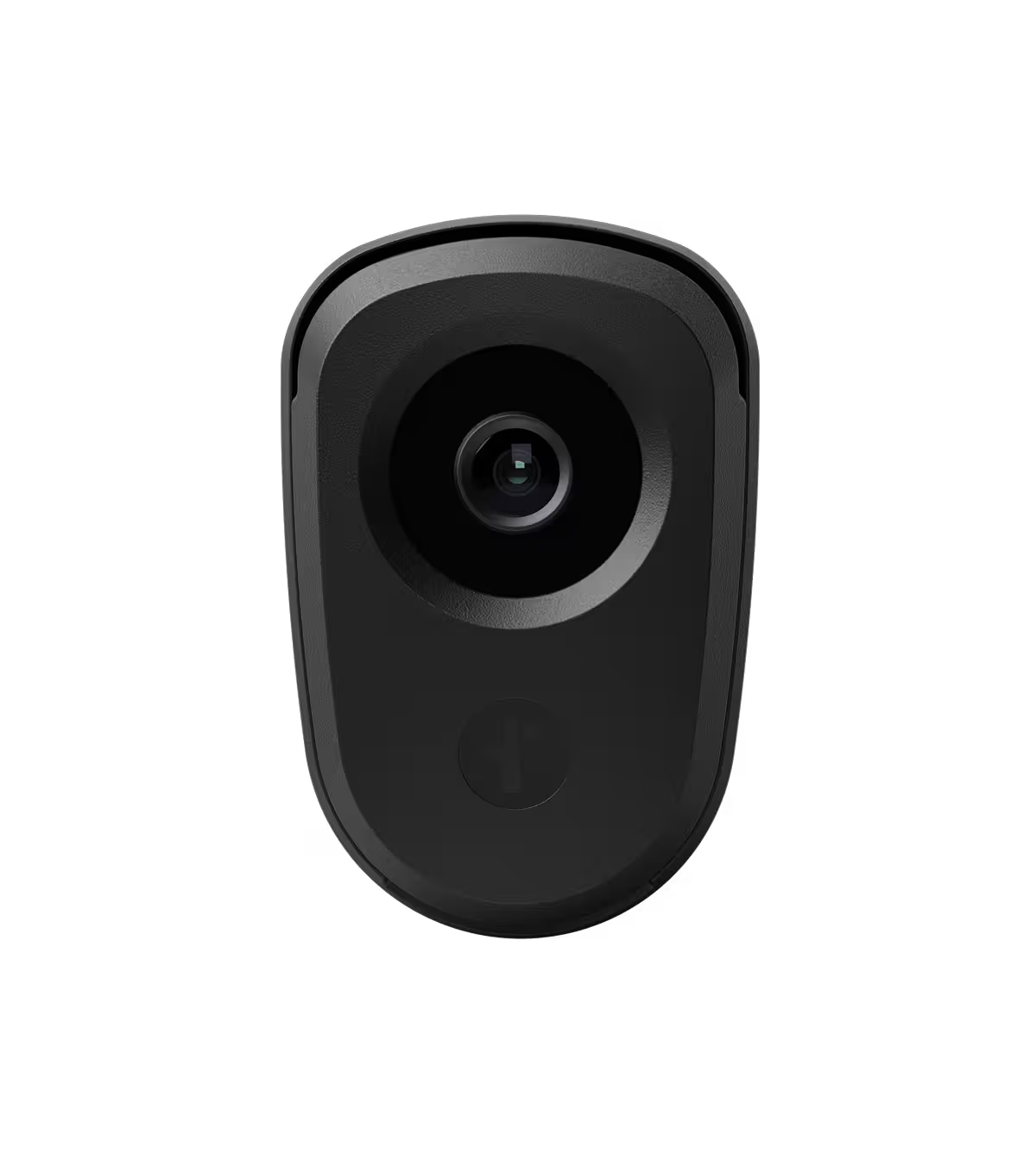


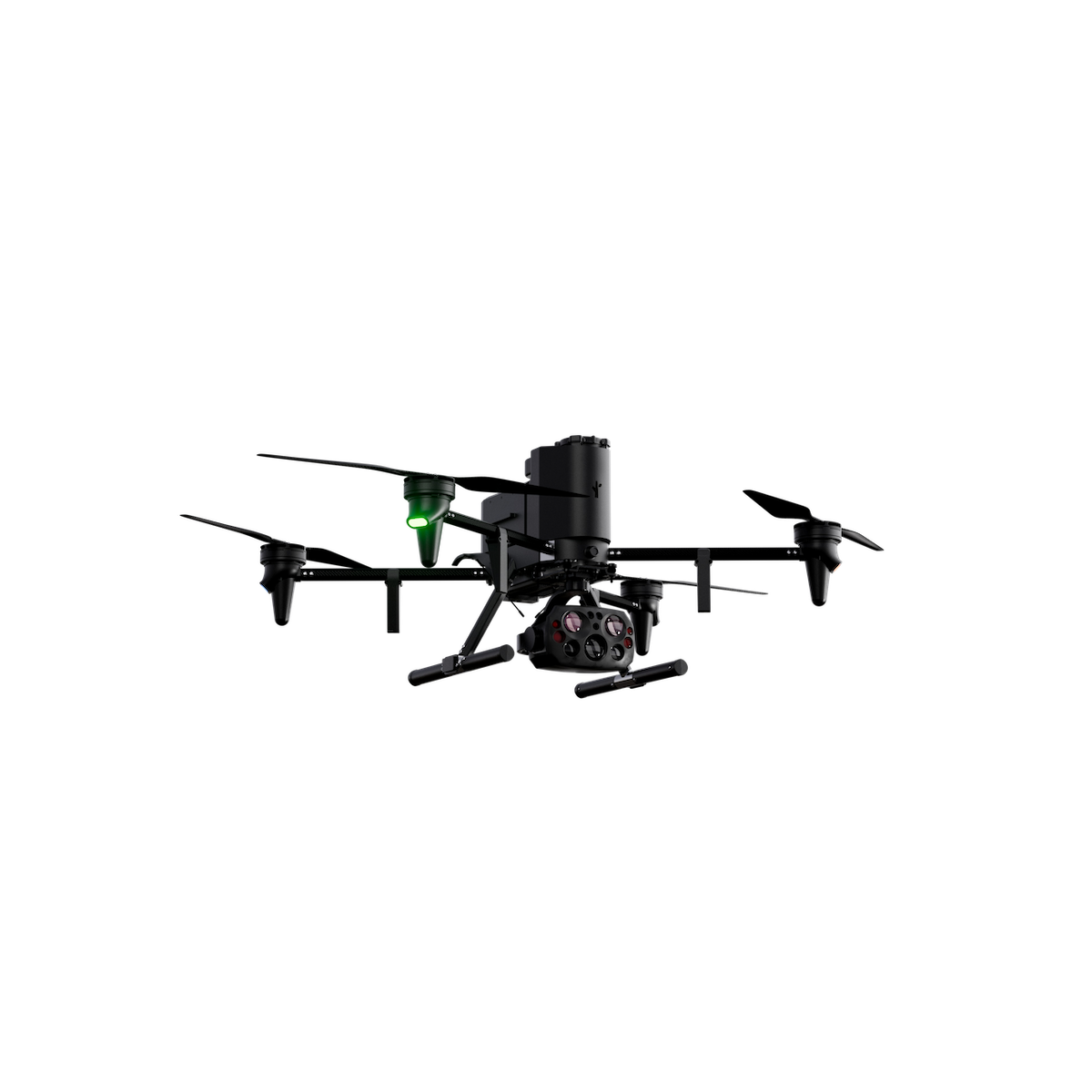

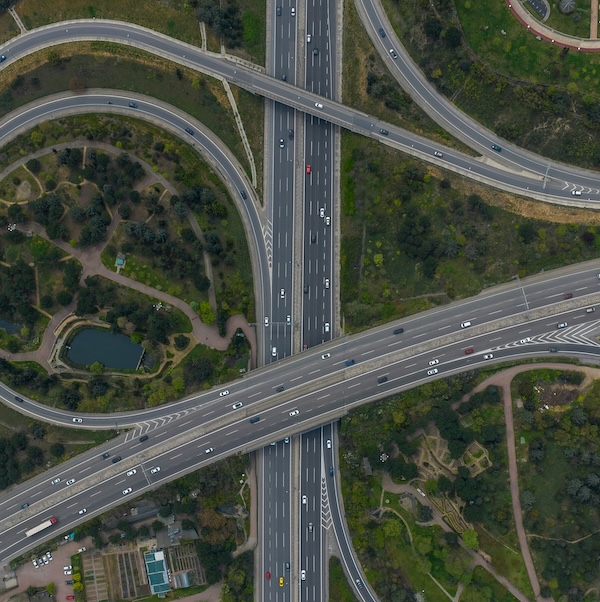
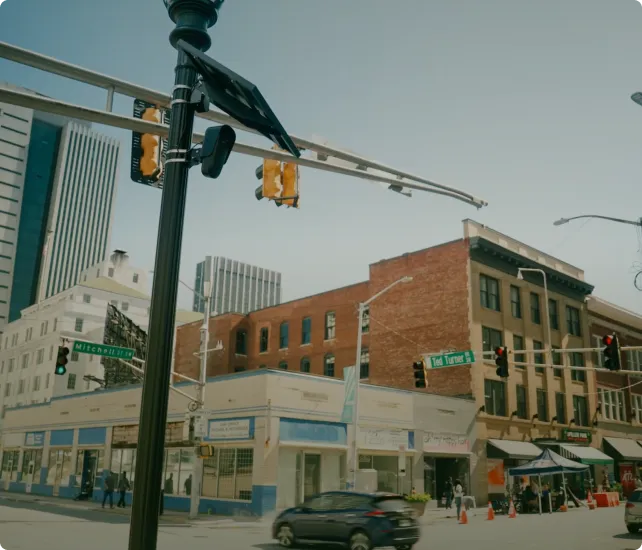


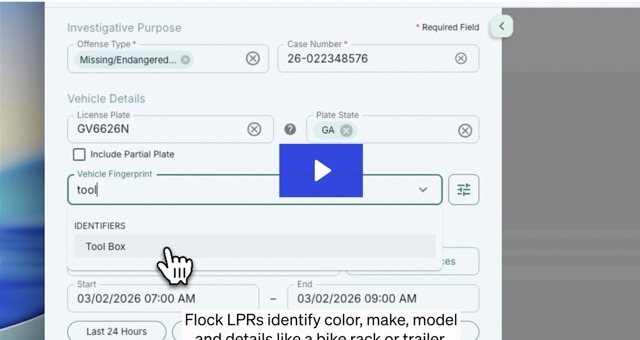


A common question about license plate reader technology is simple: what do the cameras actually capture? The short answer is that Flock cameras are designed to focus on vehicles in public view. They help identify vehicle details that may assist in investigations, such as a license plate, make, model, color, and other visible characteristics like bike racks, trailers, or toolboxes.
Just as important, Flock cameras are designed to capture what is already visible from public roads, in plain view. They focus on vehicles, not people, and they are built to help investigators identify vehicle information rather than collect personal details unrelated to a vehicle search.
What is a Flock camera?
A Flock camera is a license plate reader camera built to identify vehicle details that may help generate investigative leads. That includes the license plate, along with attributes like make, model, color, and other visible characteristics. Flock cameras are not general-purpose surveillance systems designed to identify people. They are built to focus on the vehicle involved in an incident and the details that can help distinguish it from other vehicles on the road.
This is an important distinction because a lot of misunderstanding around license plate reader technology comes from assuming the system is trying to collect as much personal information as possible. Flock is designed differently. Its purpose is to help surface vehicle evidence, not to build profiles on individuals.
Do Flock cameras use facial recognition?
No. Flock cameras do not use facial recognition.
They are built to identify vehicle information, not personal biometric data. They are not designed to search for people, scan faces, or track individuals. That distinction matters because it helps clarify what the technology is built to do and what it is not.
By focusing on vehicles rather than people, Flock supports investigations in a way that is more limited and easier to explain. The system is intended to identify visible vehicle details, not to collect biometric information or monitor individuals.
How long does Flock keep camera data?
Another important part of how the system works is data retention. The information collected is not meant to sit in a permanent database forever. By default, data automatically deletes after 7 days unless local law requires something different.
That combination is what makes the product easier to understand. Flock cameras capture vehicle details visible in public, not people. They do not use facial recognition. They do not store data indefinitely. By focusing on vehicle evidence in plain view and applying automatic deletion by default, Flock is designed to support both safety and privacy in a way that is transparent and easy to explain.


Protect What Matters Most.
Discover how communities across the country are using Flock to reduce crime and build safer neighborhoods.