
.webp)





The Newsroom






No items found
Calera, AL Police use Flock cameras to save 4 children from trafficking situation
After LA synagogue shootings, suspect tracked down, arrested in Cathedral City
The Flock Safety Media Kit

Flock Safety Logos
Access our official brand assets including primary logos, wordmarks, and approved variations.
Media Library
Explore our collection of high-resolution product images, case studies, and marketing materials.
Media FAQ
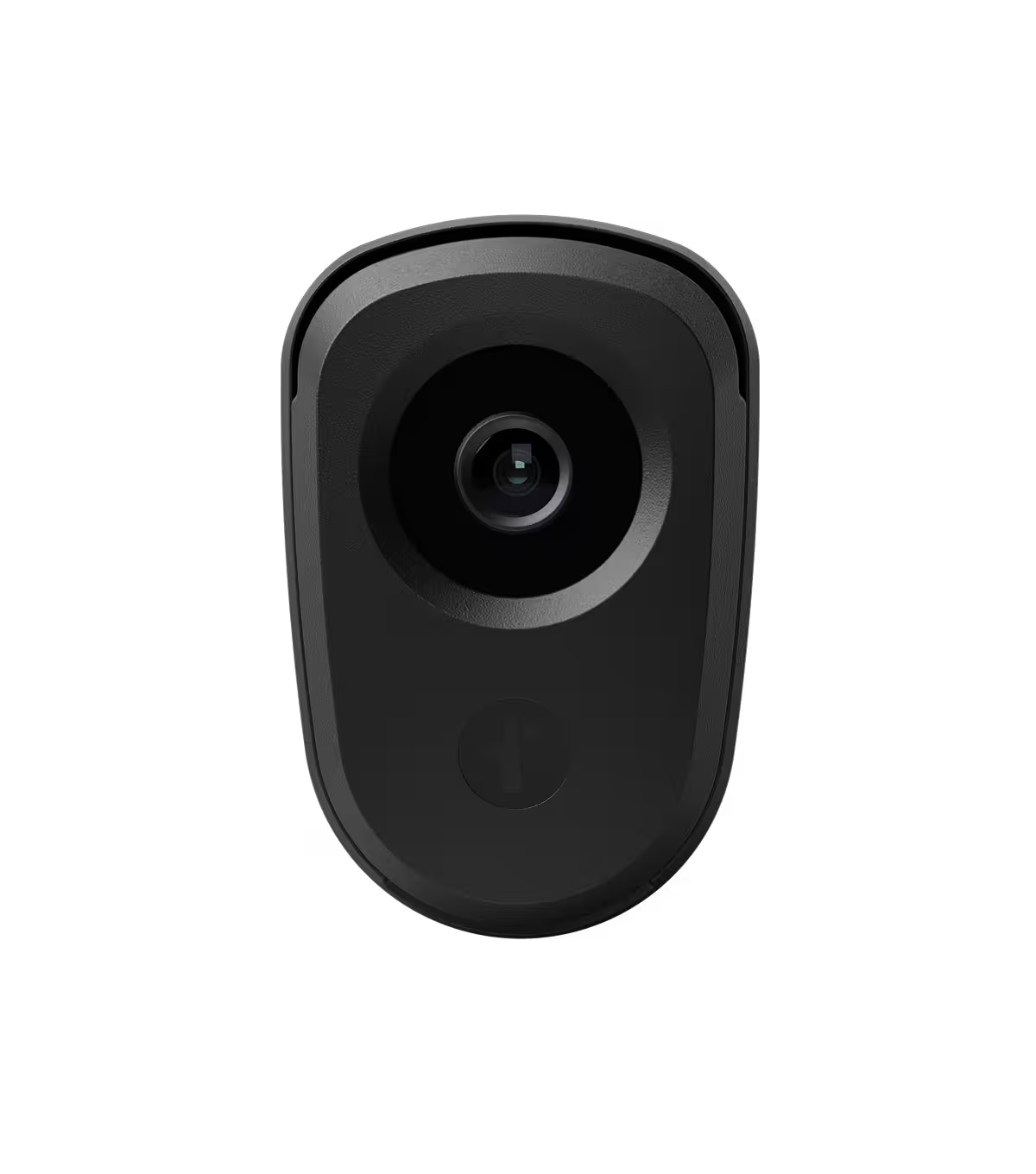
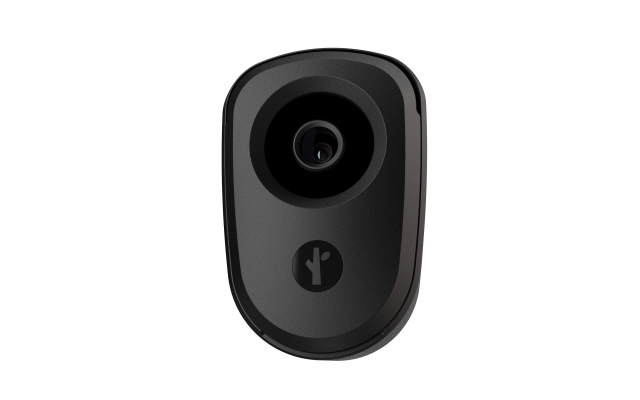
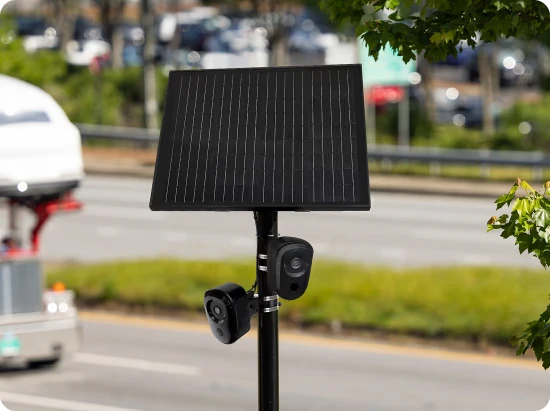
Flock license plate reader (LPR) cameras capture still, point-in-time images of vehicles visible from public roadways. The system photographs the license plate and limited vehicle characteristics, such as make, color and distinguishing features. Flock cameras do not use facial recognition, identify who is inside a vehicle, or determine the purpose of a person’s trip.
No. Flock’s LPR technology is a searchable investigative tool for specific public safety purposes, not a live-tracking system. Each image is a standalone vehicle event. Agencies own and control the data generated by their cameras, and data sharing is not enabled by default. Customers decide whether to share data, with whom and under what conditions, and can change or revoke those permissions.
More than 40 courts across the country have determined that fixed license plate readers do not violate the Fourth Amendment and cannot track the whole of an individual's movements.
Access is controlled by the customer agency through role-based permissions, organization-level controls and sharing settings. Every search requires a documented reason and creates a permanent audit record showing who searched, when and why. Private-sector users do not have access to law enforcement data. Flock does not have a contract or partnership with U.S. Immigration and Customs Enforcement (ICE).
Learn more about Flock's data access controls and audit tools
Flock has updated its recommendation and default to a seven-day retention period for new, while introducing Evidence Mode for preserving specific data tied to an active investigation. Existing customers keep their current, democratically approved retention periods, and each community continues to choose the retention period that fits its public safety strategy and applicable law. Data is automatically deleted at the end of the customer’s retention period.
Customers fully control their data and Flock does not sell data.
Misuse of Flock technology is unacceptable. Every search is auditable, and Flock’s Audit Assistance tool detects abnormal activity and flags it for administrator review. Flock has announced that Audit Assistance will be required for all law enforcement customers by the end of 2026. Flock is also implementing proactive lockout, which can automatically suspend access when activity meets defined criteria for abnormal behavior, pending administrator review. Case-code requirements for law enforcement searches are also being expanded, with emergency searches flagged for review.
Flock LPR technology helps law enforcement investigate cases involving stolen vehicles, burglaries, assaults, missing people and other serious crimes. In 2025, Flock technology supported more than one million criminal investigations and public safety incidents, assisted in an estimated 20% of solved cases in jurisdictions where it was deployed, and helped locate more than 10,000 missing people.
Communities and elected officials have the authority to evaluate public safety technology based on their policies, laws and community priorities. Flock respects those decisions and believes public safety and privacy can – and should – coexist. We participate in public forums, answer questions from residents and share information about accountability, oversight and policy controls so communities can make informed decisions.
Flock leases its cameras and manages installation, maintenance and removal. When an agreement expires or is terminated, Flock follows a defined offboarding process: platform access is disabled, cameras are remotely deactivated, and Flock works with the agency to schedule physical removal. If an agency requests that cameras be turned off before removal, Flock can deactivate them remotely at any time.
Flock strongly supports clear legislation establishing guardrails for license plate reader use. Effective frameworks should preserve law enforcement’s ability to use an important public safety tool while requiring accountability, oversight and responsible data practices. Public safety, privacy and Fourth Amendment rights can – and should – coexist, with each community helping determine the policies that reflect its laws and values.
Damaging public safety equipment is illegal and puts communities at risk, which is why Flock strongly condemns it. When a camera is taken offline, an investigative lead or time-sensitive alert may not reach the officers who need it. Flock works directly with law enforcement to investigate damaged or stolen equipment. People have every right to make their voices heard, but criminal acts should never be part of that process.
Flock does not share specifics regarding individual agency contracts, camera counts, locations or deployments. The customer agency is the best source for local deployment, policy, retention and public safety outcome information.


