
.webp)







How an Automatic License Plate Recognition System Works
Learn how an automatic license plate recognition system helps law enforcement or business security teams look for vehicle information after a safety incident occurs.

What an Automatic License Plate Recognition System Does
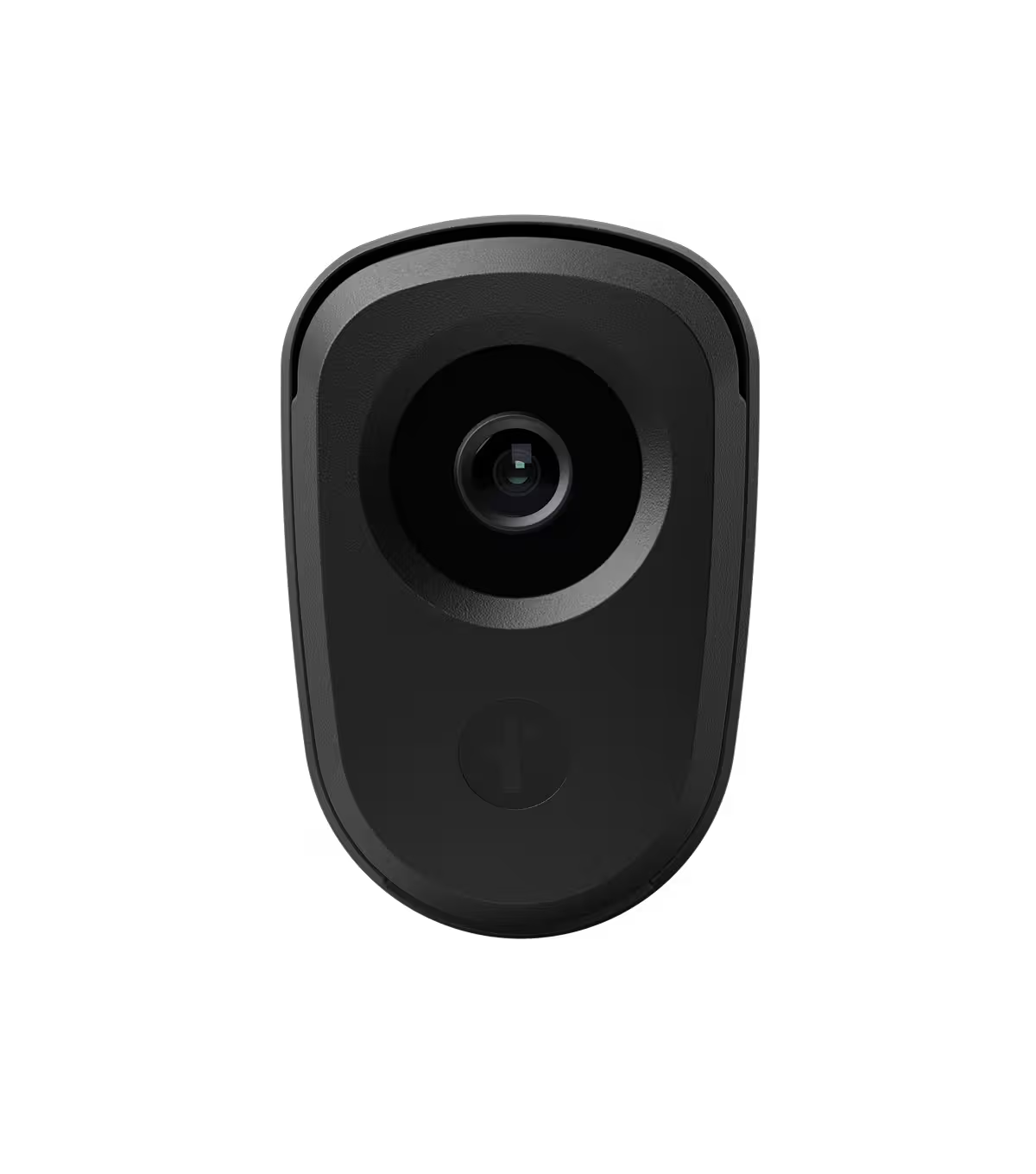
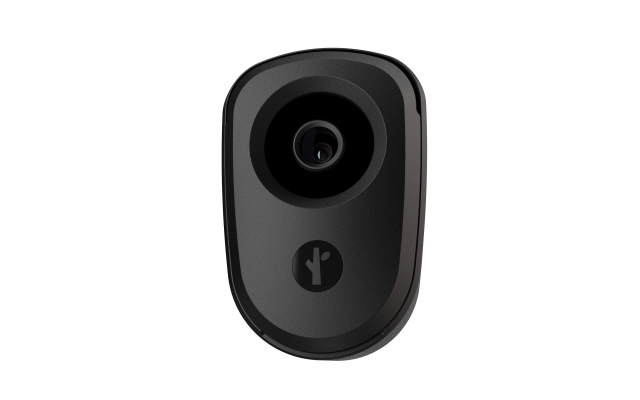
An automatic license plate recognition system helps law enforcement or business security teams look for vehicle information after a safety incident occurs. License plate reader cameras capture an image of a vehicle, then software turns the plate and supported vehicle details into searchable information.
For city councils, municipal leaders, neighborhood associations, and residents, the most important question is not whether the camera can read a plate. The important question is whether the automatic license plate recognition program has a clear purpose and complies with local laws around access, data retention, and sharing before cameras go live.
How ALPR Turns Vehicle Images Into Investigatory Leads
An automatic license plate recognition system works in a simple sequence: a camera sees a vehicle, the system reads the plate and supported vehicle details, then the record is saved with time and location.
A typical ALPR deployment process looks like this:
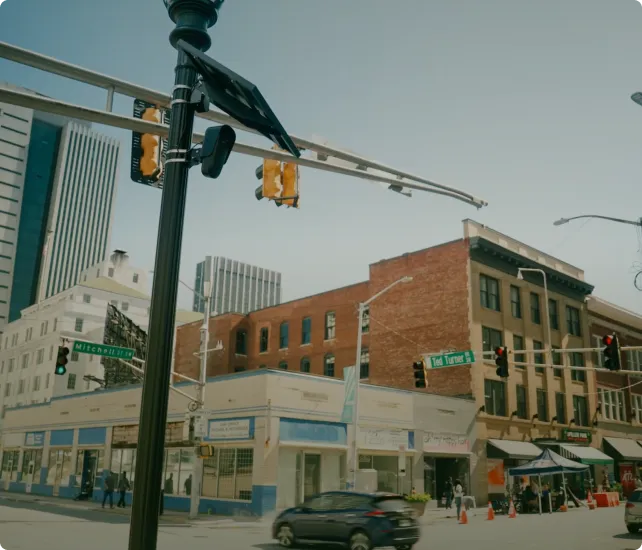
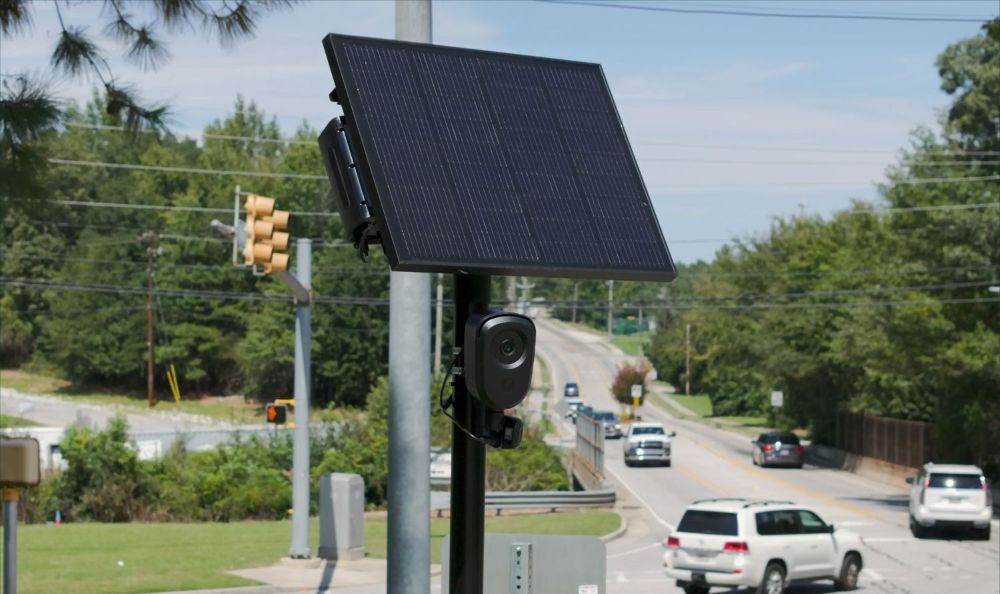
- Cameras are placed in locations such as roadways, parking lot entrances, or shared access points.
- The camera captures a vehicle image as the vehicle passes through the camera’s field of view.
- Software reads the plate and supported vehicle details, which may include make, color, body type, and distinguishing characteristics when available.
- The system adds time and location, so the detection can be searched, mapped, reviewed, or connected to a reported incident.
- Customer-configured hot lists can generate alerts for vehicles of interest, such as stolen vehicles, AMBER Alerts, active warrants, or locally defined case needs.
The system does not decide whether enforcement action should occur. An ALPR alert is a lead or a piece of evidence that requires human review, corroboration, and use under applicable law and local policy.
What ALPR Captures and What IT Does Not Capture
ALPR systems capture vehicle-related information. A typical read can include plate text, supported state information, vehicle images, time, location, and supported vehicle attributes such as make, color, body type, and distinguishing characteristics when the system can identify them.
Those details matter because incidents often start with incomplete information. A person may remember a dark SUV, a partial plate, a certain direction of travel, or a rough time window. ALPR can help authorized reviewers compare those details against vehicle detections and decide what deserves additional review.
ALPR data is not the same as a personal identity record. It is not tied to names, dates of birth, Social Security numbers, or addresses. Flock’s ALPR has no facial recognition technology, and Flock ALPR cameras are not used for monitoring speed or issuing traffic citations. Flock does not sell customer data, and customers control whether and how their data is shared.
Flock addresses common ALPR concerns directly in "Does Flock Enable Mass Surveillance?" and the license plate reader myths guide.
How ALPR Can Support City and Public Safety Work
ALPR is most useful when it is tied to a defined safety need. Cities and communities may use ALPR to alert public safety teams to vehicles of interest, or support review after a reported incident.
Common uses include:
- Logging vehicle activity at roadways, parking lot entrances, neighborhood access points, business corridors, and other priority locations.
- Sending real-time alerts when a vehicle on a customer-configured hot list is detected by LPR cameras.
- Searching detections after an incident using a plate, partial plate, vehicle description, time window, or location.
- Adding case notes, reports, or photos to custom hot list alerts when policy allows, so reviewers understand why an alert matters.
- Coordinating across agencies, neighborhoods, businesses, and law enforcement partners under defined data-sharing rules.
For a city manager, ALPR can reduce the time teams spend reviewing disconnected footage. For a neighborhood association, ALPR can provide vehicle evidence after an incident without asking residents to confront people directly. For local businesses, ALPR can help connect activity outside a property to a reported theft, break-in, or safety concern. The purpose is better vehicle evidence and faster review.
How Communities Should Govern ALPR Data
Responsible ALPR deployment starts before the first camera is installed. Public officials and community stakeholders should be able to explain why the system is being used, who can access the data, how long detections are kept, when sharing is allowed, and how misuse is detected and addressed.
A practical governance review should answer:
- Who may access ALPR system data, alerts, and searches
- What training is required before access is granted
- What context is required for each query
- How long vehicle data is retained
- How access, searches, alerts, and sharing are audited
- When data may be shared with another agency or partner, and who approves it
- How law enforcement access works when a private or community customer owns the data
- How alert matches and possible false positives are reviewed before follow-up
- How residents are informed about purpose, placement, retention, oversight, and limits
- How the program aligns with state law, local ordinance, agency policy, and community expectations
Flock data is automatically deleted after 7 days by default, unless a different retention period is required by the customer. Customers own their data, and Flock does not share it without authorization. Searches require documented reasons, and use of the system can be reviewed through audit trails.
State and local rules may add additional requirements. Flock’s explanation of SB40 and ALPR use in New Mexico shows how one statewide framework addresses ALPR collection, sharing, retention, access, and prohibited uses.
What Deployment Involves
Deploying an automatic license plate recognition system is a planning exercise, not just a camera purchase. The right plan starts with the safety question the community is trying to answer, then places cameras only where vehicle detections can support that purpose.
A deployment plan should cover:
- Coverage planning, including where cameras should be placed and where they should not be placed
- Power and connectivity options
- Integration with existing safety or security processes, including alert review and evidence sharing
- Implementation and maintenance expectations, including installation, support, and system health
- User training and administrator responsibilities
- Public communication, including how residents or stakeholders will understand what the system does and what limits apply
What to Evaluate Before Choosing an ALPR System
Choosing an ALPR system should come down to whether the system is accurate and compliant with local policy. Plate reads matter, but a system also needs to help people review results carefully and explain how the program is governed.
Evaluation criteria should include:
- Vehicle identification beyond plate text, including supported attributes such as make, color, body type, and distinguishing traits
- Performance when plates are temporary, partial, obscured, missing, covered, or swapped
- Day and night reliability, including low-light and no-light image performance
- Search and alert usability for people who need to work quickly
- Integrations with existing tools
- Installation expectations, maintenance, support, and system health monitoring
- Training, permissions, auditability, retention settings, and sharing limits
- Public-facing resources that help residents understand purpose, policy, and safeguards
How Flock Supports Responsible ALPR Usage
The Flock platform connects ALPR data with investigation, response, and governance tools so teams can work from clearer evidence and documented controls. Capabilities include:
- LPR detections that convert vehicle images into searchable data for investigative and security use.
- Real-time alerts when customer-configured hot lists detect vehicles of interest.
- Vehicle identification using supported attributes beyond plate text, including make, color, body type, and distinguishing traits where available.
- Search tools that can support partial information, vehicle descriptions, and reviewable case context.
- Governance controls that support permissions, retention settings, audit trails, sharing rules, and policy-aligned use.
Flock gives customers the tools to run ALPR programs with clearer context and stronger accountability. Customers remain responsible for using the technology according to applicable laws, policies, and their own oversight requirements.
To evaluate an ALPR deployment for a city, neighborhood, business, or community setting, talk with Flock or explore the broader Flock public safety platform.
FAQs
What Does an Automatic License Plate Recognition System Not Capture?
An automatic license plate recognition system captures vehicle-related data, including plate text, time, location, and vehicle attributes such as make, color, body type, and distinguishing characteristics when available. The Flock license plate reader cameras overview explains how vehicle data becomes searchable vehicle evidence. Flock's automatic license plate recognition system does not identify drivers or passengers, use facial recognition, record conversations, track phones, determine immigration status, or make enforcement decisions on its own. Flock's ALPR data is not tied to names, dates of birth, Social Security numbers, or addresses.
How Accurate Are ALPR Systems, and What Affects False Positives?
ALPR accuracy depends on whether the camera can get a clear vehicle image. Plate visibility, lighting, camera placement, vehicle speed, weather, plate condition, and the review process can all affect results. Flock’s LPR achieves over 98% plate capture, over 96% OCR accuracy, and over 97% plate-state accuracy. An ALPR read should be treated as an investigative lead that requires human review and corroboration, not as a standalone basis for enforcement action. Flock addresses related misconceptions in its license plate reader myths guide.
What Does ALPR Deployment Involve for a city, community, neighborhood, or business?
ALPR deployment involves deciding where cameras belong, how they will be powered and connected, who can use the system, how alerts will be reviewed, how data will be retained, and how the public will understand the program. Cost depends on coverage needs, camera quantity, placement, deployment model, software capabilities, integrations, maintenance, and support.
How Should Communities Govern ALPR Data Access, Retention, and Sharing?
Communities should set clear rules for who can access ALPR detections, what search reasons are required, how long data is retained, how use is audited, when sharing is allowed, and how residents are informed. Flock data is automatically deleted after 7 days by default unless a different retention period is required by the customer. Customers own their data and control sharing. Flock’s discussion of SB40 and ALPR use in New Mexico shows how formal policy can define those responsibilities.


Protect What Matters Most.
Discover how communities across the country are using Flock to reduce crime and build safer neighborhoods.