
.webp)









How Lavon PD Maintains High Performance Despite Staffing Challenges
Lavon PD is handling a growing workload with roughly half the recommended staffing by using Flock LPR and Nova to reduce manual investigative work, improve cross-jurisdiction collaboration, and give officers faster access to case context and vehicle leads.

Results
- About 1.3 officer per 1,000 residents handling a workload that exceeds typical staffing expectations for an agency of similar size
- Helped investigators compare vehicle leads across nearby jurisdictions, leading to a homicide surrender, burglary recovery, and multiple felony arrests
- Removed hours of manual searching, cross-checking, and phone calls between agencies from daily case work
Agency Snapshot
Location: Lavon, Texas
Setting: Fast-growing suburb on the edge of the Dallas-Fort Worth metro. A major roadway runs through the city. A suspect vehicle can hit a neighborhood and be on Highway 78 within minutes.
Crime mix: Mostly theft, car break-ins, and burglary, with some violent incidents
Staffing reality: About 1.3 officers per 1,000 residents. Most departments aim for closer to 2.21.
The Situation
As the population grew, calls for service increased. Staffing did not keep pace.
A typical case required jumping between systems, checking plates one at a time, and calling other agencies to confirm details. By the time officers had a solid lead, the vehicle was often gone.
Information was split across different systems. Patrol, dispatch, and investigators were often working from partial context, which slowed response and made case work harder than it needed to be.
What Changed
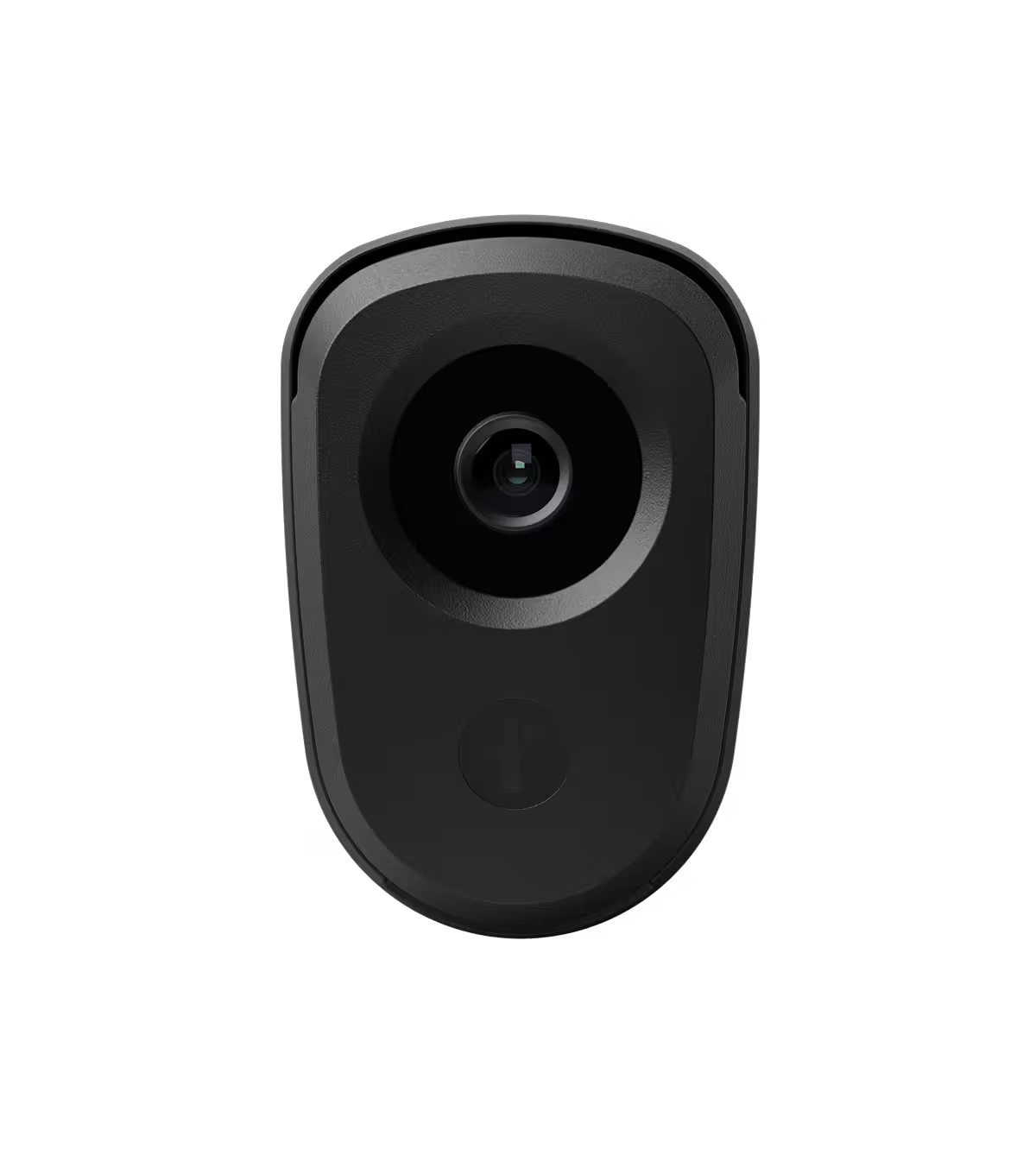
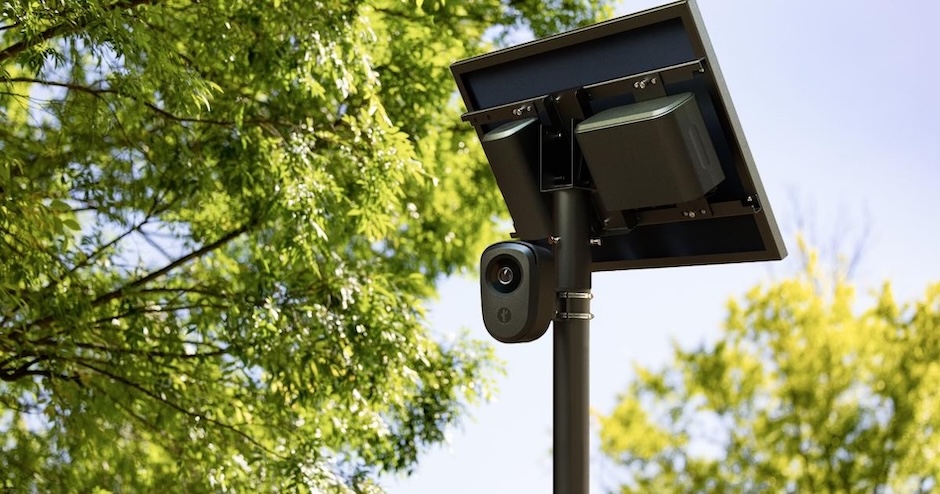
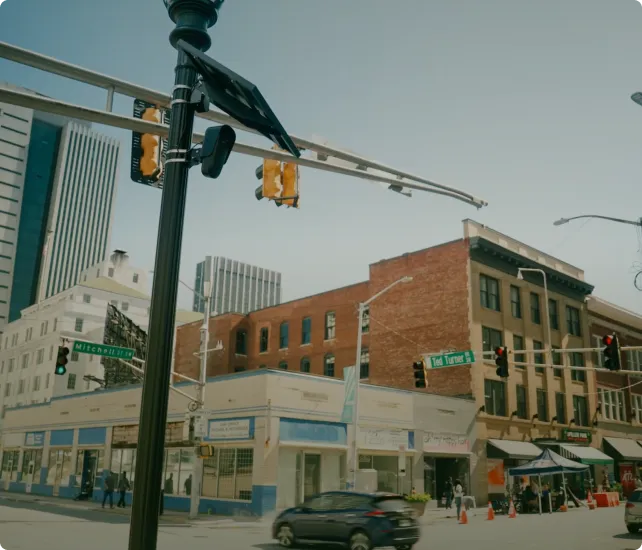
Lavon PD deployed Flock LPR across Lavon, including along State Highway 78, and started using Flock Nova to help officers move faster with the systems they already use.
Nova helps officers review case-relevant information from existing systems in one place, allowing them to develop leads more efficiently without replacing officer judgment. That gives patrol and investigators more context sooner, without forcing them to switch between separate tools or rebuild the case by hand.
Officers can search vehicle data, confirm leads, and check related case information across nearby jurisdictions without switching between tools or waiting on another agency.
All technology use is governed by department policy, including strict requirements for training, audit logging, and verification of any system-generated leads prior to enforcement action.
What That Looks Like on a Shift
- A plate tied to a case can be checked quickly without logging into multiple systems
- Investigators can compare vehicle leads across nearby jurisdictions without waiting on another agency
- Less time is spent chasing leads that go nowhere
- Officers have more context before approaching a situation in the field
- Officers can move from a question to a usable lead much faster.
Case Examples
Note: examples below are summarized and do not include identifying details.
Homicide investigation: Investigators identified a vehicle connected to a suspect and worked with another agency, leading to a surrender
Burglary pattern: The same vehicle was tied to incidents across construction sites, helping connect cases and narrow the investigation
Felony warrants: Alerts helped officers find and arrest individuals with multiple outstanding warrants moving through the area
Regional burglary ring: Detectives connected vehicle patterns across cities and helped recover stolen property
Hit-and-run: A suspect who left the scene was identified and located
Runaway: Officers used available case information to locate a runaway juvenile and ensure a safe return
Working Short-Handed
Lavon operates well below recommended staffing levels. While staffing remains a challenge, the department has focused on improving efficiency and reducing time spent on manual processes.
The department focused on cutting out the slow parts of the job. Officers are not spending hours confirming basic details or switching between systems.
The team is handling a full workload with the staff they already have.
As Lt. Vargas put it: “It’s just a tool, like a sidearm in a holster. It doesn’t do the job for you, and it’s not going to replace the officer. But like any tool, you have to have the right policies, training, and accountability around how it’s used. That responsibility falls on the agency. If you don’t have those things in place, any tool can be misused. The key is making sure you have oversight and quality control, so you know your officers are using it the right way.”

Officer Awareness in the Field
During wellness checks, officers often have limited information before approaching a home.
With Nova, supervisors can provide nearby contacts or neighbors. A quick conversation can help officers understand what may be happening before they enter.
This added context helps officers assess risk and choose the right approach that keeps everyone safe.
Takeaway
Lavon PD needed to keep up with growth using limited staff. By helping officers and investigators work from the same case context, Lavon can move faster without adding complexity or replacing the systems already in place.


Protect What Matters Most.
Discover how communities across the country are using Flock to reduce crime and build safer neighborhoods.