
.webp)






.jpeg)


Safety Is a Fundamental Right

Scalable, accountable public safety technology can help cities solve more crime, reduce bias, and make safety a universal right, without forcing a trade-off between safety and privacy.
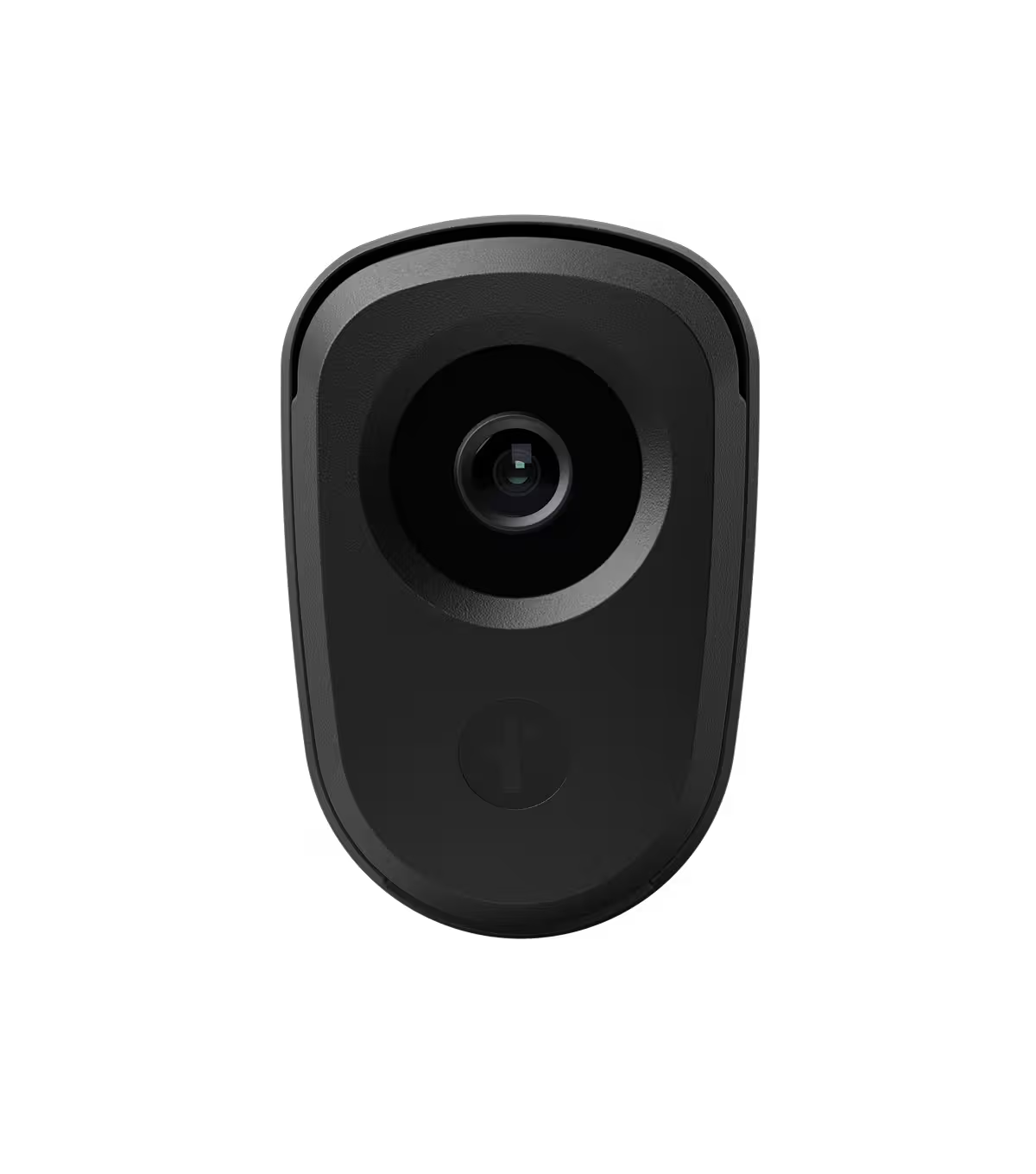
- Flock builds the cameras, drones, and software that operate in thousands of American cities.
- Last year, Flock technology supported more than 1 million criminal cases and helped law enforcement find over 10,000 missing people.
- In cities where Flock is deployed, our tools are used in approx. 20% of solved crimes.
- More than 30 federal and state courts have ruled the technology constitutional. The highest profile was the recent federal ruling out of Norfolk in January.
- Cities own the data. Not Flock. Default retention is 7 days. Every search is logged.
- The greatest deterrent to crime isn't the severity of the punishment. It's the certainty of being caught. That's the equation we're changing.
- Safety should not be a privilege of the wealthy.
How was Flock started?
Nine years ago, I lived in a neighborhood in Atlanta where crime was ticking up. People were breaking into cars and pulling firearms out of glove boxes. Nobody seemed able to do anything about it.
A police major told me something I've never forgotten: more than 70 percent of crime involves a vehicle, and most of those crimes go unsolved because police rarely have the license plate.
So I did what engineers do. I built a system to find the plate. A few months later, it worked, and that was the beginning of Flock.
What does Flock do today?
Flock is now a connected system of license plate readers, video cameras, Gunshot Detection, and drones operating in thousands of American cities. Last year, Flock’s technology supported solving more than 1 million criminal cases, including locating the Brown University shooting suspect. In the cities where we're deployed, roughly 1 in 5 solved crimes is closed with help from Flock. Over 10,000 missing people were found last year using Flock’s system.
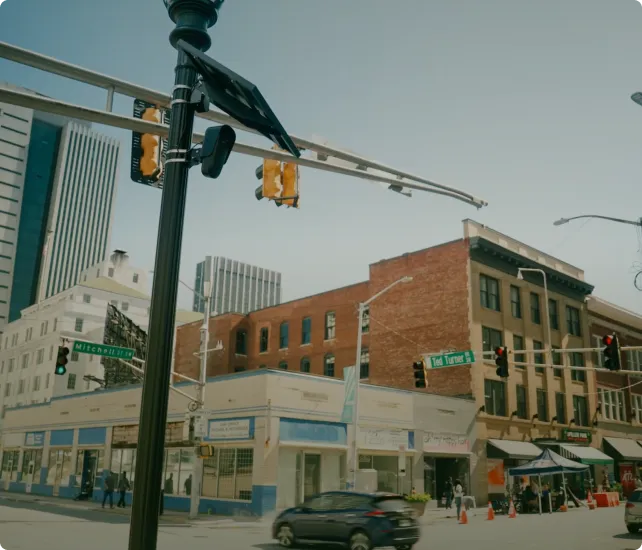
When a vehicle passes one of Flock’s cameras, it captures a vehicle signature: plate, make, model, and color. Police use that, alongside other real-time evidence, to close the case. The concept is simple. Customers compare its impact to the introduction of DNA evidence. It's a genuine shift in how policing works.
Subjective policing vs. objective policing
A police chief recently described to me how his department actually worked before Flock. Officers drove through neighborhoods looking for "suspicious activity." But suspicious activity is subjective. It depends on who is looking, who they are looking at, and where. Innocent people get pulled over and questioned for nothing - and as a society, we have to reduce bias.
Flock changes the input. Instead of an officer's hunch, the trigger is a specific vehicle described in a specific case. It's objective, factual, and fast.
The difference between the subjective policing of the past and the objective policing of the future is whether you're stopping a person on a hunch or a vehicle on evidence.
That's a meaningful shift for anyone who cares about civil liberties, including the people most often on the receiving end of bias.
A real case: 21 minutes from 911 call to clean arrest
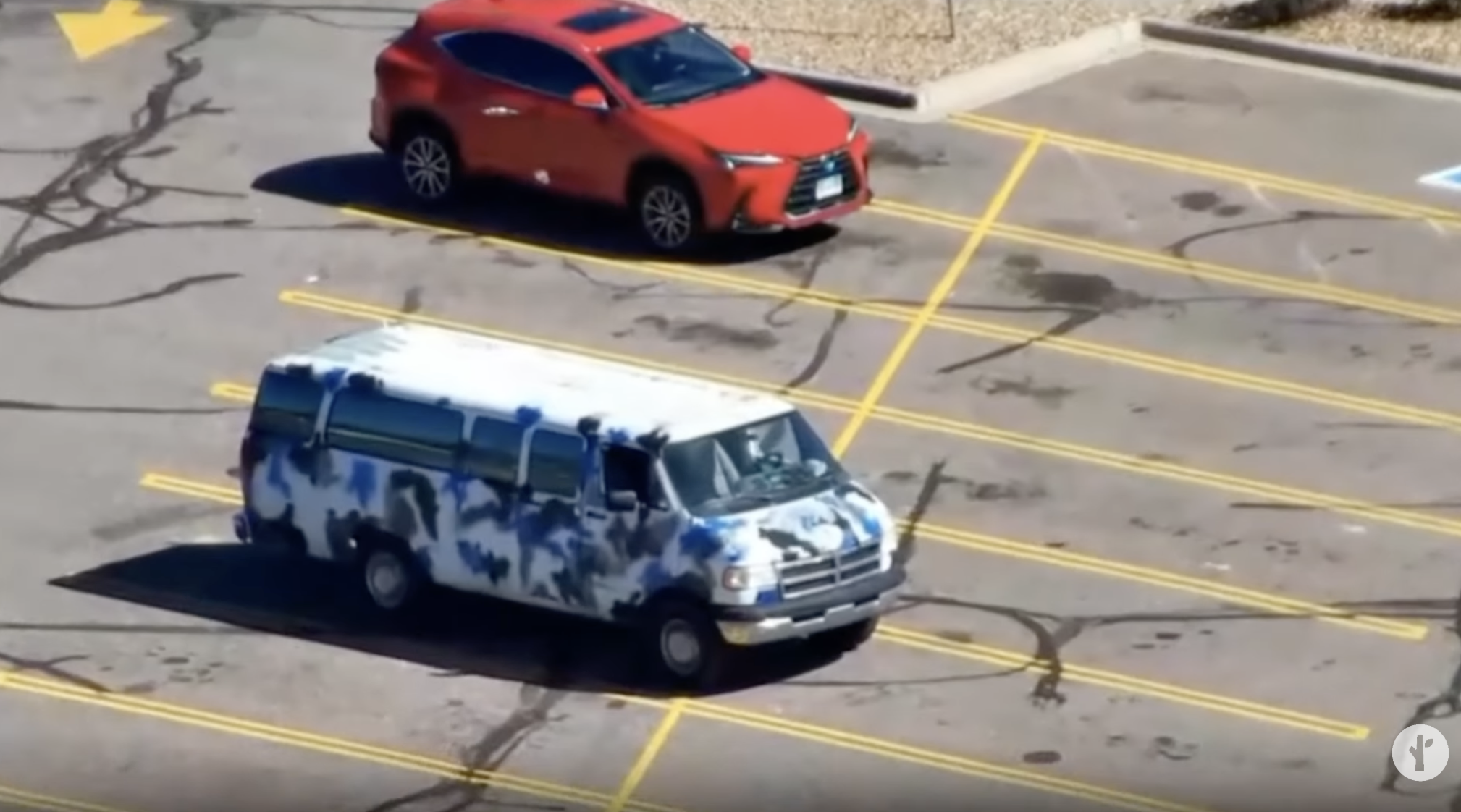
In a suburb of Colorado, a Levi's store was robbed. The suspect fled in a white van that had been hand-painted in black and blue. It looked, genuinely, like a cow.
A piece of advice: don't commit a crime in a vehicle that looks like a cow.
The 911 call was live-streamed into the local Real-Time Crime Center. While dispatch was still on the phone, two things happened in parallel:
- A "Freeform" alert went out to every Flock camera within a few miles, looking for a "white van, black and blue cow spray paint."
- A drone launched with one click. It was over the scene within a minute.
Minutes later, the alert was activated. The van was pulling into a strip mall less than a mile away. The suspect was preparing for another robbery.
In the old model, the responding officers would have arrived blind. Is the suspect armed? Are bystanders in danger? Nobody knows. That's how things go wrong.
This time, the drone was already overhead. Officers approached safely. Clean arrest. No escalation, no injuries.
Start to finish: 21 minutes.
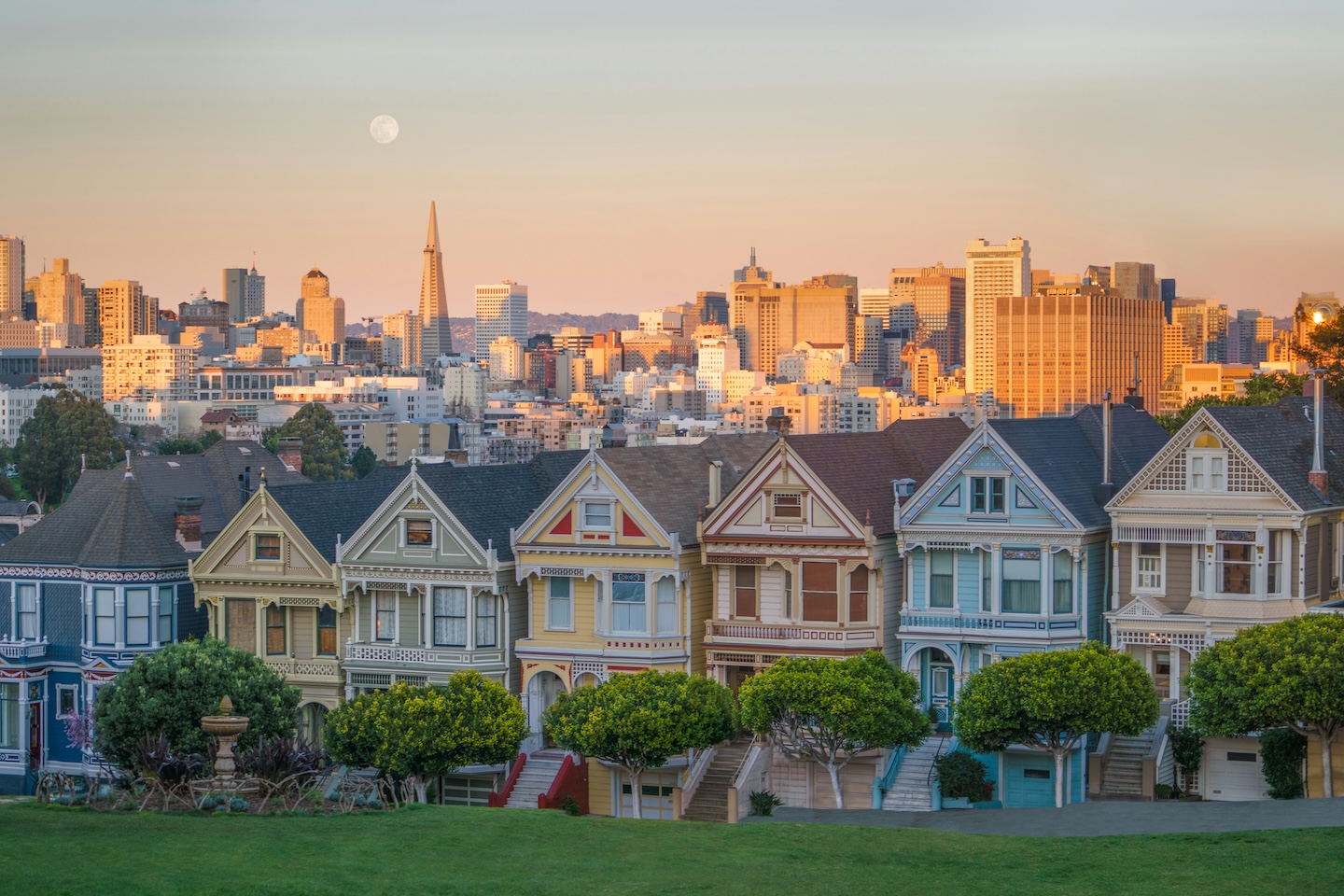
What becomes possible when San Francisco uses Flock citywide?
Now scale that up to a city.
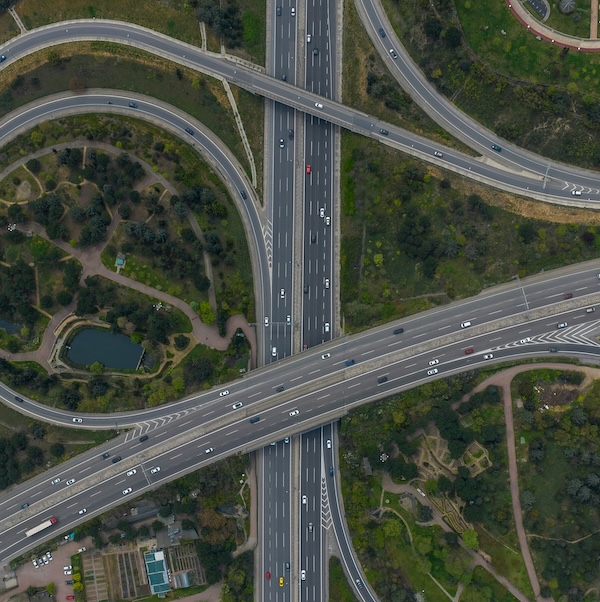
San Francisco uses most of Flock's technology. In 2025, crime fell 25 percent in a single year. Homicides hit their lowest level in 70 years.
Mayor Daniel Lurie called the city's fusion of sensors "a turning point for public safety in San Francisco." Talk to anyone who lives there, and you'll hear it more bluntly: the city changed in the span of a year.
Flock has come a long way from its humble beginnings. When a reputable tech publication wrote about our seed funding with the headline "snitching-ass startup raises $10 million,” we had that one framed.
It's a useful reminder. Not everyone has welcomed what we do. The criticism is real, and I take it seriously. So below are the three hardest questions, answered head-on.
The three hard questions
Is Flock constitutional?
Yes.
More than 30 federal and state courts have examined the constitutionality of license plate readers in the last two years. Every one of them reached the same conclusion. The most recent, a federal ruling out of Norfolk in January 2026, was unambiguous.
The legal logic is straightforward. License plate readers capture a single moment in time. They're not following you. They see a vehicle pass a fixed point, which is the same thing a police officer standing on the street would see.
Thirty courts have now agreed: it's constitutional.
Does Flock protect my privacy rights?
Yes. Flock protects your privacy rights by building limits into the system, giving local agencies control, and maintaining accountability by making usage reviewable.
This is the question we obsess over inside the company.
Cities own the data, not Flock. When a city contracts with us, the data belongs to them. We're the infrastructure. They're the custodian.
Default retention is 7 days. After that, the data is automatically and permanently deleted. Some jurisdictions extend that window because of state law or evidentiary requirements, but the default is 30.
Every search is logged and immutable. If an officer runs a plate, there's an auditable record of who searched, when, and why. Last year, a small number of law enforcement officers were arrested for misusing the system, mostly to track an ex-partner. That's awful, and it reflects poorly on the entire industry. In each case, our own audit logs surfaced the misuse. Those officers are now facing criminal charges because of the system we built.
Sharing is the city's call, not ours. I hear concerns about agencies sharing data across county or state lines. Consider the scale: the UK has 45 police forces, Australia has 8, and France has 2. The United States has roughly 18,000. Without the ability to share data across jurisdictions, criminals cross a county line and disappear. But who shares with whom is decided by the customer. Federal access is opt-in, transparent, and never automatic.
Cities own their data. Default retention is 7 days. Every search is permanently logged. Federal access is opt-in, transparent, and never automatic.
Flock does not work with Palantir. Palantir has no relationship with Flock and has no access to any Flock customer data. Unlike predictive policing platforms, Flock is purpose-built for local agencies with strict data ownership, 7-day default retention, and full auditability.
For the document-by-document version of how this works, our Trust Hub lays it out in full.
Is Flock mass surveillance?
No. Flock technology is not mass surveillance.
This is the question I've sat with the longest. The phrase mass surveillance is alarming. It alarms me too.
Every person reading this can be tracked, in real time, to within a few feet by the phone in their pocket. That's how phones work. The conversation about what the state can observe in public space is real and worth having, and we don't pretend otherwise.
The trade-off, though, has to be discussed honestly. How many children, like the 11-year-old girl in Tennessee whose grandmother woke up to an empty bedroom one morning, are we willing to lose because we don't want a fixed camera to capture license plates in a public space?
That girl is alive today because a detective ran a single search on a Flock camera, matched a license plate to a registered sex offender, and intercepted the vehicle at the last possible intersection inside his jurisdiction. She was in the back of the car, bound, alive. All of the tools needed to assault and dispose of her were waiting at the suspect's house.
She is one of more than 10,000 missing people who were found last year using Flock.
That outcome happens in this country every day. It's what opponents of the technology rarely talk about: the trafficking ring in Detroit, the abducted child, the domestic violence intervention, the hate crime, the hit and run.
We trust local police with firearms and tasers. If we're not willing to trust them with cameras that read license plates in public, we have to be honest about what we actually believe about the institutions we've built.
Everyone deserves to be safe
Two countries on opposite ends of a spectrum.
South Africa has more than 600,000 private security guards, more than its police and military combined. The wealthy live behind nine-foot walls and electric fences. Safety exists if you can afford it. If you can't, crime is the cost of being alive.
Tokyo, Japan, is a city of 37 million people that records a few dozen homicides a year. You can walk through Shibuya at 2 a.m. without thinking twice. Safety in Tokyo isn't a privilege of the wealthy. It's a baseline.
The United States sits between those poles. We have law enforcement infrastructure. We have the will. What we have never had is a serious commitment to safety as a right.
When a community pulls back on public safety, the affluent pay no real price. They hire private security or move. The cost lands, every time, in the neighborhoods that can't afford to opt out.
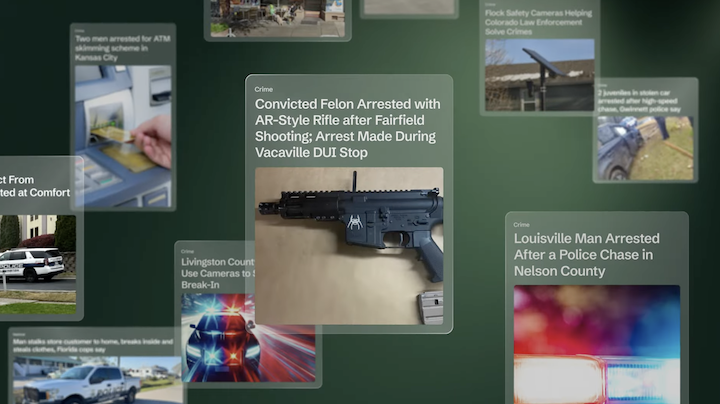
What is the greatest deterrent to crime?
Why do people commit crimes, and how do you prevent them?
Fifty years of criminology research keep reaching the same conclusion:
The greatest deterrent to crime isn't the severity of the punishment. It's the certainty of being caught.
When people believe they'll be caught, they don't make the attempt. That's the equation we're changing.
If we build this technology right, with accountability, transparency, and a genuine commitment to civil liberty, the trade-off between safety and freedom isn't actually a trade-off. We can have both.
That's what we're working toward: an environment where crime is unsustainable, and where the people most often left behind by public safety can finally be brought into it.
All of it rests on a single premise.
Safety is a fundamental right for everyone.
Every community in America deserves to feel safe, not just the ones that can afford to wall themselves off from the rest. That's the standard we hold ourselves to. If you want to see how we're holding ourselves accountable to it, including the audit logs, the misuse cases we've surfaced, the policies we've changed, and the things we still have to get better at, all of it lives on our Trust Hub.
The criticism made us better. We expect more of it, and we'll keep showing our work.
.jpg)
Garrett Langley is the founder and CEO of Flock, the public safety technology company helping thousands of American cities reduce crime. He started Flock in 2017 in Atlanta. He still lives there.
For more on how Flock works, our policies, and the data behind everything in this post, visit flocksafety.com/trust.
References
Everyone Deserves to Be Safe:
Crime Deterrence:
Additional References:
- Opening case
- Crime Clearance:
- Number of Law Enforcement Agencies
Photo Credit
Open Business: Tim Mossholder via Unsplash Studios
San Francisco: Joshua Sortino via Unsplash Studios
Park Picnic: Ben Duchac via Unsplash Studios


Protect What Matters Most.
Discover how communities across the country are using Flock to reduce crime and build safer neighborhoods.