







Retail Crime Is a Worker Safety Issue: What Security Teams Need to Know
Retail theft is declining overall, but the repeat and organized crime that remains is putting frontline employees at risk, so security teams need shared, actionable awareness of patterns rather than relying on associates to intervene.

Retail theft is down, but recent studies show customer-facing employees are reporting growing customer aggression. Shoplifting incidents declined in 2025, yet the remaining theft is more concentrated, with retailers reporting more repeat offenders and organized retail crime. At the same time, a survey of frontline workers found that most have experienced customer aggression serious enough that they’ve considered leaving their job.
For loss prevention and asset protection teams, these findings suggest this approach: treat repeat and aggressive behavior as a safety issue. It is an employee safety issue, not just a merchandise-loss issue.
What trends are frontline workers reporting in retail theft?
There is encouraging news. The National Retail Federation’s Impact of Retail Theft & Violence 2026 report, produced with the Loss Prevention Research Council, found that retailers saw a 12.4% decrease in shoplifting incidents and an 8.1% decline in merchandise theft in 2025 compared with 2024. The NRF credits investments in technology and employee training for helping stabilize in-store theft (NRF press release).
But the remaining activity is more concentrated and organized. Retailers reported higher rates of repeat offenders (50%), organized retail crime (ORC)-related incidents (40%), and walkout or pushout theft (37%). In response, retailers are investing in management training (72%), employee training (65%), and risk-intelligence technologies (61%).
A TheStreet article pairs those findings with a second data set focused on the frontline experience. HALOS surveyed 2,500 customer-facing workers in the US and UK in April 2026, across retail, hospitality, transport, logistics, and private security. It found that:
- Two-thirds of frontline workers have experienced customer aggression severe enough that they’ve considered leaving their job.
- 57% experienced customer abuse, or know a colleague who did, in a typical four-week period.
- Nearly 40% say customer aggression has increased over the past 12 months.
- Nearly two in five say abuse is treated as “just part of the job” where they work.
The HALOS survey broadly covers customer aggression, including industries beyond retail. Even so, it describes the daily experience of people working the stores, parking lots, and entrances where repeat theft and aggressive behavior can occur.
How does repeat retail theft affect employee safety?
Repeat activity brings familiarity along with the loss. Employees may recognize the person, anticipate the visit, and feel anxious before a shift even starts. Over time, a pattern of incidents at one location shapes how associates feel about coming to work, and it influences decisions about staffing, scheduling, and store layout.
That is why employee safety and loss prevention draw on the same information. The incidents that worry your associates are often the ones your investigators are trying to connect. A shared picture of repeat activity serves both groups.
Why shouldn’t retail employees intervene in theft?
When a situation escalates, the instinct inside a store is often to have someone step in. But associates aren’t trained as security officers, and a confrontation can escalate quickly. Most retailers have policies that direct employees to disengage rather than intervene.
The harder question is what happens next, and whether your team can act on what was captured without asking anyone to take that risk. The HALOS data shows what it costs to leave that question open:
- Nearly 30% of respondents did not report the last serious aggression incident they experienced.
- Only 43% said action was taken after they filed a report.
- Only 55% believed reporting would lead to meaningful action.
HALOS describes this as a visibility gap: security leaders can’t address risks that aren’t consistently documented or investigated.

How can security teams investigate retail theft before, during, and after an incident?
Most investigations start at the time of the incident. Stronger investigations start earlier and extend beyond it.
Before. Has a vehicle associated with prior incidents appeared at this location, or at neighboring properties, in recent weeks? Pattern awareness helps teams adjust staffing, positioning, and visible presence when risk is elevated.
During. Live context helps security teams assess what is unfolding and coordinate an appropriate response. Associates can follow disengagement protocols knowing the incident is being documented, and the right people have the information they need.
After. Connected evidence helps investigators link one incident to the next, build a case that reflects the true scope of the activity, and give employees a real answer when they ask whether anything came of their report.
Each phase feeds the others. A thorough post-incident review produces the pattern knowledge that sharpens the next round of preparation.
How can vehicle intelligence and video help investigate repeat retail theft?
Repeat and organized activity tends to span locations and jurisdictions, and the NRF notes that ORC investigations are growing more complicated as criminal groups expand in scale and sophistication. Often, a vehicle is part of the picture, whether for arrival, staging, loading, or departure.
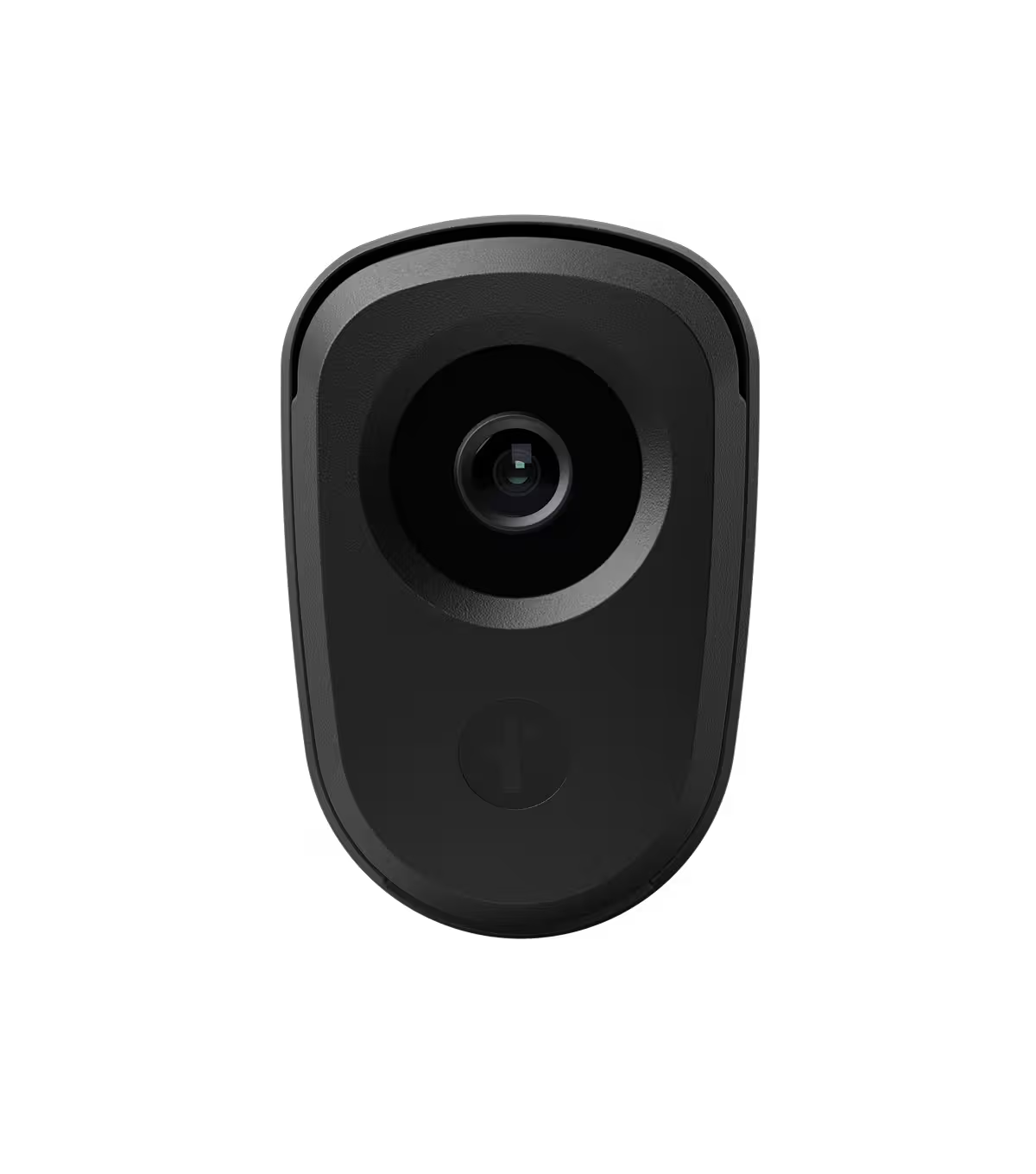
The vehicle gives security teams a thread to follow. Vehicle intelligence, such as license plate reader (LPR) data along with make, color, type, and distinguishing features, can help investigators determine whether a vehicle tied to reported incidents has appeared across multiple locations or visits. Video context provides the visual detail behind each event. Together, they can help an investigator move from an isolated clip to a documented pattern and, when appropriate, share relevant evidence with law enforcement partners.

Does visible security deter retail theft and aggression?
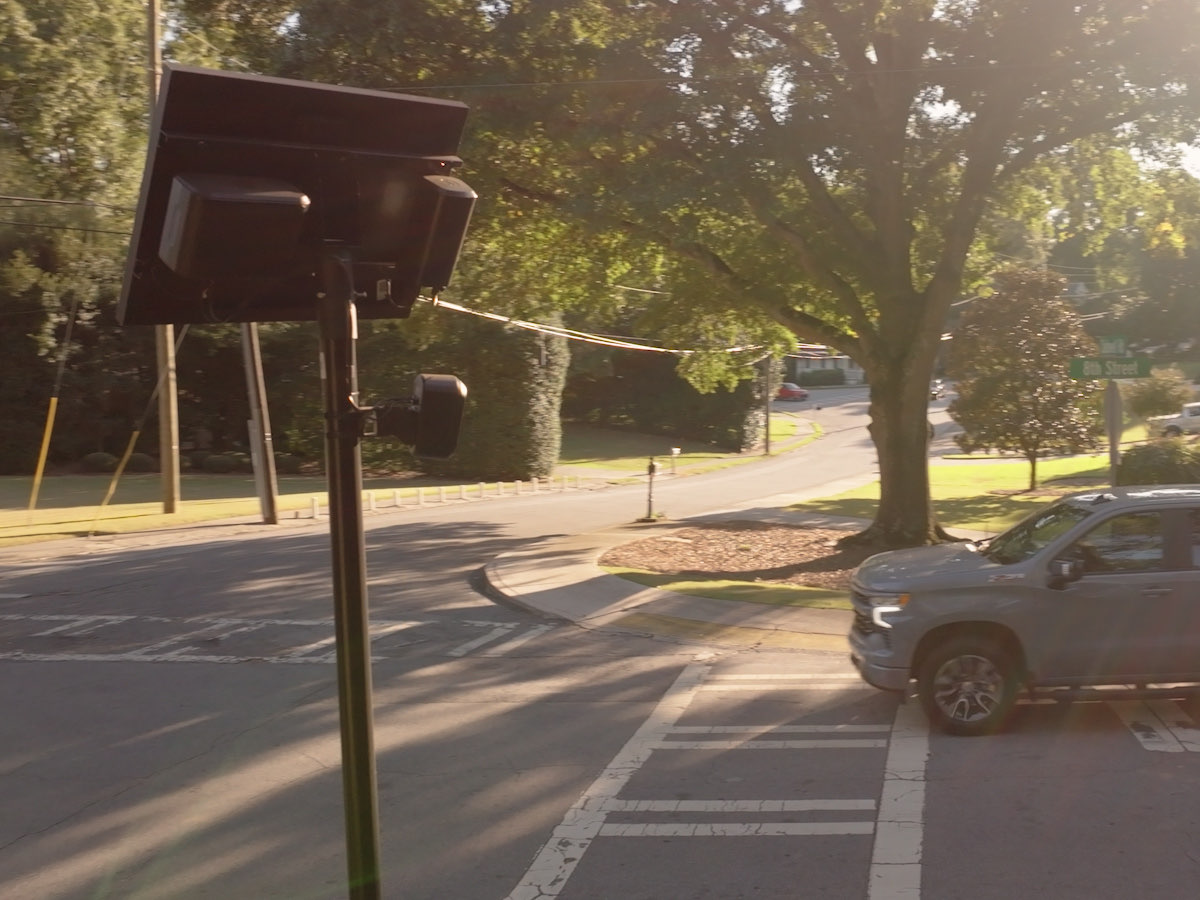
Deterrence works alongside investigation. HALOS found that more than half of respondents said visible security measures discourage abusive behavior. Visible cameras, mobile security trailers, signage, and a recognizable security presence signal that a location is attentive and that activity there is documented. For employees, those same signals offer reassurance that the organization is taking steps to support them.
What should retail security leaders prioritize?
The 2026 data describes an industry making progress on traditional shoplifting while facing a smaller, more persistent pattern of repeat and organized activity, and a workforce that feels the effects directly. For security leaders, that points to three priorities:
- Build a shared understanding of repeat activity across stores and surrounding properties.
- Give associates clear guidance to disengage, along with confidence that incidents will be documented and followed up.
- Connect vehicle intelligence, video context, and evidence so investigations move faster and employees see results.
Flock works with retail security teams to bring these pieces together, so store security teams and frontline employees can share the same awareness. To learn more about Flock for retail, or to talk with our team about your loss prevention and employee safety goals, get in touch.
FAQs
How can retailers use vehicle intelligence to identify repeat theft activity across stores?
Vehicle intelligence can help connect visits involving the same vehicle across multiple locations or dates. License plate data, make, color, type, and distinguishing features give investigators a consistent thread to review alongside incident reports and video context.
Can connected security technology help reduce risk to frontline retail employees?
Connected security technology can support employee safety by helping teams document and investigate incidents without asking associates to intervene directly. More context before, during, and after an event lets employees follow disengagement policies while the organization preserves evidence for follow-up and, when appropriate, share relevant evidence with law enforcement partners.
What privacy and trust considerations should retailers evaluate before deploying vehicle intelligence?
LPR data can enable smarter investigations by identifying vehicles based on their traits, linking them to past incidents, and uncovering patterns. Retailers should define clear policies for access, retention, permitted use, and evidence sharing before deployment. These controls help keep the technology focused on safety and security while respecting employees, customers, and surrounding communities.
Sources


Protect What Matters Most.
Discover how communities across the country are using Flock to reduce crime and build safer neighborhoods.