
.webp)








A license plate can move a case forward. It can also be missing, temporary, covered, swapped, partially captured, or misread.
Modern vehicle recognition software should help teams identify the vehicle, not just read the plate. That means searchable images, time and location context, plate data when available, and vehicle attributes such as make, color, body type, decals, racks, toolboxes, temporary plates, and no-plate detections.
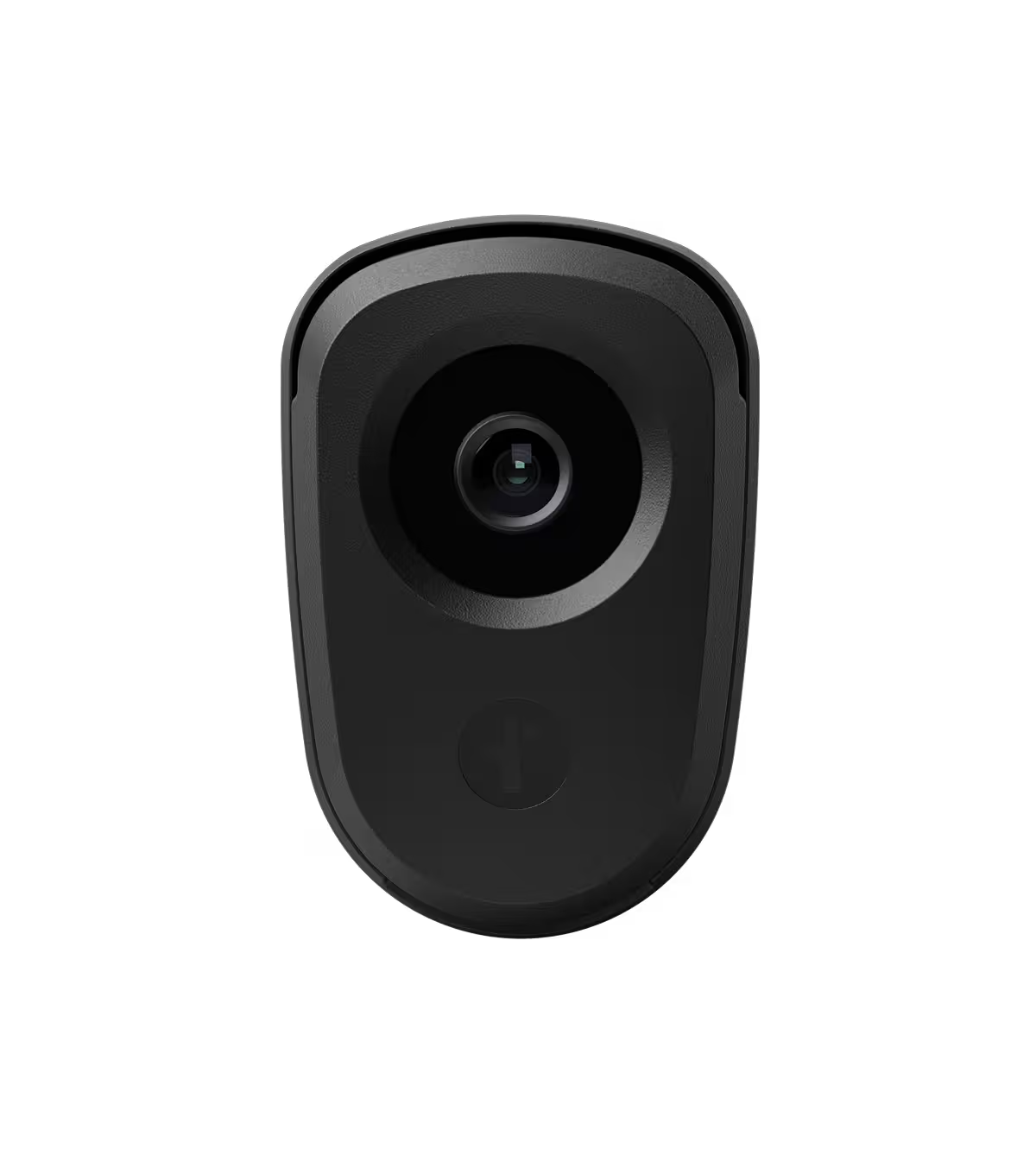
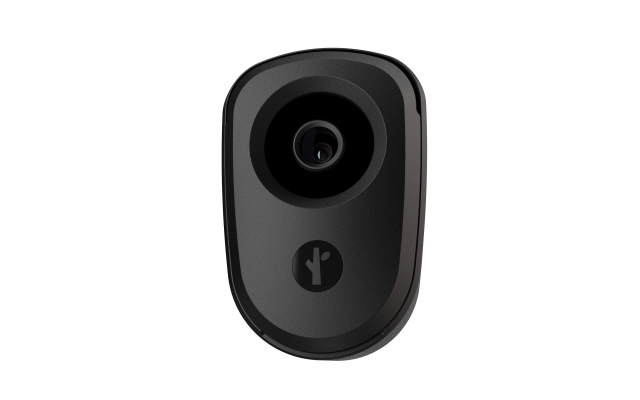
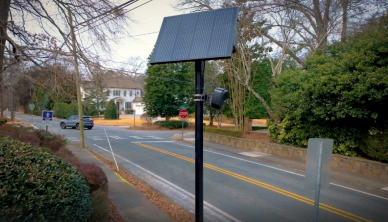
Flock LPR is built around that operational reality. It gives law enforcement agencies and security teams clearer vehicle evidence to review, faster ways to narrow a lead, and controls that make system use accountable. The software supports human review and corroboration. It does not replace investigator judgment.
For a broader primer on LPR technology, start with Flock’s license plate reader cameras overview.
What Vehicle Recognition Software Should Do
In an LPR system, vehicle recognition software is the software layer that turns LPR footage into searchable investigative information.
A basic LPR system may return a plate read and an image. Investigation-grade vehicle recognition software helps teams ask better questions:
- Which vehicles match a partial plate or witness description?
- Does the image match the plate, state, make, color, and body type expected?
- Can investigators continue when the plate is temporary, obscured, missing, or likely swapped?
- Can a hit be reviewed before anyone takes action?
- Can related detections be shared or searched across locations when policy allows?
That distinction matters in procurement. Agencies are not only buying LPR cameras -- they are choosing the evidence layer their teams will rely on when information is incomplete.
Why Plate-only LPR Breaks Down
A Plate Read Is Only the Starting Point
Plate reads are useful because they are specific and actionable. They are also only one part of a vehicle record.
Real cases often start with partial information: a dark SUV, a temporary tag, a covered plate, an out-of-state plate, a witness description, or a plate fragment from video. In those moments, a plate-only LPR system can push investigators into manual review or a long list of weak possibilities.
Vehicle recognition software helps keep the investigation moving. Investigators can search by vehicle traits, review time and location, and narrow results before follow-up. This gives teams more context to confirm whether a lead is worth pursuing.
The goal is confirmation. The system should help investigators validate details, rule out false leads, and document the basis for their next step.
Vehicle Attributes That Strengthen Identification
Flock LPR and its patented Vehicle Signature technology captures vehicle details including make, body type, color, decals, bumper stickers, back racks, top racks, toolboxes, temporary plates, and no plates.
Those attributes are especially useful when the starting point is imperfect:
- A partial plate returns too many possible vehicles
- A witness remembers color and body type but not the tag
- A plate image needs another check before follow-up
- A vehicle has a temporary, covered, or missing plate
- Several similar vehicles appear near the same location
- A decal, rack, toolbox, or other visible feature separates one vehicle from another
Attribute search is not about building a longer feature list. It is about giving investigators better ways to compare what was reported with what was captured.
How Flock Supports Vehicle Identification for Investigations
Flock approaches LPR as vehicle identification for investigations. The value comes from how quickly teams can turn a vehicle image into useful lead.
A typical Flock LPR workflow looks like this:
- An LPR captures a vehicle image
- Vehicle details become searchable, including attributes such as make, color, body type, and distinguishing features
- Investigators review the image and surrounding context before deciding on next steps.
Woonsocket Police Chief Thomas Oates described the value of partial details this way: “If we have a Flock camera in this area either past the scene or before the scene and you have a good vehicle description, even if it’s just partial plate, not a full license plate on the vehicle, we’ve got a good chance of identifying the vehicle that’s involved.”
That is the practical role of vehicle recognition software: turn incomplete vehicle information into an investigatory lead.
What to evaluate in vehicle recognition software for LPR cameras
A useful LPR comparison should go well beyond “Can it read plates?” Buyers should test whether the system can produce usable evidence in the conditions, locations, and policies that define their day-to-day work.
Evaluate these criteria:
- Image quality in real conditions: Review performance across day, night, low light, rain, dawn, and dusk. Ask vendors how they measure capture rate and OCR rate in each condition.
- Plate-limited investigations: Test partial plate, temporary plate, covered plate, swapped plate, missing plate, and no-plate scenarios.
- Attribute search depth: Confirm searchable traits such as make, color, body type, decals, racks, toolboxes, temporary plates, and no-plate detections.
- False-positive reduction: Look for verification steps that help teams compare plate, state, image, and vehicle attributes before action.
- Alert controls: Understand who receives alerts, which hot lists are customer-managed, and what review process follows a hit.
- Coverage and deployment fit: Check roadway distance, lane coverage, camera placement, power, and connectivity requirements.
- Interoperability: Determine how LPR data works with existing video, CAD, RTCC, case management, or other investigative systems.
- Collaboration controls: Review how agencies or security partners can share evidence when policy permits, and how that sharing is governed.
- Auditability and retention: Confirm search reasons, access permissions, audit trails, retention settings, and reporting needs before launch.
- Service model: Factor in installation, permitting, poles, connectivity, support, and ongoing program management.
To evaluate Flock coverage, workflows, and governance for your environment, request a demo.
Responsible Deployment Is Part of the Vendor Decision
Better vehicle recognition needs clear limits. Agencies and communities should be able to explain what the system captures, who can access it, how searches are documented, how long data is retained, and when sharing is allowed.
Flock’s LPR is built with operational guardrails that support accountable use:
- Data is automatically deleted after 7 days by default, unless a different retention period is required by the customer
- Searches require documented reasons and are captured in audit trails
- Customers own their data and control whether and how it's shared with other agencies or partners
- Hot lists are configured and maintained by the customer using defined criteria, such as stolen vehicles, AMBER Alerts, or active warrants.
- Safety and privacy are not competing requirements. A defensible LPR program needs clear evidence and clear boundaries. Flock publishes more about privacy, security, transparency, and accountability practices in the Trust Center.
Why Teams Choose Flock LPR
Flock LPR helps teams do more than capture a plate read with its vehicle recognition software. Investigators can search by plate and vehicle attributes, review image evidence, and receive customer-managed alerts.
Flock’s nationwide LPR network also helps agencies connect vehicle activity across jurisdictions when customers choose to collaborate under their policies. The platform processes 20B+ vehicle reads per month across 49 states, with thousands of law enforcement agencies participating in controlled sharing.
Flock’s LPR is highly accurate, achieving over 99% capture in clear and rainy conditions and over 98% at dawn and dusk. It also delivers over 96% OCR accuracy and over 97% license plate state accuracy.
If your current LPR evaluation is still centered on plate text alone, it is worth widening the frame. The stronger question is whether the system can help your team identify the right vehicle when the plate cannot carry the case by itself.
Request a demo to evaluate Flock LPR coverage, vehicle recognition capabilities, evidence review, alerting, collaboration, and governance for your program.
FAQs
What is vehicle recognition software?
In LPR systems, vehicle recognition software is the software layer that turns vehicle images into searchable information. The software can organize plate data, time, location, and vehicle attributes so investigators and security teams can search, review, alert, and coordinate response.
Why should LPR cameras capture more than a license plate?
Plates can be missing, temporary, obscured, swapped, out of state, partially captured, or misread. Vehicle attributes such as make, color, body type, decals, racks, toolboxes, temporary plates, and no-plate detections help teams compare a detection against what was reported and narrow leads with more confidence.
How does vehicle recognition software help reduce false positives?
Vehicle recognition software gives reviewers more context before follow-up. Instead of relying only on plate text, teams can compare the plate, state, image, time, location, and vehicle attributes. That extra verification can help rule out weak hits and focus attention on stronger leads.
What should agencies evaluate when choosing vehicle recognition software for LPR cameras?
Agencies should evaluate image quality, capture rate, OCR rate, attribute search, plate-limited workflows, alert controls, interoperability, deployment requirements, governance, auditability, retention, and support. Testing should include real operating conditions such as night, low light, rain, dawn, and dusk.
What does vehicle recognition software cost?
Pricing depends on coverage needs, the number of cameras or data sources, software capabilities, deployment requirements, support, and governance requirements. Agencies should evaluate total program value, not just camera cost. To scope a program around your locations and workflows, request a demo.
How do teams get started with vehicle recognition software for LPR?
Start by mapping where crimes occur, what information investigators usually have at the beginning of a case, and what review process is required before follow-up. Then assess deployment constraints, integration needs, sharing policies, retention requirements, and transparency expectations. Flock’s Trust Center can help teams review privacy and accountability practices early.


Protect What Matters Most.
Discover how communities across the country are using Flock to reduce crime and build safer neighborhoods.