









 Back to solved stories
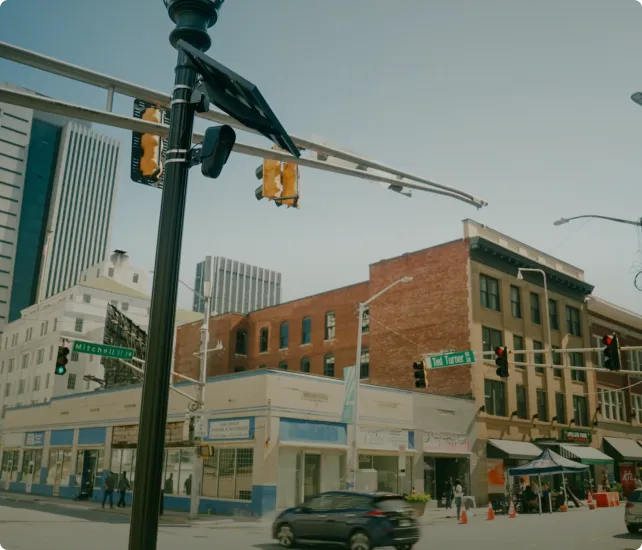
When Seattle police arrived at the scene of a hit-and-run collision on a Tuesday evening, the vehicle responsible was already gone. A pedestrian had been struck while crossing an intersection, leaving investigators with little more than several witness accounts and a handful of details about the car.
Witnesses agreed on certain characteristics, but their descriptions differed in important ways. One recalled a dark-colored sedan. Another believed the vehicle was an SUV. Neither could provide a license plate number, and the available descriptions were too broad to point investigators toward a particular driver.
For detectives, the challenge was familiar. Witness testimony can provide a valuable starting point, but details recalled in the moments following a traumatic event are often incomplete. With no plate number to search, investigators needed another way to narrow the possibilities.

Searching for a vehicle without plates
Rather than begin with a known license plate, investigators focused on what witnesses could remember about the vehicle itself. Its approximate size, color, and other visible characteristics offered a starting point for a broader search.
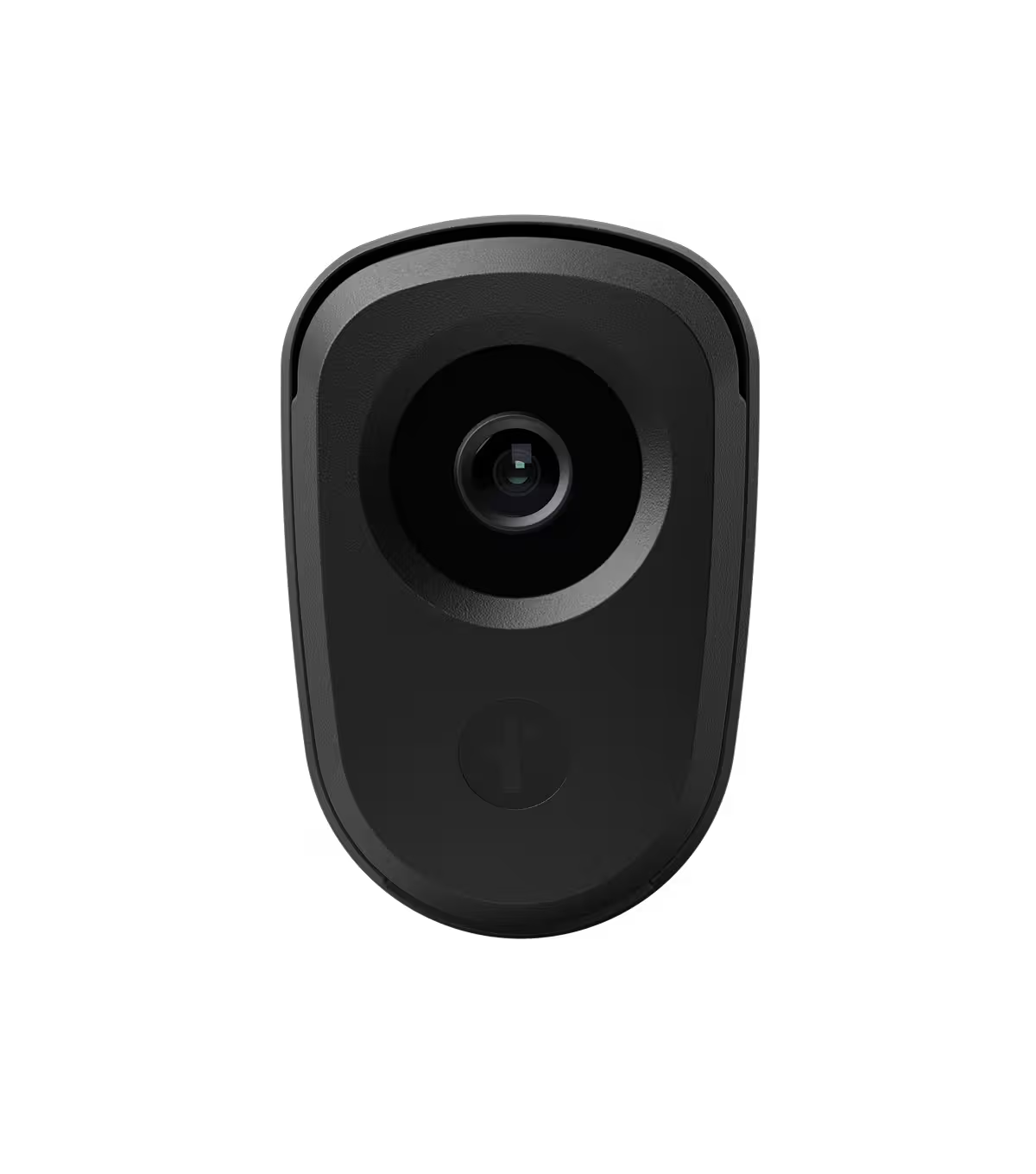
Using Flock Safety's vehicle signature search capabilities, detectives examined relevant vehicle observations captured by the camera network. The technology allowed them to search using available vehicle characteristics, helping narrow a potentially large set of observations to a smaller group of vehicles worth investigating.
By the end of the week, detectives had gathered enough information to identify and arrest a suspect in connection with the collision.
Among those results was a vehicle consistent with several elements of the witness descriptions. The observation alone could not establish that the vehicle was involved in the collision, but it gave investigators something they had lacked since arriving at the scene: a specific lead they could examine further.
Detectives began comparing the information against other available evidence. The investigation was no longer limited to piecing together what witnesses remembered. It now included a vehicle that could be evaluated, corroborated, or ruled out.
Seven days of investigative work
The arrest marked a significant development in a case that had begun with incomplete information. While the investigation required multiple sources of evidence and the work of local detectives, the ability to search beyond a complete license plate number helped investigators pursue a lead that might otherwise have been difficult to identify.
The case illustrates the practical value of connecting small pieces of information during an investigation. A vehicle description that initially seemed too general to be useful became a starting point for a more focused search.
For investigators, the significance wasn't simply that technology produced a possible match. It was that the information gave them something concrete to investigate, helping move the case toward a resolution.