
.webp)





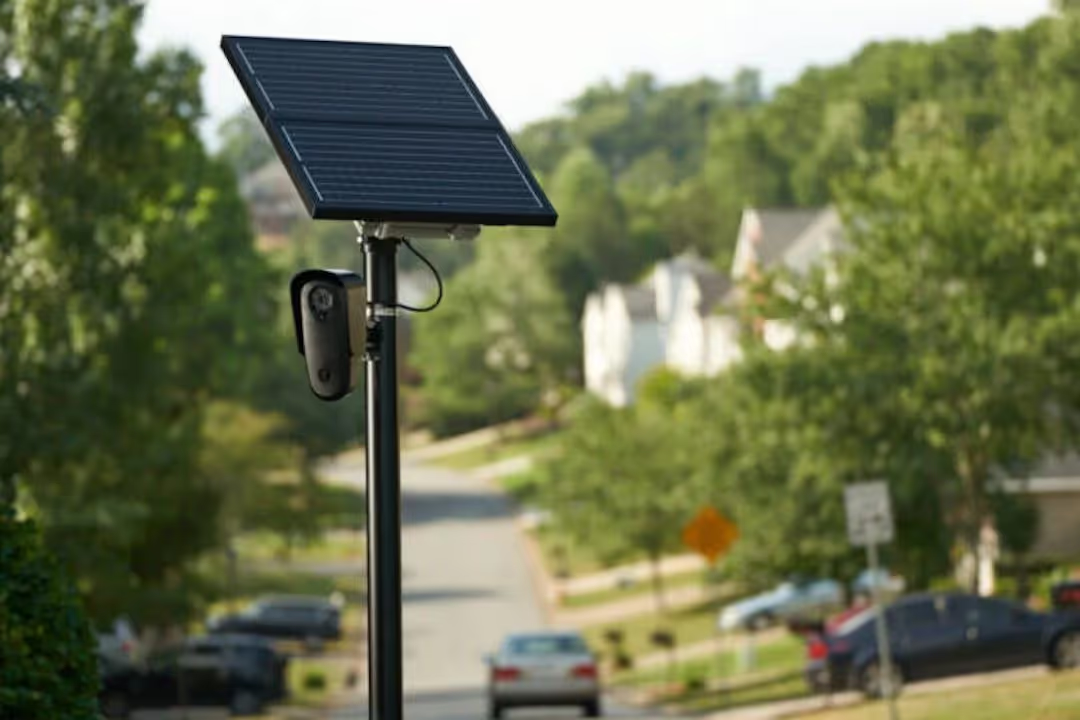


How To Use License Plate Reader Cameras for Neighborhood Security
Learn how to use license plate reader cameras for neighborhood security. Discover how these systems deter crime, protect residents, and support HOA safety.

Neighborhood crime is becoming increasingly coordinated and sophisticated, and vehicles are often at the center of it. From porch package thefts to drive-by break-ins, many of today's threats involve cars slipping in and out of a community within minutes.
Traditional neighborhood watch programs and passive security systems often fall short. License plate reader (LPR) cameras offer a more proactive way to respond.
By capturing and analyzing license plate data in real time, these cameras help flag suspicious vehicles and repeat offenders, giving local law enforcement actionable leads and providing communities with a smarter layer of protection.
Key takeaways
- License plate reader (LPR) cameras capture vehicle data in real time, giving neighborhoods actionable evidence when crimes involve cars.
- LPR systems focus on license plates, not people, helping balance safety with resident privacy.
- Strategic placement at entry and exit points increases effectiveness and investigative value.
- HOAs can legally deploy LPR cameras when proper signage, policies, and access controls are in place.
- When integrated with law enforcement, LPR technology speeds up investigations and improves response times.
What is a license plate reader camera, and how does it work?
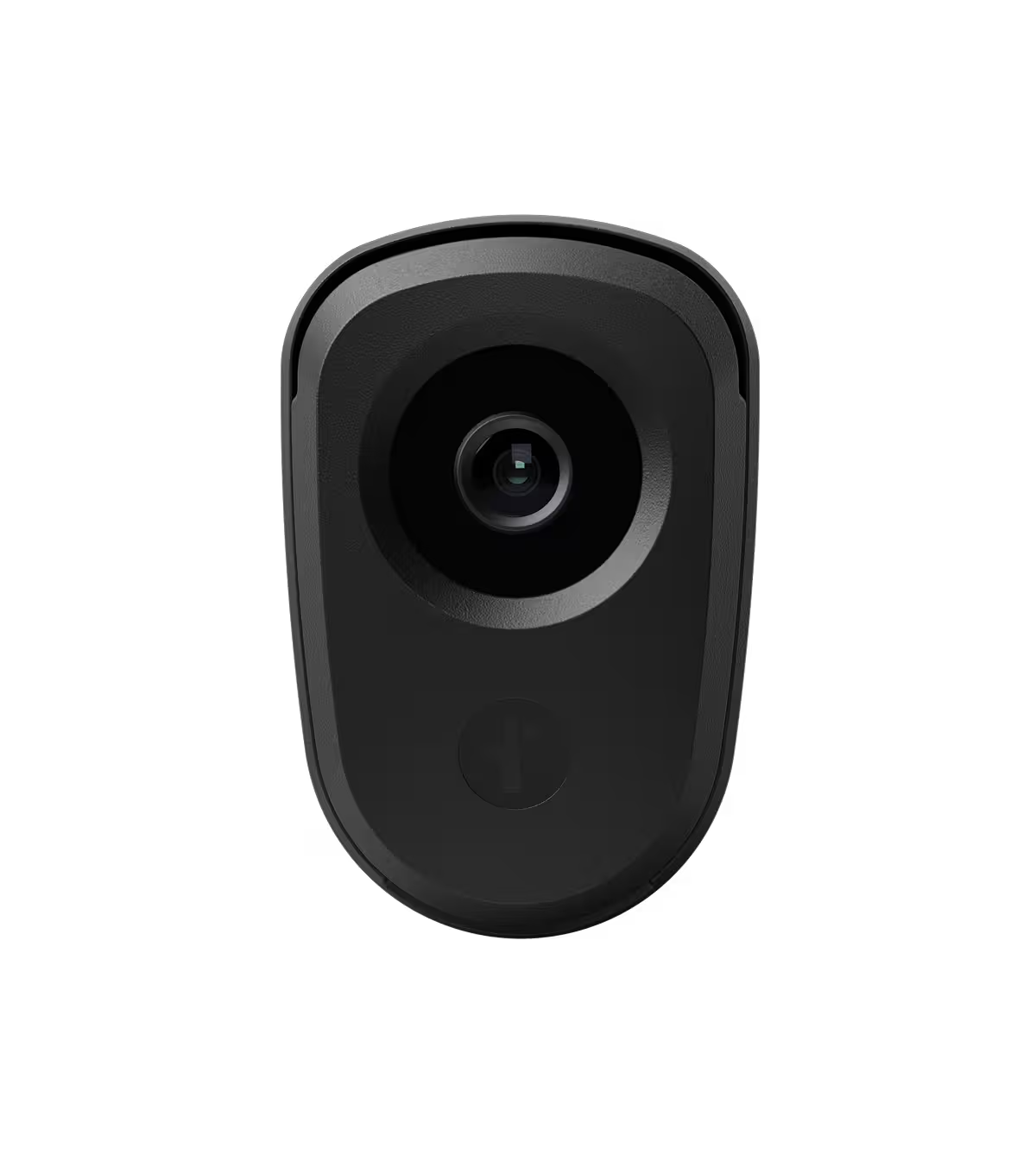
License plate recognition technology uses specialized cameras to quickly and accurately capture rear images of vehicles. Unlike standard security cameras, these systems are designed solely to capture license plate numbers and vehicle details for investigative use.
They don't record faces or individuals, helping preserve resident privacy. All data is securely stored in the cloud and accessible only to authorized users, ensuring it remains both useful and responsibly protected.
Their key functions include:
- Capturing vehicle license plates day or night
- Securely storing searchable plate data in the cloud
- Sending real-time alerts for stolen cars or known offenders
By combining precision with real-time intelligence, LPR cameras help neighborhoods deter crime and give law enforcement actionable evidence, making them more effective than traditional security systems.
Why license plate reader cameras matter for neighborhood security
Vehicles play a central role in many neighborhood crimes. Thieves often drive through communities looking for packages left on porches, scoping out homes for potential burglaries, or targeting vehicles parked in driveways.
In fact, one in six U.S. adults fell victim to "porch pirates" in 2024, a sign of how widespread and opportunistic these crimes have become.
It's easy to grab a package, flee the area, or commit other property crimes with minimal risk. Offenders are gone within minutes, leaving residents frustrated and law enforcement with little evidence or leads. In many cases, the vehicles involved are later identified as stolen, making license plate capture critical for investigations.
LPR cameras help reduce these risks by capturing valuable evidence that can help identify repeat offenders or suspicious vehicles. They also serve as a visible deterrent in areas where drivers know their license plates may be recorded.
More than 6,000 communities use Flock Safety's LPR cameras to help reduce crime and recover stolen property. When vehicles are a common thread in local crime, license plate data becomes a powerful tool for reduction and response.
Top benefits of license plate reader cameras for neighborhoods
LPR cameras give neighborhoods a smarter, more targeted way to strengthen security. Unlike doorbell or general-purpose security cameras that capture full-scene footage, LPR cameras zero in on the back of a vehicle as it passes by.
That precision makes them ideal for a wide range of settings, from gated communities and apartment complexes to suburban streets.
Top benefits include:
- Crime deterrence: Visible signs and cameras discourage loitering and casing
- Faster investigations: Vehicle footage helps law enforcement resolve incidents quicker
- Resident peace of mind: Transparent tools build trust and confidence
- No need for guards: Automated coverage captures vehicles coming and going 24/7
- Objective data: Vehicle data provides law enforcement with hard evidence, cutting through guesswork and conflicting stories
Unlike standard security cameras, LPR systems deliver consistent vehicle data that neighborhoods can act on.
Can HOAs use license plate reader cameras legally?
Yes, HOAs can legally use LPR cameras, as long as proper privacy practices are followed and clear signage is in place. These systems are designed to improve neighborhood safety without compromising individual privacy.
Here's what to know:
- LPR cameras do not use facial recognition
- They capture license plates, not people
- They do not monitor residents or guests in real time
- Data is encrypted, and access is restricted to authorized users
HOAs can take a proactive approach to privacy by posting signs at neighborhood entry points, sharing data policies with residents, and clearly explaining who can access the footage and under what conditions.
Tips for bringing license plate reader cameras to your neighborhood
The right LPR camera vendor should do more than install equipment. They should be a strategic partner in helping your HOA design a system that fits your layout, addresses real risks, and operates reliably from day one.
Start with a neighborhood needs assessment
Before installation, work with your vendor to define what you want your LPR cameras to accomplish, like deterring theft, tracking repeat offenders, or monitoring traffic patterns.
Strategic camera placement allows your system to capture the most relevant vehicle data and addresses your neighborhood's security needs. A knowledgeable vendor, like Flock, may recommend focusing on high-traffic or vulnerable areas, such as main gates, side entrances, or cut-through routes. They might also review local crime data or work with you to gather feedback from residents about safety concerns.
Rely on vendor expertise for power and connectivity
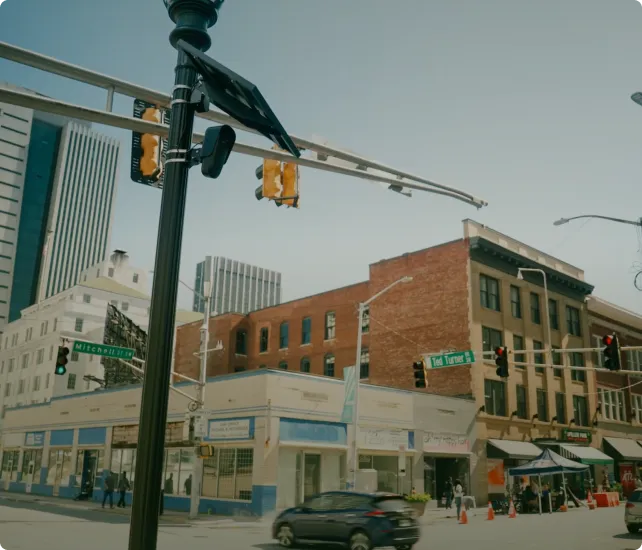
Performance depends on reliable uptime. LPR cameras require stable power and secure, uninterrupted data transmission to deliver consistent results. Many modern systems use solar power and transmit data over secure cellular networks, minimizing wiring needs and allowing for more flexible placement.
Your LPR camera vendor can assess your infrastructure and recommend the best configuration, whether it's solar, hardwired, or a combination. Not all systems work the same way (some require Wi-Fi or direct power), making professional guidance critical for avoiding installation setbacks and ensuring dependable performance.
Optimize camera height and angle with professional guidance
You won't get clear license plate images without the right camera positioning. Lean on your vendor's expertise to determine the proper height, angle, and line of sight, so plates are readable in any lighting conditions.
They'll be able to account for things you may not have considered, like vehicle speed, mounting surface stability, grade changes in the roadway, and seasonal shifts in sun position. Professionals also consider glare from headlights or sunlight and place cameras to avoid obstructions that can potentially degrade image quality, like trees, signs, or fencing.
Plan for long-term maintenance and weatherproofing
When your HOA partners with a knowledgeable LPR vendor, you get valuable, experience-backed guidance on selecting commercial-grade, weather-hardened cameras designed to withstand rain, wind, dust, humidity, extreme heat, and freezing temperatures without compromising image quality.
Your vendor should also outline a proactive maintenance schedule that covers lens cleaning, firmware updates, and system health monitoring. They can also guide you on warranty information, support needs, and service-level expectations so you know who to contact if an issue arises. Understanding warranty coverage and support options upfront protects your investment and sets your community up for reliable longer-term performance.
Do license plate reader cameras integrate with law enforcement?
Yes, LPR cameras are instrumental in supporting law enforcement agencies during investigations. Flock Safety's LPR technology provides them with real-time alerts for wanted and stolen vehicles, allowing officers to respond to potential threats faster and with more context. Captured plate data also aids investigations by helping agencies identify leads and patterns.
Sharing data when incidents occur
Installing LPR cameras doesn't mean that all license plate data is automatically shared with law enforcement. HOAs control how and when access is granted. Flock Safety's system is built to ensure data sharing is secure and seamless.
Neighborhoods can choose whether to give police direct access or only share relevant images upon request. This approach helps maintain resident privacy while still supporting investigations and promoting neighborhood safety.
Alerting local agencies about hotlisted vehicles
Real-time alerts for hotlisted vehicles help law enforcement respond quickly to potential threats and reduce the risk of theft and other crimes. Flock Safety's LPR cameras can automatically detect vehicles in a neighborhood that match national or local hotlists (such as those from the National Crime Information Center, NCIC), Be-On-the-Lookout notices (BOLOs), or AMBER Alerts and alert the local police department in real time.
Take the next step toward safer neighborhoods
Improving public safety in your community starts with understanding how license plate reader technology works, and why vehicles are often the key to deterring crime. When camera systems are placed and configured based on neighborhood-specific needs, they offer a powerful way to deter threats, support law enforcement, and give residents peace of mind.
Flock Safety's LPR cameras are a premier choice for HOAs and neighborhood security. They balance privacy and transparency with real-time responsiveness and investigative support. With durable hardware, solar power, and seamless law enforcement integration, they give communities a turnkey approach to safety.
Ready to invest in LPR cameras for a safer neighborhood? Book a demo today and see how Flock Safety can help protect what matters.
FAQs
What is the difference between LPR cameras and regular security cameras?
Regular security cameras capture broad footage of an area, including people and surroundings. LPR cameras are purpose-built to capture clear images of license plates and associated vehicle details, providing structured data that is searchable and useful for investigations.
Do license plate reader cameras invade privacy?
LPR cameras are designed to capture license plates, not faces or individuals. They do not use facial recognition technology. Data is encrypted and access is restricted to authorized users, helping ensure it is used only for legitimate safety purposes.
How long is license plate data stored?
Data retention policies vary by provider. Many systems store data for a limited, predefined period to balance investigative value with privacy. Communities should review vendor policies and clearly communicate retention timelines to residents.
Where should LPR cameras be installed in a neighborhood?
The most effective placements are typically at neighborhood entry and exit points, main gates, and high-traffic access roads. Placement should align with local crime patterns and infrastructure considerations, such as power and connectivity.
Can neighborhoods control who sees the data?
Yes. HOAs and community leaders determine how data is accessed and shared. They can choose whether law enforcement receives direct access or only receives data upon request related to a specific incident.
Do LPR cameras work at night or in bad weather?
Modern LPR systems are designed to operate day or night and in a range of weather conditions. High-quality cameras use infrared technology and weather-resistant hardware to maintain consistent performance.


Protect What Matters Most.
Discover how communities across the country are using Flock to reduce crime and build safer neighborhoods.