
.webp)





How Castle Rock Police Department Extended Visibility With Flock Dual Lens PTZ
How Castle Rock Police Department expanded visibility in one of its busiest parks without power, wired connectivity, or traditional infrastructure.
Key Results


Key points
- Extend video coverage to hard-to-reach locations. Solar power and LTE connectivity allowed Castle Rock Police to place a camera at the top of a ridge where traditional power and network infrastructure were impractical.
- Give responders more context before arrival. During calls for service, live visibility helps dispatchers understand what is happening and share useful information with police, fire, and EMS teams while they are en route.
- Keep the full scene visible while investigating details. The Dual Lens PTZ pairs an ultra-wide view with 32x optical zoom, allowing operators to focus on specific activity while maintaining broader situational awareness.
- Deploy based on operational need. Flexible infrastructure gives agencies more options for extending video coverage to parks, trails, event spaces, parking areas, and other locations where existing utilities are limited.
The Challenge
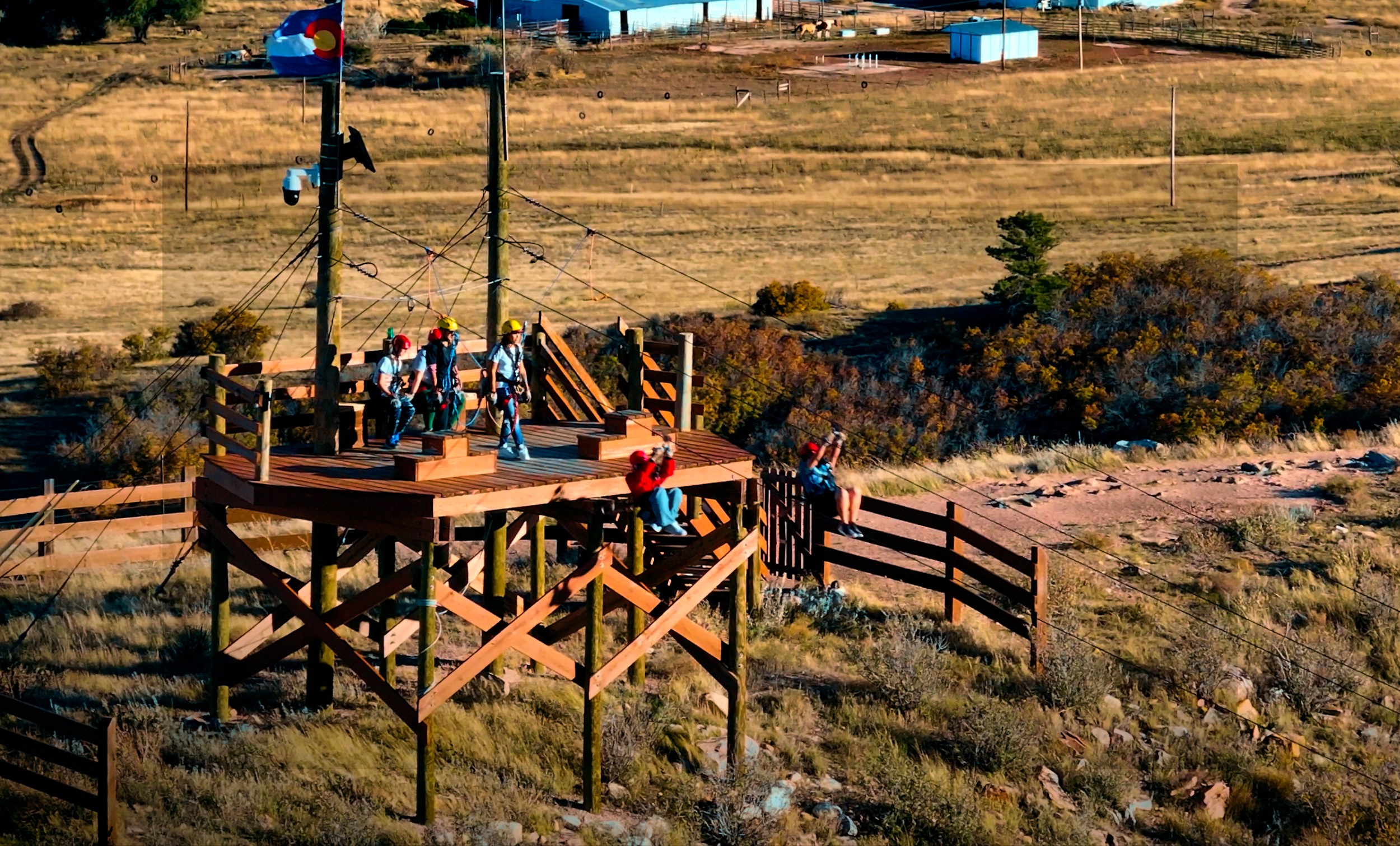
At the top of a 200-step climb in Castle Rock, Colorado, sits a popular zip line overlooking Philip S. Miller Park.
It’s also where first responders are often called when someone twists an ankle on the climb or suffers a medical emergency. The Castle Rock Police Department had wanted a camera there for years. They just did not have a practical way to install one.
Commander Todd Brown said the department had wanted camera coverage at the top of the incline for years.
“And there’s been no way to get it up there because there’s absolutely no power. And then because there’s no power on the top of that ridge, there’s no connectivity,” said Brown.
Like many agencies, Castle Rock wasn’t struggling to identify where more visibility was needed. The challenge was infrastructure. Running power to the top of the ridge wasn’t practical. Without power, traditional networking wasn’t an option either. The place where officers wanted visibility most remained a blind spot.
The Approach
This challenge is not unique to Castle Rock. Across the country, agencies often know where they need more visibility, but deploying a camera in those locations can be difficult. Parks, trail systems, reservoirs, remote parking lots, event spaces, and recreational areas are often places where officers respond to medical emergencies, suspicious activity, or calls for service.
Rather than accepting the location as a permanent blind spot, the department looked for another way to extend visibility. The goal wasn’t simply to install another camera, but to give dispatchers and first responders better information before they arrived on scene.
That meant finding a solution that could be deployed without trenching power or installing new network infrastructure. It also meant choosing a camera that could provide both broad situational awareness and detailed views of an unfolding incident.
The Solution
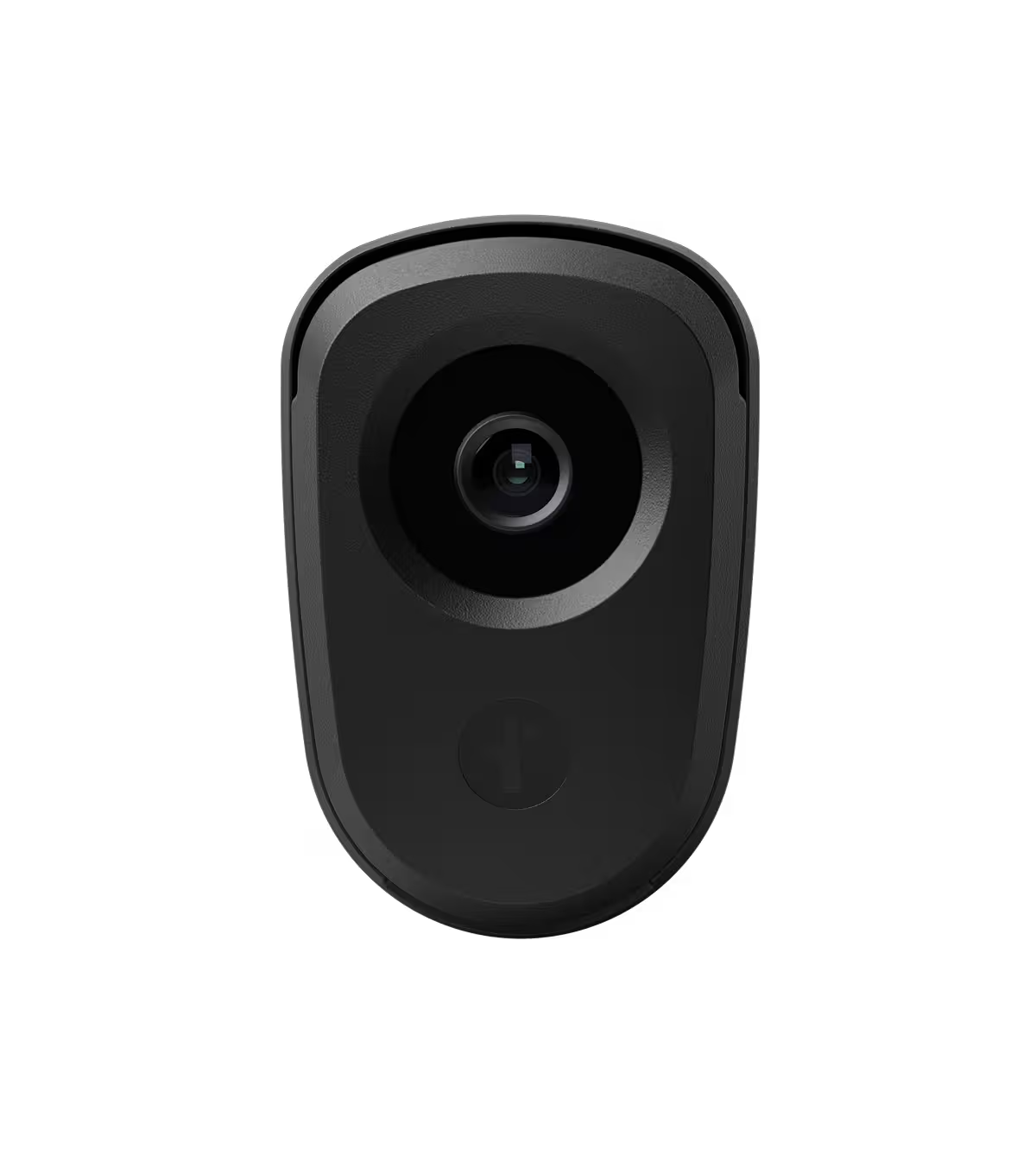
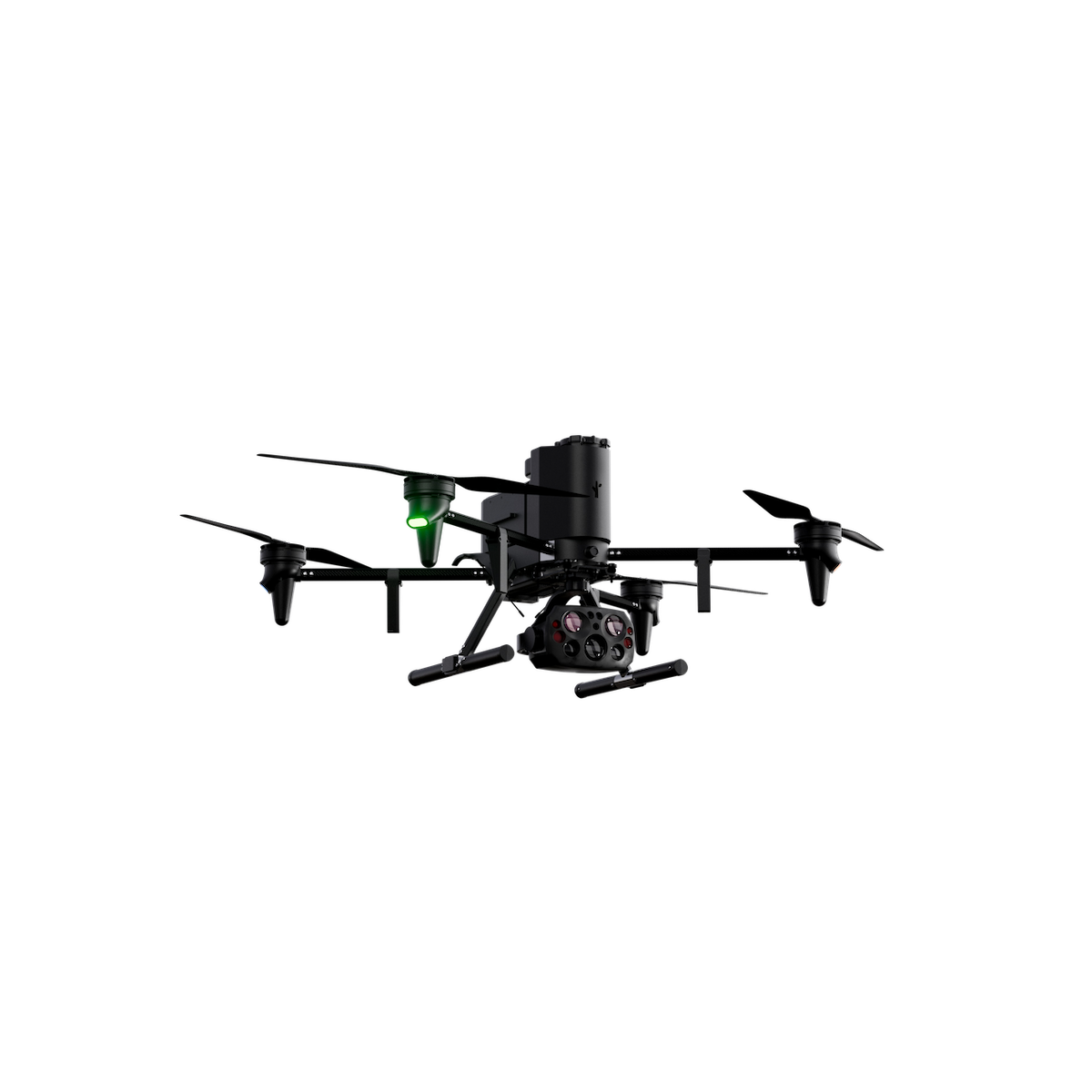
Flock’s Dual Lens PTZ Video Camera combines solar power with LTE connectivity, allowing agencies to deploy video coverage where traditional infrastructure isn’t practical. For Castle Rock, that meant placing a camera at the top of the ridge where officers had wanted visibility for years.
The department also wanted to avoid a common challenge where traditional PTZ cameras often force operators to make a tradeoff. When operators zoom in to investigate one part of the scene, they can lose visibility elsewhere. When dispatch zooms in, context can disappear. What’s happening just outside the frame can be just as important as what’s happening inside it.
Castle Rock had experienced that firsthand. “So many times on a camera, you zoom in and then right off the screen, you’re like ‘Oh, I wish I would’ve seen that happen.’ The patrolman or the officer tells you this just happened off camera.”
The Dual Lens PTZ is designed differently. One ultra-wide camera keeps the broader scene in view while a second camera pans, tilts, and zooms to focus on specific areas. Operators can view both feeds at the same time, giving them the context of the entire scene without losing the details that matter. The wide-angle camera provides a 90-degree horizontal field of view, while the PTZ camera delivers 32x optical zoom for close-up visibility.
Instead of choosing between awareness and detail, agencies can now have both.
The Results
For Castle Rock, the biggest benefit was not simply installing another camera. It was improving situational awareness before responders arrived. The department described how the camera helps during emergency medical calls.
“A 911 call for cardiac arrest. We need to go lights and sirens. We can’t see that. Now I can see it instantly. Relay any information not just to my officers, but to the firemen. And that’s a big difference.”
Being able to see the scene before responders arrive helps dispatch share valuable information with officers, firefighters, and EMS while they’re still en route. In critical moments, that added context can help teams prepare before they step out of the vehicle.
Castle Rock’s story reflects a broader shift in how agencies think about video coverage. For years, remote locations often became accepted blind spots because traditional infrastructure made camera deployments difficult or too costly.
Today, solar power and LTE connectivity allow agencies to place cameras where they can have the greatest operational impact, rather than only where utilities already exist.
FAQs
Q: How can agencies deploy video cameras in parks or remote areas without power or wired internet?
A: Flock’s Dual Lens PTZ Video Camera can use solar power and LTE connectivity, which helps agencies extend video coverage to locations where trenching power or installing wired network infrastructure is impractical. In Castle Rock, this allowed the police department to place a camera at the top of a ridge overlooking a busy park area.
Q: What is the benefit of a dual lens PTZ camera for public safety operations?
A: A dual lens PTZ camera helps operators see both the full scene and specific details at the same time. Flock’s Dual Lens PTZ pairs an ultra-wide camera for continuous situational awareness with a PTZ camera that can pan, tilt, and use 32x optical zoom to examine activity more closely.
Q: How does live video help dispatchers and first responders before they arrive?
A: Live video can give dispatchers more context about what is happening on scene before police, fire, or EMS arrive. That visibility can help dispatch share useful information with responders while they are en route, such as what appears to be happening and where support may be needed.
Q: What types of locations are a good fit for solar-powered LTE video coverage?
A: Solar-powered LTE video coverage can be a fit for parks, trails, recreational areas, reservoirs, event spaces, parking areas, and other locations where existing utilities are limited. These deployments are especially useful when an agency has a clear operational need for visibility but traditional power or connectivity is difficult to install.
Discover how communities across the country are using Flock to reduce crime and build safer neighborhoods
.avif)


Protect What Matters Most.
Discover how communities across the country are using Flock to reduce crime and build safer neighborhoods.