
.webp)
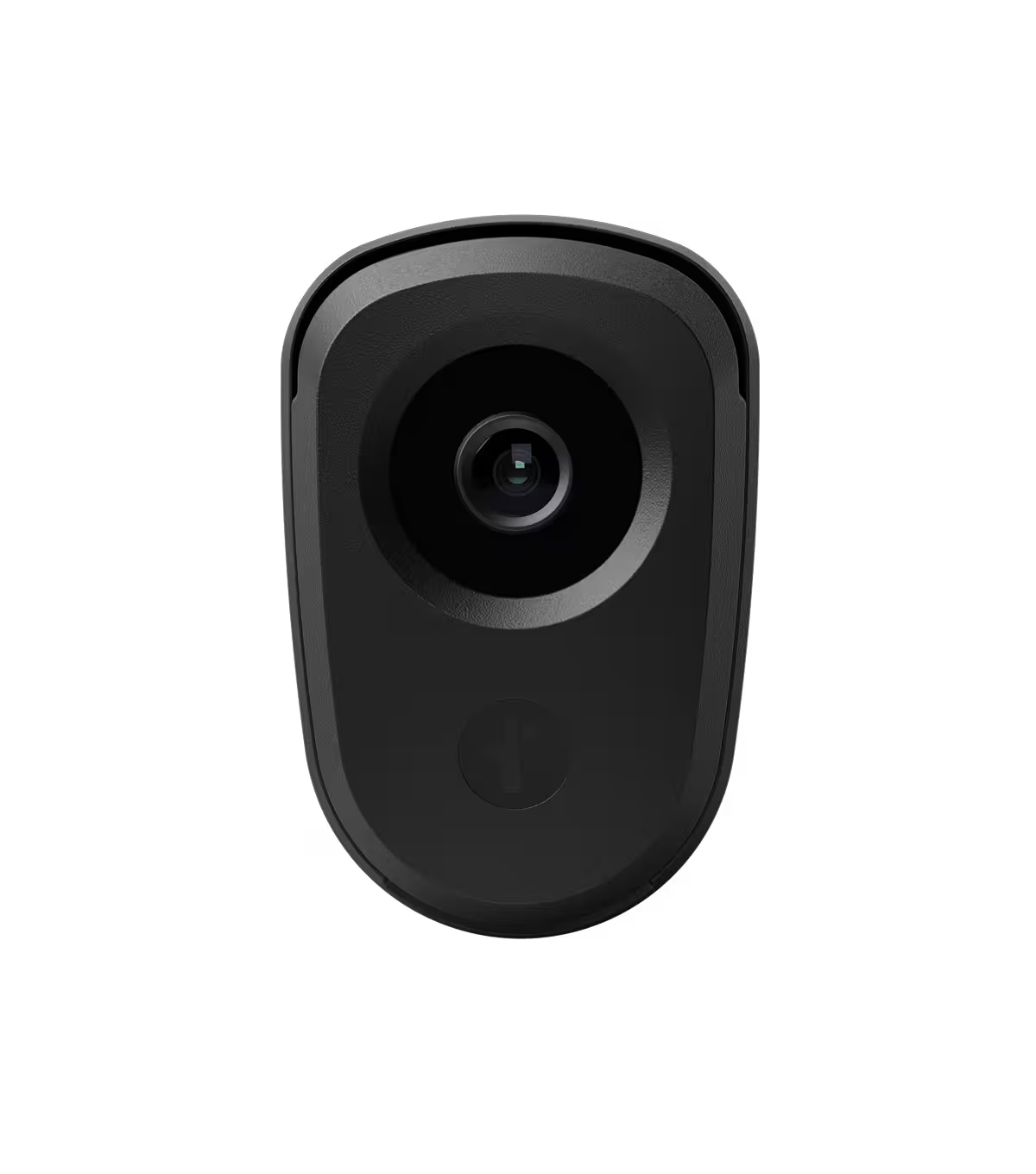











The Price of “Free” LPR
The upfront offer is only one part of the investment. Law enforcement agencies should understand how pricing, flexibility, performance, and future purchasing options evolve over the life of a license plate reader (LPR) deployment.

“Free” LPR Can Carry the Highest Cost
A “free” offer can be hard to ignore. Budgets are tight, public safety leaders are under pressure to do more with less, and a bundled deal can feel like a simple answer.
But agencies need to look past the headline price.
The real cost of license plate reader (LPR) technology shows up over time, through the quality of the investigations it supports, the track record and focus of the partner behind it, and the freedom to choose the best vendor on agency terms as needs evolve.
When those factors are built into the platform from the start, the investment creates long-term value. When they are missing, the price can rise in ways that are harder to see at procurement.
Proven Outcomes Set the Standard
LPR delivers value through outcomes. Agencies rely on it to generate leads, connect vehicles to criminal activity, locate missing people, and move investigations forward when time is limited and information is incomplete.
A track record provides a clearer basis for evaluation. Years of investigative outcomes, operational reliability, and real-world deployment experience allow agencies to assess proven performance rather than projected potential when making a long-term technology decision.
Experience also brings a clearer understanding of the tradeoffs. The differences between LPR systems extend beyond hardware specifications and subscription costs. It shows up in the quality of the reads, the speed and accuracy of alerts, the efficiency of investigative searches, and the reliability of the cameras in the field. Every missed vehicle, delayed alert, or time-consuming search is a missed opportunity to generate a lead, locate a missing child, or connect a suspect to a crime.
Flock has supported more than 1 million investigations, helped solve about 20 percent of reported crime in jurisdictions where Flock is operational, and helped locate more than 10,000 missing people in 2025. The results reflect more than eight years of field use, over 50 product iterations, and a platform refined through real investigative work. Agencies benefit from a system shaped by proven outcomes, not one still learning at their expense.
Flock’s LPR Network Strengthens Every Investigation
Crime does not stop at a city line, and investigations rarely stay in one place.
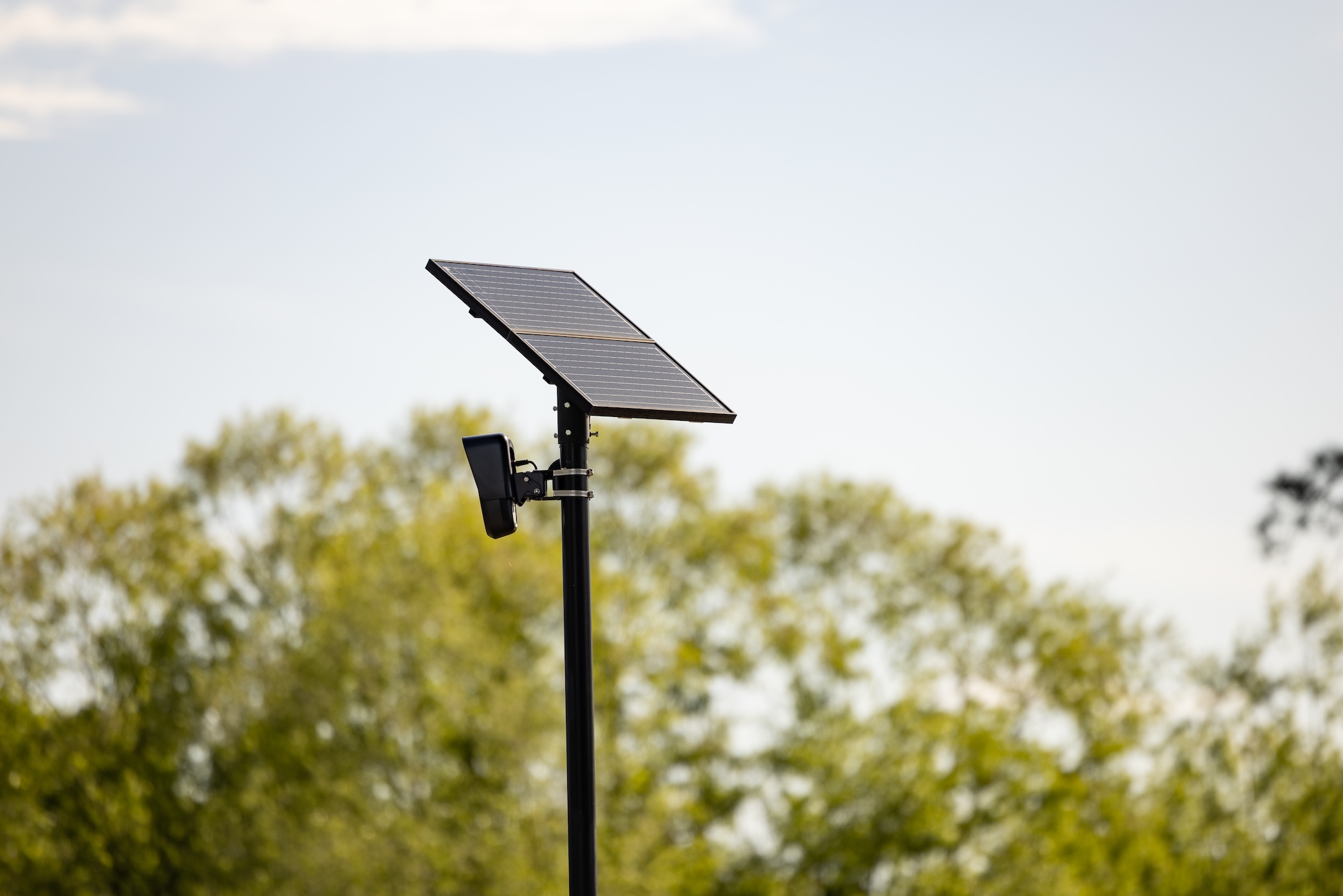
Flock's network includes more than 120,000 cameras across 49 states, giving agencies a broader view of vehicle movement and a deeper pool of investigative leads. The usefulness of LPR grows with the size and reach of the network behind it.
That distinction is especially important when evaluating LPR vendors. Access to a few dozen cameras within a single township can provide local visibility. Access to a nationwide network can help investigators follow leads across jurisdictions, connect activity occurring hundreds of miles apart, and uncover evidence that would otherwise remain out of view, while agency-controlled sharing policies keep local departments in command of their data.
Trust Comes From the Partner Behind the Platform
Trust grows when agencies retain control, operate transparently, and clearly demonstrate accountability to the communities they serve.
Flock is used by more than 12,000 customers, including neighborhoods, cities, towns, counties, and business partners, because it is built for transparency, accountability, and public trust:
- Agencies control what is shared.
- Searches are fully logged.
- Usage policies are clear and enforceable.
- No active contracts with U.S. Immigration and Customs Enforcement (ICE)
For city councils and law enforcement leaders alike, control helps make deployment easier to defend and sustain.
Data Protections Shape Public Confidence
Privacy concerns can derail even good technology decisions when the guardrails are unclear. Agencies need a platform that supports public safety while respecting community expectations.
Strong privacy protections rely on clear auditability, agency-controlled data sharing, and transparent policies that support accountability.
Flock is designed around data protection. The platform keeps records of every search, gives agencies control over access and sharing, and supports responsible deployment from day one. Public safety technology operates under constant scrutiny, and clear data governance helps agencies answer questions from community members, policymakers, and oversight bodies with transparency.
AI-Driven Intelligence Accelerates Investigations
Effective investigations depend on technology that helps investigators uncover connections, identify patterns, and move cases forward more quickly.
Flock's AI-driven intelligence helps agencies search using natural language, vehicle attributes, and connected context across a national network. Investigators can search for details such as bumper stickers, dents, roof racks, vehicle damage, custom modifications, and other distinguishing characteristics that are often critical when a license plate is unavailable, obscured, or unknown.
While many LPR systems focus primarily on license plates and basic vehicle attributes, Flock combines advanced vehicle identification with proactive AI-driven alerting. Agencies can receive notifications tied to vehicle characteristics and investigative criteria, helping surface leads that might otherwise go unnoticed.
The value is practical. Investigators can work from partial information, uncover leads earlier, and move from observation to action faster. Better intelligence helps agencies find the right vehicle, not just the vehicles they already know to search for.
Turnkey Deployment Reduces Friction
Turnkey deployment services help agencies bring technology online quickly while keeping personnel focused on investigations and community safety.
A turnkey platform reduces the lift on internal teams by handling the work that often delays deployment, including site surveys, permitting, installation, and launch support. Agencies stay focused on public safety instead of coordinating vendors, managing permits, or overseeing rollout logistics.
Flock's deployment model is designed to move quickly from planning to live use. A dedicated deployment team manages the process from start to finish, with established permitting relationships, flexible pole and camera deployment options, and installation pathways designed to support rapid rollout. Many agencies can move from approval to operational coverage in days or weeks, not months.
Flock’s approach also creates a clear line of accountability. Agencies work with a single partner across planning, permitting, installation, support, expansion, and ongoing operations. As programs grow, the same deployment model supports additional coverage, upgrades, and renewals without adding complexity to internal teams.
Ease of deployment is valuable during the first rollout. It becomes even more valuable when an agency needs to expand coverage, respond to emerging priorities, or bring new locations online quickly.
Product Innovation Protects the Investment
A technology purchase should improve over time. Agencies should expect software that keeps improving, hardware that stays relevant, and a roadmap that adds value without requiring another round of procurement.
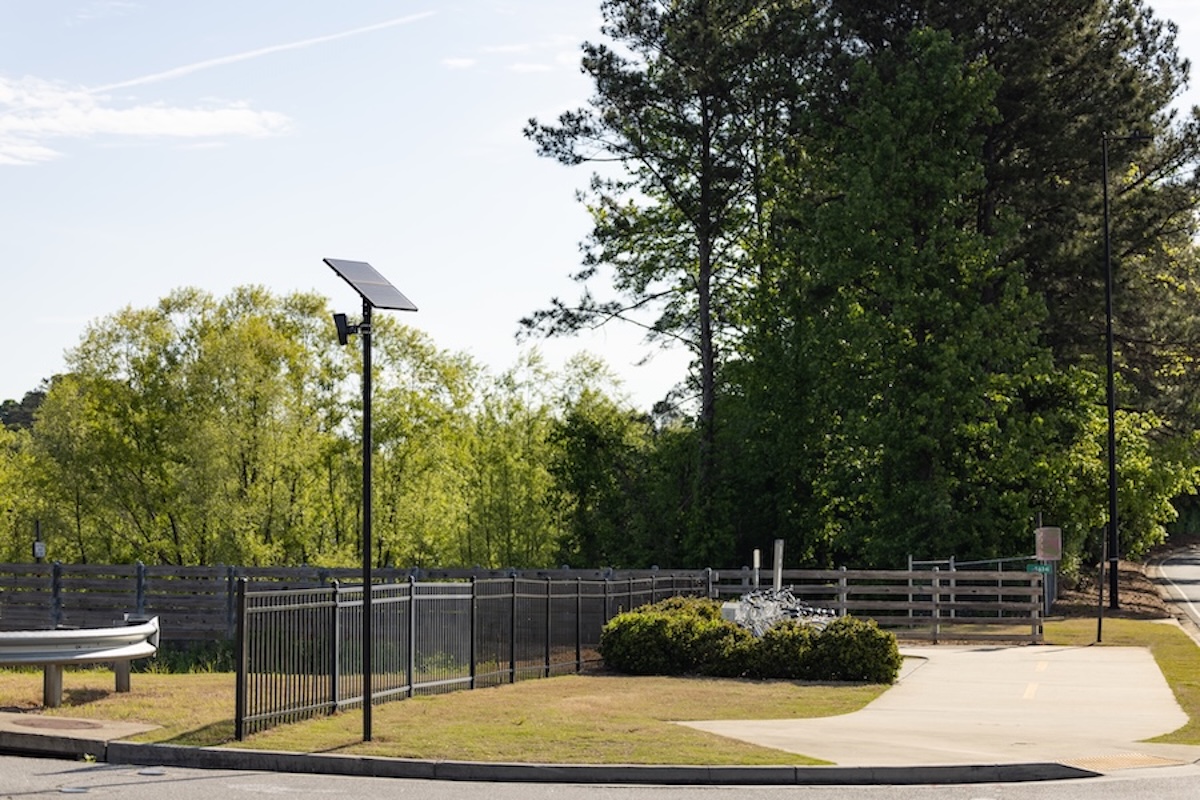
Flock has delivered more than 50 product iterations over the past eight years, including LPR Pro, with continuous updates included at no additional cost. Agencies gain access to ongoing improvements as part of the platform, rather than through a series of new purchases, paid upgrades, or hardware replacement cycles required to stay current. The platform evolves with the agency's needs, helping teams benefit from the latest capabilities without having to revisit budgets, contracts, or procurement processes year after year.
For agencies evaluating a "free" bundle, it's important to understand that long-term value is shaped by product maturity, ongoing innovation, reliable support, and the ability to deliver results year after year. The upfront price is only part of the investment. Agencies should also consider the costs of accessing future capabilities, refreshing hardware, and keeping the system current over the life of the program.
Flexibility and Control Protect Long-Term Value
This is where the real economics show up.
The first-year price is easy to compare. The harder part is understanding what happens to renewal pricing, service leverage, and future purchasing options once a system is embedded inside a closed ecosystem.
When LPR is sold as part of a broader bundled agreement, the initial discount is only one part of the decision. Future purchasing flexibility can become tied to a larger portfolio of products, contracts, and workflows. As those systems become interconnected, changing course may require agencies to navigate additional costs, operational disruption, and broader technology decisions beyond LPR itself. That dynamic can influence bargaining power, shape renewal discussions, and narrow future options when priorities evolve.
Open platforms preserve more control. They give agencies room to evaluate future solutions, work with third-party devices, and adapt as operations evolve. Flock supports open APIs, third-party camera and device integrations, and a platform approach designed to fit within a broader technology ecosystem. Shorter contract terms also give agencies more frequent opportunities to evaluate performance, reassess priorities, and make technology decisions based on current needs rather than long-term commitments made years earlier.
Flexibility delivers value throughout the life of the program. Agencies retain greater control over renewals, expansion decisions, and future technology investments without committing to extended contract cycles or broader purchasing obligations. That keeps agencies in a stronger position long after the first proposal is signed.
The Real Cost of “Free”
A free offer can look like a smart deal on paper, but over time, agencies feel the full impact of the baggage it entails.
The real cost shows up in renewal pricing, reduced leverage, vendor lock-in, punitive exit fees, continuous price increases, added complexity, and the risk of tying investigations to a system that has not yet proven itself at scale. Agencies deserve better than a short-term price play.
They deserve proven outcomes, a trustworthy partner, strong data protections, AI-driven intelligence, a turnkey deployment model, ongoing product innovation, long-term flexibility, and the reach of a national network.
Performance today and flexibility tomorrow is the real value proposition and strategy.
Find out how Flock is built for your agency and defensible to your community.


Protect What Matters Most.
Discover how communities across the country are using Flock to reduce crime and build safer neighborhoods.